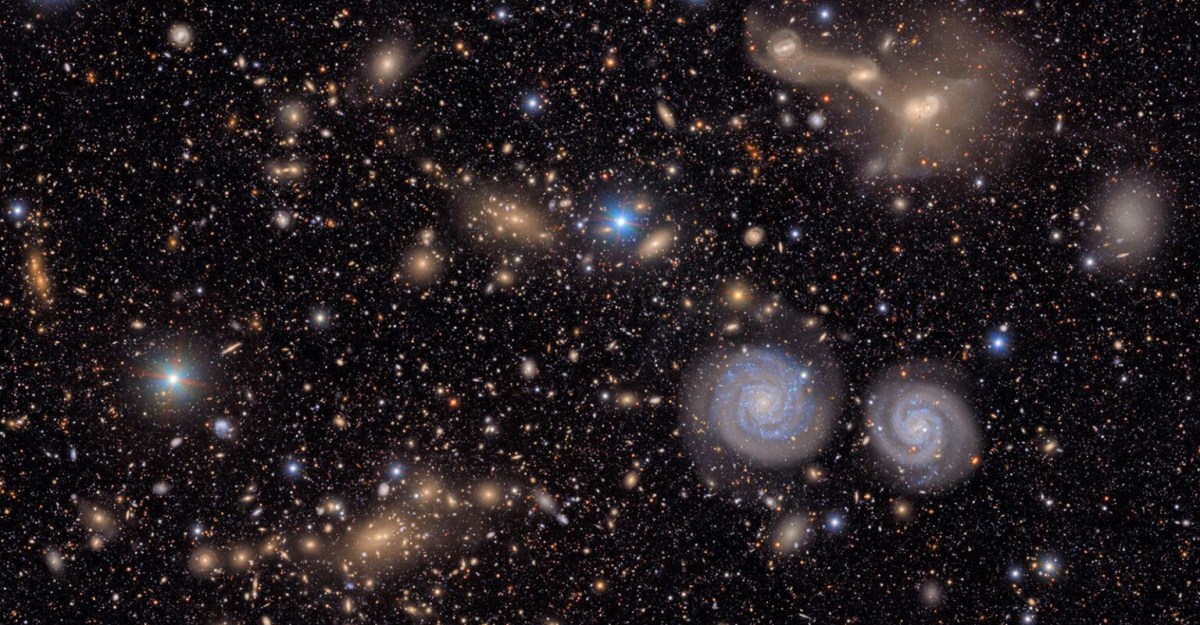
The Vera C. Rubin Observatory’s newly activated automated alert system has already made a significant impact, generating approximately 800,000 alerts on its first night. Officially launched on February 24, 2024, the system is designed to assist astronomers in identifying various celestial phenomena, including asteroids and supernovas, at an unprecedented rate.
The observatory’s Legacy Survey of Space and Time (LSST) camera, which is the size of a car, captured its first images in June 2023. Since then, anticipation has built among researchers and astronomy enthusiasts for the full deployment of the alert system. Each night, the LSST camera records around 1,000 images, comparing them against a reference image established when the telescope began operations. This process allows for the rapid identification of changes in the night sky, which can signal fleeting events worthy of further investigation.
The system’s algorithm is capable of differentiating between various types of astronomical events, including potential supernovas and near-Earth asteroids. Alerts are dispatched to interested parties within minutes, enabling scientists to respond quickly to these transient occurrences. The observatory has designed the alert system to be user-friendly, allowing researchers to filter notifications by event type, brightness, or the frequency of events. This functionality aims to prevent astronomers from becoming overwhelmed by the sheer volume of data as the observatory ramps up its discovery rate.
As the Rubin Observatory continues to operate, the number of alerts is expected to increase dramatically, potentially reaching multiple millions each night. This flood of information marks a new era for astronomical research, promising to enhance our understanding of the universe. The automated alert system holds the potential not only to accelerate scientific discovery but also to engage a wider audience in the excitement of space exploration.
Overall, the successful launch of the alert system represents a significant technological advancement in the field of astronomy, paving the way for breakthroughs in our knowledge of the cosmos.