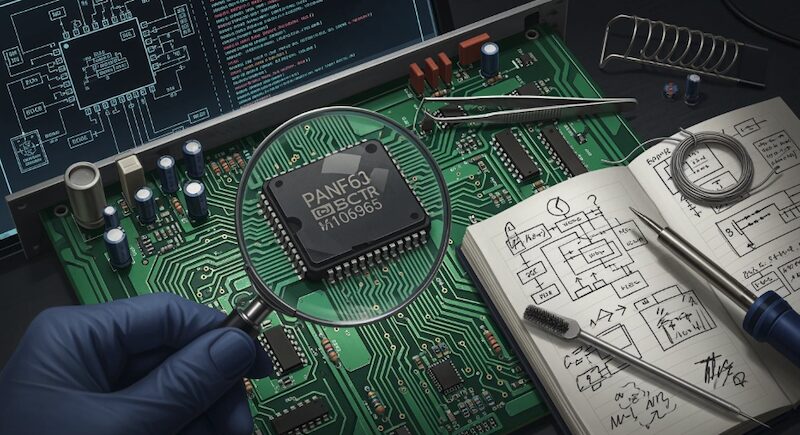
The growing trend of reverse engineering printed circuit boards (PCBs) from discontinued electronic products has gained traction among technology enthusiasts and repair communities. As more devices become unsupported, individuals are turning to these techniques to repair and enhance electronics, seeking to counteract the effects of planned obsolescence.
Many consumers face challenges when older gadgets break down or become obsolete. With manufacturers often ceasing support for legacy products, users frequently find themselves with devices they can no longer maintain. This has prompted a surge in interest in reverse engineering methods to extend the life of these products. By analyzing and replicating circuit board layouts, users can identify faults and implement repairs, effectively breathing new life into aging technology.
Understanding Reverse Engineering and Its Benefits
Reverse engineering involves dissecting electronic devices to understand their design and functionality. This process often includes examining the PCB and integrated circuits (ICs) to uncover how the components interact. Knowledge gained through reverse engineering allows users to replace damaged parts, modify existing designs, and even create upgrades for older products.
One of the primary motivations behind this practice is the desire to combat planned obsolescence, a strategy where manufacturers design products to have a limited lifespan. Many individuals believe in the principle of sustainability and wish to reduce electronic waste. By repairing and upgrading their devices, they contribute to a more environmentally friendly approach to technology consumption.
Repair communities and forums have become key platforms for sharing knowledge and techniques related to PCB reverse engineering. These groups provide valuable resources, from instructional videos to detailed guides on specific products. As of 2023, the community has expanded significantly, with members collaborating globally to share their findings and improve repair techniques.
Challenges and Considerations in Reverse Engineering
While reverse engineering offers numerous benefits, it is not without its challenges. Legal and ethical considerations often arise, particularly regarding copyright and intellectual property rights. Users must navigate these complexities carefully, particularly when distributing designs or modifications based on their findings.
Additionally, reverse engineering can require a significant investment in time and resources. Individuals need access to specialized tools, such as software for circuit analysis and hardware for physical disassembly. The learning curve can be steep, deterring some potential hobbyists from pursuing this path.
Despite these obstacles, the rewards can be substantial. Successfully repairing a discontinued device not only saves money but also fosters a sense of accomplishment. It can also contribute to a growing movement advocating for the right to repair, which seeks to empower consumers to maintain and modify their products.
The resurgence of interest in reverse engineering discontinued electronic products illustrates a broader shift in consumer attitudes towards technology. As more people embrace sustainability and seek to maximize the lifespan of their devices, the role of PCB reverse engineering is likely to become increasingly significant. This trend not only reflects a desire to combat waste but also highlights the importance of community and shared knowledge in the tech world.
In conclusion, the practice of reverse engineering PCBs from older electronics is more than a hobby; it represents a movement towards sustainability and consumer empowerment. By understanding and utilizing these techniques, individuals can play a crucial role in extending the life of their devices and challenging the culture of planned obsolescence.