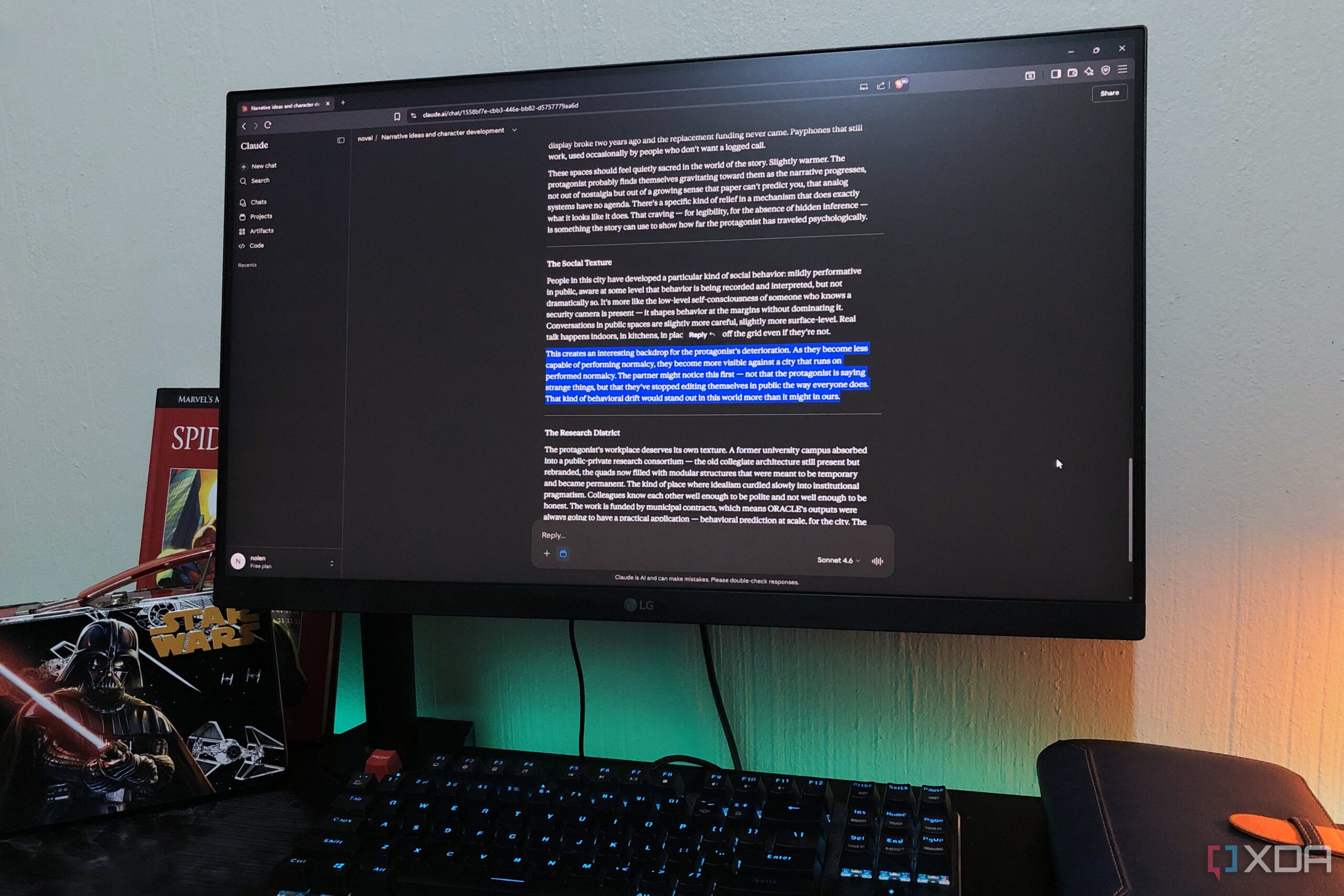
The latest comparisons of note-taking tools reveal that while NotebookLM excels in structured environments, Claude proves more effective in managing disorganized notes. Users have highlighted that NotebookLM performs exceptionally well when provided with a well-organized collection of documents, links, or notes.
When users input structured and comprehensive materials, NotebookLM quickly synthesizes the information, creating summaries and mind maps that enhance understanding. This capability makes it a powerful ally for researchers and students who rely on clear and concise information retrieval.
Strengths of NotebookLM and Claude
Despite its strengths, NotebookLM encounters challenges when dealing with scattered or incomplete sources. Users report that the tool struggles to deliver coherent outputs in cases where notes are messy or contain unfinished drafts from various projects. In such scenarios, the overall user experience can diminish, leading to frustration.
On the other hand, Claude appears to outperform NotebookLM in handling disorganized notes. Its design allows it to interpret context and extract relevant insights, even when the provided information is not neatly arranged. This adaptability makes Claude a preferable choice for individuals who often work with diverse and unstructured content.
User Experiences and Preferences
Feedback from users indicates that the choice between these tools often depends on the specific needs of the project. For tasks that require rigorous organization and detail, NotebookLM remains a top contender. However, for projects involving a mix of ideas or rough notes, Claude stands out for its ability to provide relevant information without requiring meticulous preparation.
In the rapidly evolving landscape of research tools, both NotebookLM and Claude serve distinct purposes. Users are advised to assess their specific requirements before choosing a tool, ensuring that they maximize efficiency and productivity in their research efforts.
As of October 2023, the competition between these two platforms continues to shape the way individuals approach note-taking and information synthesis, reflecting broader trends in technology’s role in education and research.