The Newberry Library in Chicago has been awarded $4 million by the Mellon Foundation to enhance access to Indigenous languages, many of which are at serious risk of extinction. This funding will significantly support efforts to digitize the library’s extensive collection, which includes approximately 2,400 items related to over 300 Indigenous languages. Currently, a limited portion of this collection is available online, creating challenges for tribal nations and researchers focused on language preservation.
One primary objective of the grant is to increase the number of language-related materials accessible on the Newberry’s website. According to Rose Miron, the library’s vice president for research and education, these resources are crucial for tribal nations engaged in revitalization projects. “This grant includes the full digitization of that Indigenous languages collection,” Miron noted, emphasizing the importance of these materials in supporting Indigenous communities.
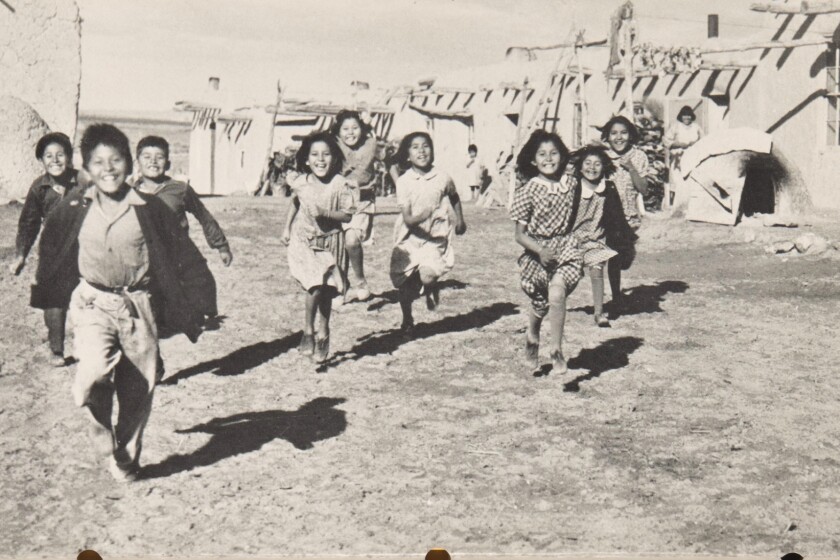
The urgency of preserving Indigenous languages has been described as a state of emergency. Historical assimilation efforts, particularly through Native American boarding schools in the 19th and 20th centuries, severely impacted language transmission. Miron explained, “One of the biggest losses of those schools was the damage that was done to Indigenous languages because children were literally being punished for speaking their own languages.”
As various tribal nations strive to revive their languages, the Newberry’s collection offers vital documentation. Miron highlighted that many tribes lack fluent speakers, making these historical documents essential for linguists working to restore the languages. The library’s holdings include religious texts translated by missionaries and materials from boarding schools, such as documents rendered into Dakota.
“All of these materials provide an important connection to the past and an important connection to ancestors,” Miron stated. She described the emotional impact on individuals who discover items tied to their heritage, expressing that many have “wept upon seeing something that is related to their family or community that they’ve never seen before.”
In addition to digitization efforts, the Mellon funding will facilitate the hiring of three new staff members, including a dedicated librarian for the Indigenous collection. The resources will also support fellowships for tribal members, funding travel for tribal representatives to visit the collection, and for librarians to engage with tribal communities. Over half of the funds are designated to directly benefit tribal nations.
Miron emphasized the library’s commitment to respecting tribal sovereignty, stating, “We fundamentally believe that tribal nations are the best representatives of their own history.” This ethos includes openness to repatriating items within the collection when appropriate.
The Indigenous collection at Newberry has its roots in a donation made in 1911 by businessman Edward E. Ayer, an avid collector of Indigenous materials. The library has since expanded its holdings, with a recent focus on prioritizing materials created by Native individuals rather than solely those about them.
This latest round of funding extends a previous planning grant received in 2020, which contributed to the development of the “Indigenous Chicago” project. This initiative aims to provide resources about both historical and contemporary Indigenous communities in Chicago, including interactive online maps that present the city’s history from Native perspectives.
The Newberry’s efforts align with broader local initiatives to acknowledge and celebrate Indigenous culture, such as a partnership between the American Indian Center of Chicago and the Forest Preserve of Kane County that has reintroduced a bison herd to local tallgrass prairie lands for the first time in two centuries.
Miron acknowledged the historical role of institutions like Newberry in perpetuating harm to Indigenous people and expressed a commitment to rectifying these past injustices. “As an institution that has benefited from colonialism, I really see it as our job to try to undo some of that harm and to really return control to tribal nations,” she remarked.
Work funded by the grant is set to begin immediately and will continue through December 2030, marking a significant step toward preserving and revitalizing Indigenous languages for future generations.