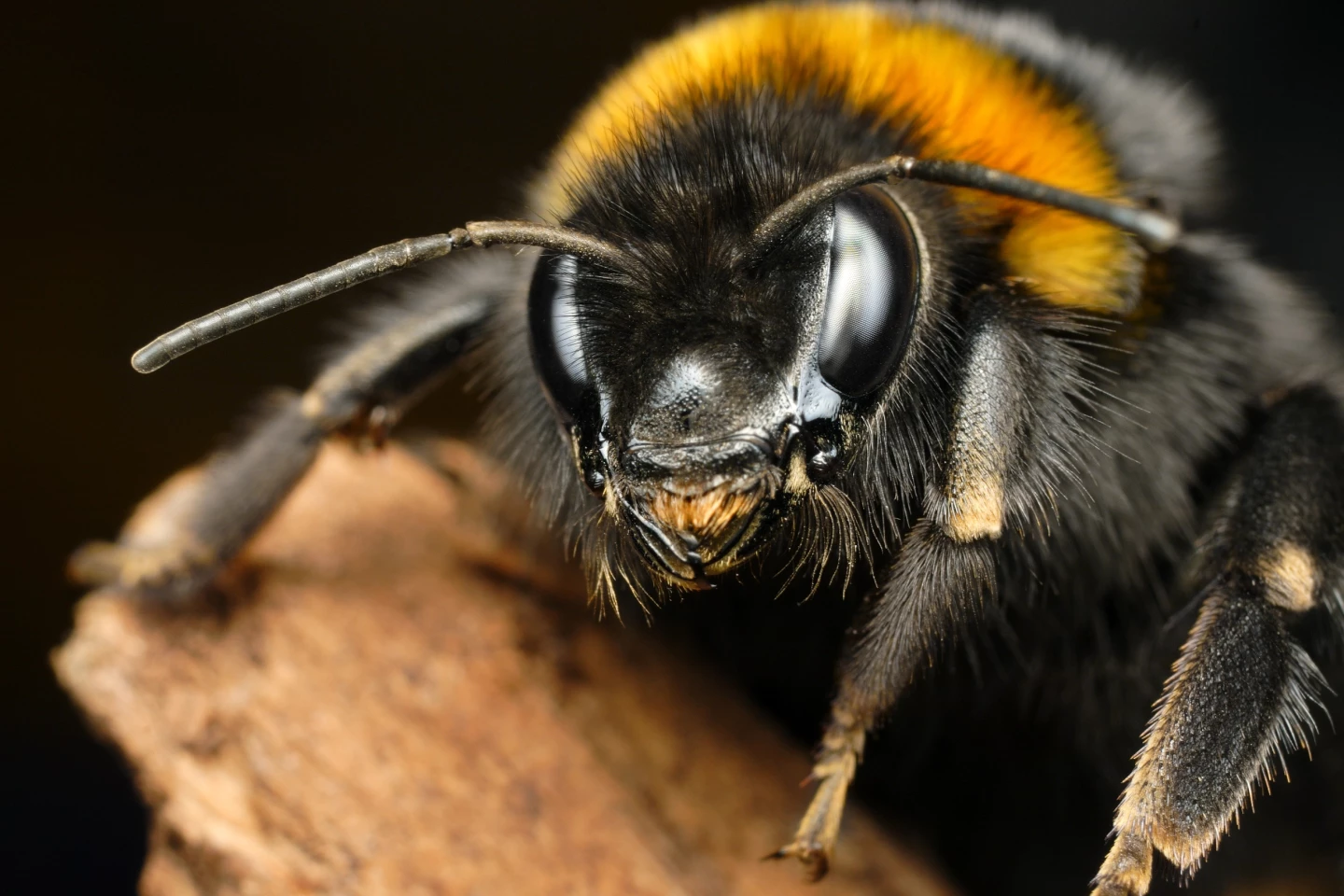
Research suggests that bumblebees are not only charming pollinators but also exhibit complex social behaviors previously overlooked. A study conducted by researchers at Southern Medical University highlights the surprising role of positivity among these insects, shedding light on their communication methods and social interactions.
The study, published in March 2024, reveals that bumblebees can spread positive behaviors through their interactions. This finding challenges the conventional perception of these bees as simple creatures. By observing their foraging patterns, researchers noted that individual bees influenced the behavior of their peers, leading to a collective increase in productivity.
Dr. Emily Zhang, a leading researcher on the team, stated, “Our observations indicate that bumblebees communicate not just through pheromones but also through their actions. When one bee exhibits a positive foraging behavior, it can encourage others to follow suit.” This discovery opens new avenues for understanding social dynamics among insects and their impact on ecosystems.
The research team conducted experiments in various environments to assess how bumblebees responded to both positive and negative cues. In controlled settings, bees exposed to a positive foraging model were more inclined to explore new flowers and increase their nectar collection. Conversely, exposure to negative behaviors resulted in decreased activity levels.
This study is significant as it not only highlights the cognitive abilities of bumblebees but also raises questions about their role in ecological health. Given that bumblebees are vital pollinators, understanding their social interactions may have broader implications for agriculture and conservation efforts.
The findings emphasize the importance of preserving bumblebee habitats, particularly as their populations face threats from habitat loss and pesticides. As such, conservationists are advocating for more initiatives aimed at protecting these essential pollinators.
Overall, this research underscores the intricate social behavior of bumblebees, revealing that beneath their fuzzy exterior lies a complex network of communication and interaction. As scientists continue to study these remarkable insects, it becomes increasingly clear that understanding their social dynamics is crucial for their survival and the health of our ecosystems.