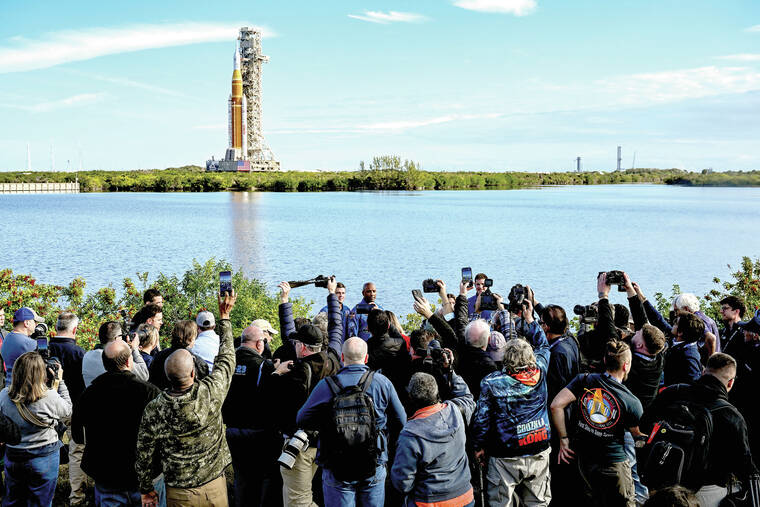
NASA successfully completed a critical countdown rehearsal for the Artemis II moon mission on Thursday night, marking a significant step forward in its plans to return to lunar exploration. During the rehearsal at the Kennedy Space Center in Florida, the agency encountered minor issues, but overall the test was a marked improvement from a previous attempt that was halted due to hydrogen leaks.
Countdown Progress and Future Launch Plans
During the nearly flawless rehearsal, NASA filled the giant Space Launch System (SLS) rocket’s tanks with millions of pounds of liquid hydrogen and liquid oxygen. This rehearsal is crucial as it prepares for a potential launch attempt on March 6, 2024, with additional opportunities available on March 7, 8, 9, and 11. If these dates are missed, the agency will look to April for the next launch window.
The excitement surrounding Artemis II is palpable, according to Lori Glaze, the acting associate administrator for NASA’s exploration systems development mission directorate. She noted that the crew of four, which includes three NASA astronauts and one from the Canadian Space Agency, will enter quarantine on Thursday as a precautionary measure to ensure their health before the mission.
“Proud of the @NASA team as this was a big step toward America’s return to the lunar environment,” tweeted Jared Isaacman, the NASA administrator, emphasizing the significance of the rehearsal.
Technical Challenges and Achievements
While the rehearsal showcased significant progress, it was not without its challenges. The earlier countdown attempt was cut short due to hydrogen leaks at the interface between the rocket and the launchpad. These leaks are particularly problematic as hydrogen is the lightest element and can escape easily due to its small molecular size. During the recent rehearsal, technicians addressed these issues by replacing seals at the junction, which proved effective as no significant leakage was reported.
“Really no leakage to speak of,” said Charlie Blackwell-Thompson, the launch director, noting that hydrogen concentrations remained well below the acceptable limit during the test.
Minor complications arose during the countdown, including a communication issue in the launch control center and a brief voltage anomaly. However, these issues did not prevent the rehearsal from reaching its conclusion. The countdown paused at 90 seconds but resumed and concluded successfully with 29 seconds remaining.
This rehearsal also included a reset of the countdown clock to practice addressing last-minute problems without scrapping the attempt entirely. The reset process, which involved replenishing the rocket’s propellant tanks, was completed in less than an hour, further demonstrating the team’s preparedness.
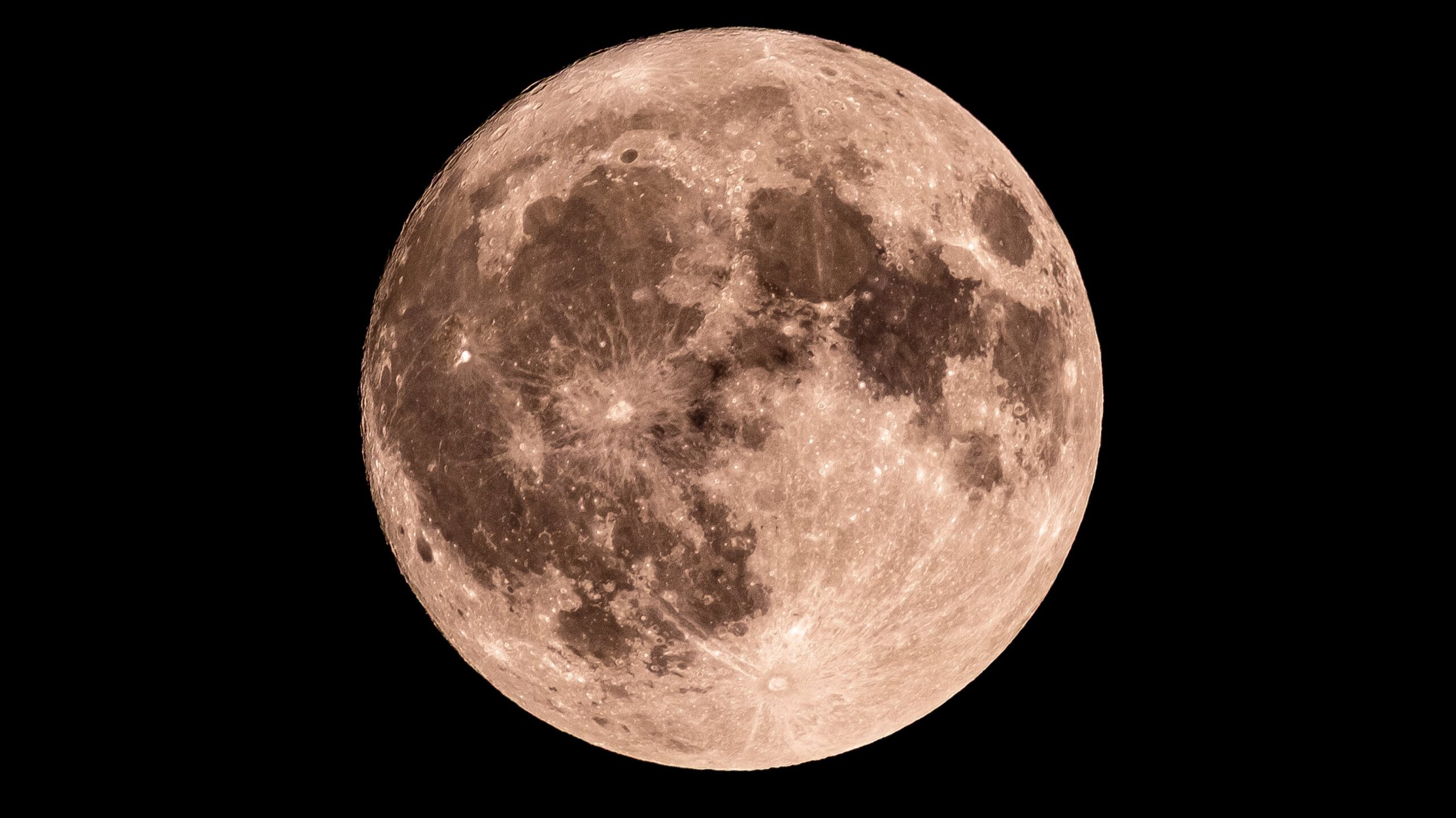
As the Artemis II mission gears up for its ambitious goal of sending astronauts on a 10-day journey around the moon, it represents the first time humans will leave low-Earth orbit since the end of NASA’s Apollo program over 50 years ago. While the crew will not land on the moon, their mission will pave the way for future lunar exploration.
The countdown test concluded during a busy evening at Florida’s spaceports, as a nearby SpaceX Falcon 9 rocket successfully launched from the Cape Canaveral Space Force Station, delivering a payload of Starlink satellites to orbit.
With the successful rehearsal behind them, NASA officials are optimistic that the upcoming data review will confirm readiness for launch, keeping the momentum toward Artemis II firmly on track.