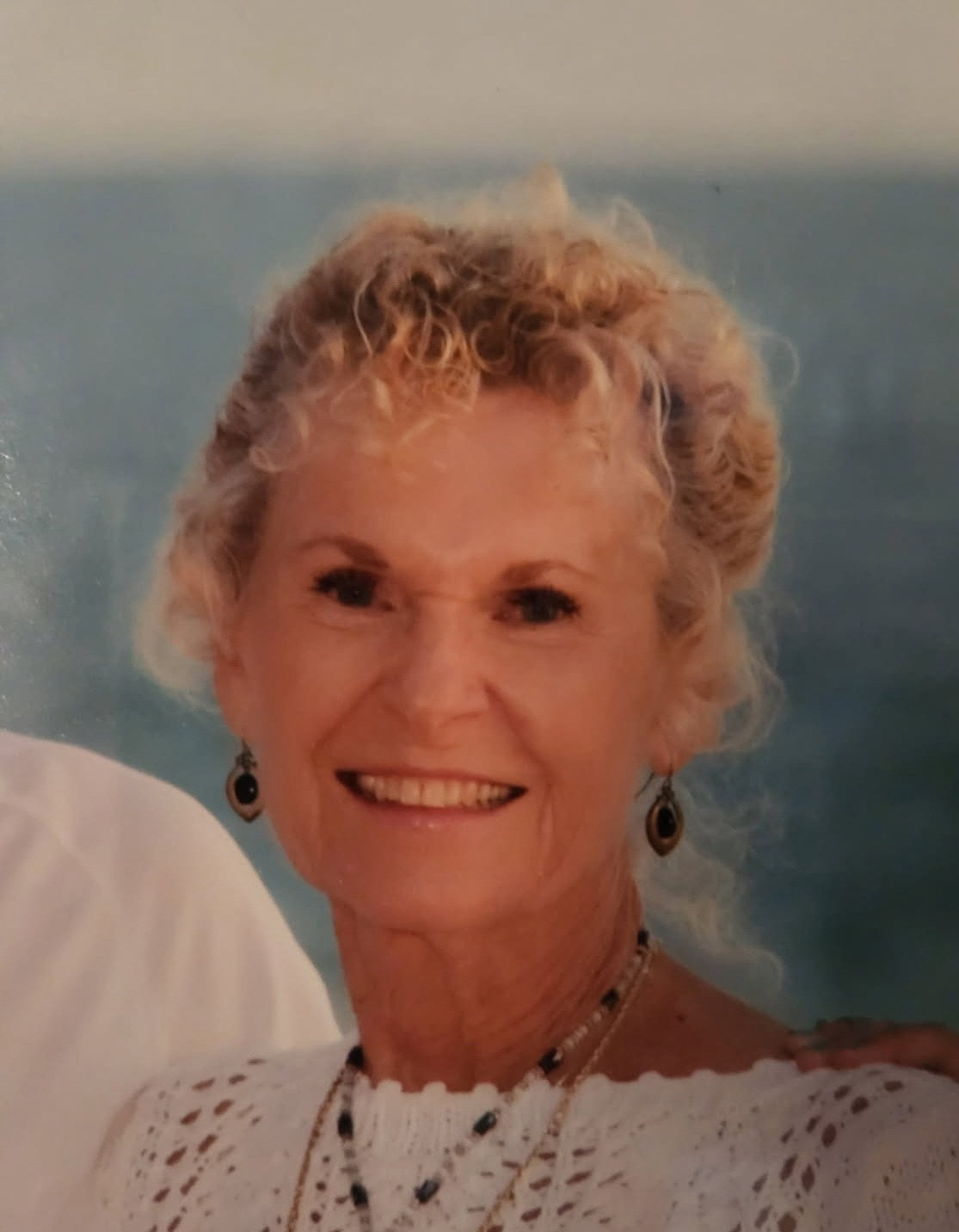
Michaela Benthaus, a 33-year-old aerospace and mechatronics engineer from Germany, made history on Saturday by becoming the first wheelchair user to travel beyond the Kármán Line, the widely recognized boundary of outer space located at an altitude of 100 kilometers (about 62 miles) above sea level. Her groundbreaking journey took place aboard the Blue Origin New Shepard capsule, which launched from the company’s facilities near Van Horn, Texas.
The mission, designated NS-37, marks the 16th suborbital space tourism flight conducted by Blue Origin, a company founded by Jeff Bezos in 2000 with the goal of making space accessible to a wider audience, including those who do not fit the traditional astronaut profile. Prior to the flight, Benthaus expressed her long-held dream of traveling to space, yet she initially doubted that it would be possible due to her spinal cord injury sustained in a 2018 mountain biking accident.
Overcoming Challenges and Embracing Adventure
“I always wanted to go to space, but I never really considered it something which I could actually do,” Benthaus shared in an interview. She reflected on her previous assumptions regarding who could become an astronaut, stating, “Maybe space is for people who have an amputated leg but still can walk a little bit…Maybe having a spinal cord injury is way too disabled.”
Despite these doubts, Benthaus’s passion for engineering and research in the field of aerospace grew following her injury. This enthusiasm culminated in her participation in the New Shepard mission, which lasted approximately 10 minutes. During the flight, the rocket accelerated to speeds exceeding three times the speed of sound, allowing Benthaus and her fellow crew members to experience weightlessness as they crossed the Kármán Line.
To prepare for her experience in microgravity, Benthaus planned to use a special strap to secure her legs while she exited her seat to appreciate the unique view of Earth from the capsule’s window. Having previously experienced microgravity during a parabolic training flight, she anticipated finding joy in the breathtaking scenery rather than performing acrobatic maneuvers.
Future Impacts and Research Initiatives
Benthaus aims to leverage her experience to enhance the journey for future passengers with similar mobility challenges. She mentioned her intention to evaluate the effectiveness of the leg strap and identify potential improvements for the future. “I want to see how this leg strap works — and if not, what could maybe be improved in the future,” she stated.
As part of her mission, Benthaus collaborated with Hans Koenigsmann, a former executive at SpaceX and a personal friend, who accompanied her on the flight. Koenigsmann received training to provide assistance if necessary, ensuring that Benthaus felt supported throughout the experience.
In addition to her personal journey, Benthaus is raising funds for Wings for Life, a nonprofit organization dedicated to spinal cord injury research. Her historic flight not only marks a significant milestone for inclusivity in space travel but also paves the way for advancements in understanding and addressing spinal cord injuries.
Benthaus’s remarkable accomplishment serves as an inspiration, demonstrating that dreams of space exploration can be realized, regardless of physical limitations. Her journey underscores the importance of expanding access to space for all individuals, promoting a more inclusive future in aerospace.