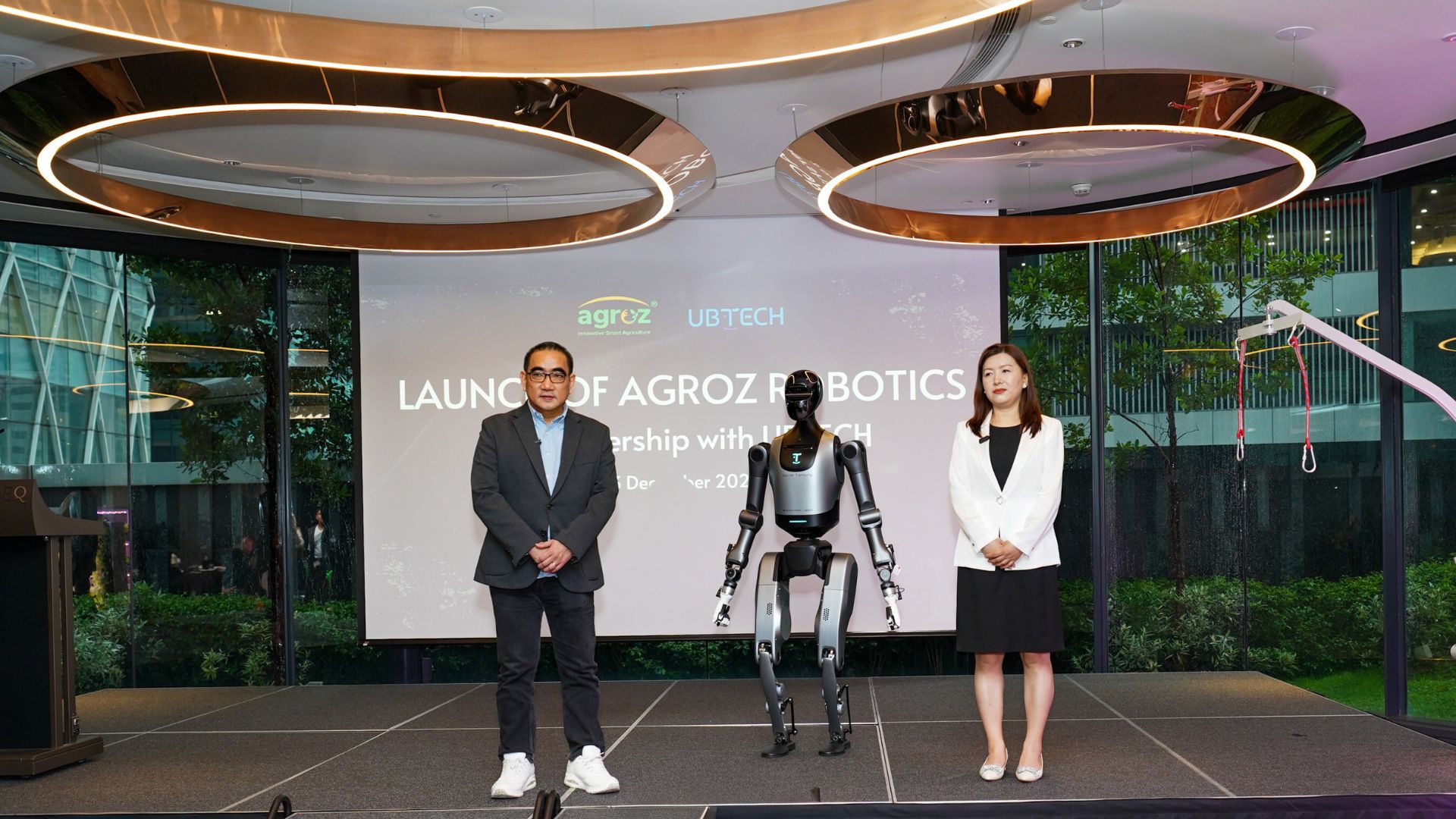
A Malaysian agricultural technology firm has announced a groundbreaking partnership with UBTECH Robotics, a leader in the development of humanoid robots. This collaboration aims to integrate advanced robotics into the country’s vertical farming sector, enhancing efficiency and sustainability in agricultural practices.
The initiative marks a significant step for Malaysia as it seeks to modernize its agricultural landscape. By incorporating humanoid robots, the project aims to optimize farming processes, increase productivity, and reduce labor costs. Vertical farming, which allows for the cultivation of crops in stacked layers, is gaining traction as a solution to urban farming challenges and food security concerns.
UBTECH Robotics is renowned for its innovative technology and commitment to artificial intelligence. By leveraging its expertise, the partnership is poised to provide Malaysian farmers with advanced tools for planting, monitoring, and harvesting crops. This development is particularly relevant given the growing global interest in sustainable agriculture and the increasing pressures of urbanization.
Transforming Agriculture with Technology
The integration of humanoid robots into farming operations could revolutionize how crops are cultivated. These robots are designed to perform a variety of tasks, including planting seeds, watering plants, and even harvesting produce. The technology is expected to not only enhance productivity but also ensure consistent quality in crop production.
According to industry experts, the use of robots in agriculture is becoming increasingly essential as labor shortages become more prevalent. By automating routine tasks, farmers can focus on strategic decision-making and other critical aspects of their operations. This shift could lead to substantial increases in crop yields, essential for meeting the demands of a growing population.
The Malaysian government has actively supported initiatives aimed at improving agricultural technology. By collaborating with UBTECH Robotics, local farmers are expected to benefit from cutting-edge innovations that align with national objectives for sustainable development. This partnership could serve as a model for other countries looking to enhance their agricultural sectors through technology.
Looking Ahead: Future Implications
As the project progresses, stakeholders are optimistic about the potential impact on Malaysia’s food security and economic growth. The introduction of humanoid robots in vertical farming could help the country become a leader in agricultural technology within the region. The initiative also aligns with global trends emphasizing the importance of sustainable practices in food production.
With the pilot program expected to launch in early 2024, farmers and agricultural experts will closely monitor its outcomes. The success of this partnership could pave the way for further advancements in agricultural technology, not only in Malaysia but also in other nations facing similar challenges.
As the world continues to grapple with the effects of climate change and urbanization, the use of humanoid robots in farming could represent a pivotal shift towards more efficient and sustainable agricultural practices. The collaboration between Malaysia and UBTECH Robotics is a promising step in that direction, heralding a new era for farming in the digital age.