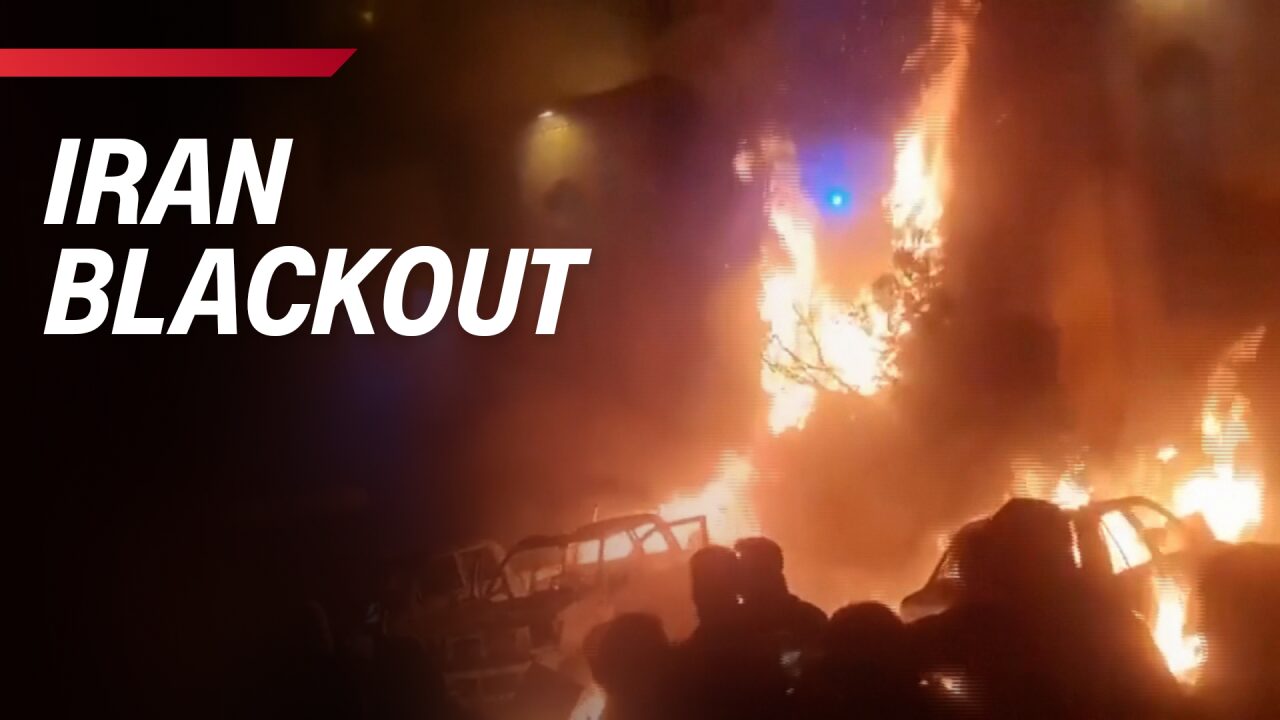
Protests in Iran have entered a new phase, coinciding with a government-imposed internet blackout that has now lasted over 36 hours. These demonstrations, which began on December 28, 2023, are fueled by widespread dissatisfaction with rising inflation and discontent toward the conservative leadership. The unrest has prompted the son of Iran’s last shah, Reza Pahlavi, to call for a nationwide strike aimed at key economic sectors.
In a video posted on social media platform X, Pahlavi urged “workers and employees in key sectors of the economy — especially transportation, oil and gas, and energy — to begin a nationwide strike” starting from Saturday, the beginning of the workweek in Iran. His appeal comes at a time when authorities have restricted internet access across the country to curb the flow of information during the protests.
Pahlavi encouraged citizens to take to the streets with flags and national symbols, urging them to reclaim public spaces. He stated, “The goal is to prepare to seize city centers and hold them.” He claimed that the protests on Friday conveyed a significant message to the Iranian leadership, though it remains unclear how much support he holds within the country. Born in 1960, Pahlavi was only 16 when the 1979 Islamic Revolution led to the ousting of his father, Shah Mohammad Reza Pahlavi, after a 40-year reign.
As these events unfold, the internet blackout continues to affect millions. According to the digital rights watchdog NetBlocks, the cutoff started on Thursday following widespread protests in Tehran. By 11:30 PM ET on Saturday, the organization confirmed that the blackout had persisted for more than 36 hours, significantly hampering the ability of Iranians to communicate and check on the safety of loved ones.
The ongoing protests are a culmination of frustrations that have been simmering for years, coming to a head against a backdrop of economic hardship and perceived governmental repression. Demonstrators have expressed their anger not only over inflation but also against the violent security response to their grievances.
As the situation develops, the international community watches closely, with human rights organizations emphasizing the need for the Iranian government to restore internet access and respect citizens’ rights to assembly and expression. The coming days will likely be crucial in determining the trajectory of both the protests and the government’s response.