A new environmental monitoring project led by azwankhairul345 demonstrates a cost-effective approach to collecting data about the environment using readily available technology and recycled materials. The project highlights how advancements in sensors and computing have simplified the process, leaving the challenge of packaging and deployment.
The core of this innovative monitor centers around the Raspberry Pi Pico W, which provides both the necessary processing power and connectivity for environmental data collection. A large power bank battery powers the device, allowing it to operate effectively in various conditions. Off-the-shelf sensors that measure magnetic fields, air quality, temperature, and humidity are easily sourced, making the project accessible for enthusiasts and researchers alike.
Design and Functionality
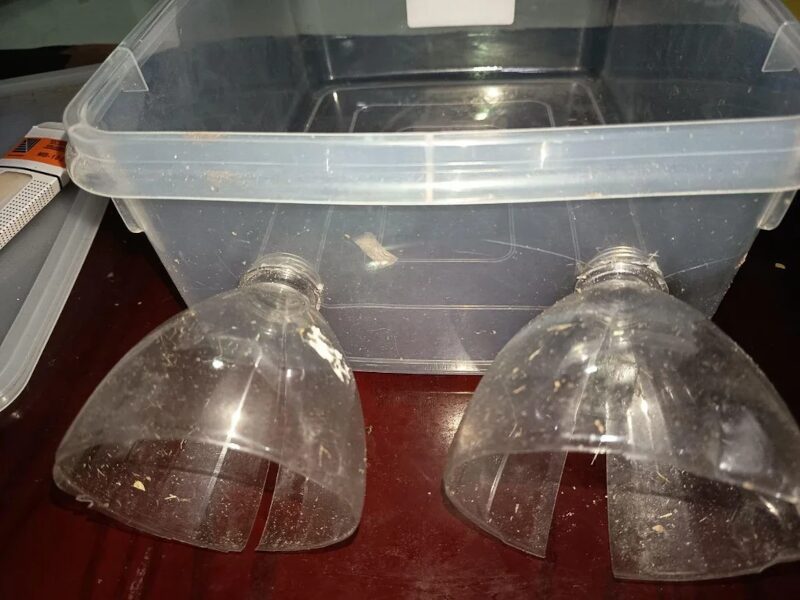
The environmental monitor is housed in a recycled plastic container, which offers protection while adhering to sustainability principles. The design incorporates PVC pipes and plastic covers for the sensors, cleverly repurposing materials that might otherwise contribute to waste. Notably, the covers resemble the tops of drink bottles, showcasing an inventive use of everyday items.
Despite its innovative design, the device has limitations. The internal battery bank does not support recharging, which restricts its operational period to approximately two days before maintenance is required. Depending on specific monitoring needs, users may need to consider alternative power solutions to ensure continuous data collection.
While this project may not match the performance of more traditional monitoring equipment, such as those utilizing a Hoffman box-style container, it offers a promising direction for future environmental monitoring efforts. Various sealing techniques can enhance the durability and effectiveness of such devices, further expanding their potential applications.
As environmental concerns continue to grow, projects like this demonstrate how affordable technology can facilitate effective monitoring and data collection. By leveraging recycled materials and existing technology, the initiative encourages a more sustainable approach to environmental science.