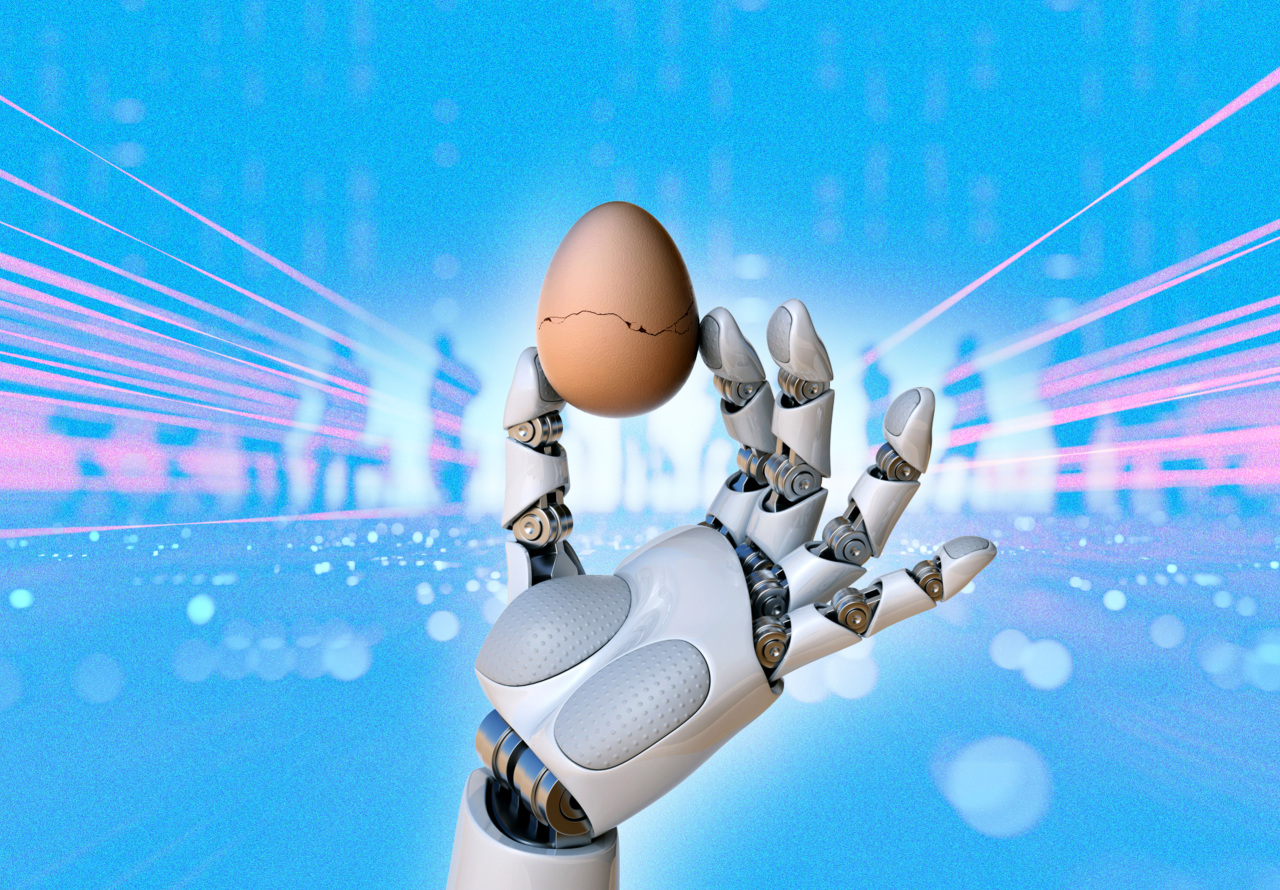
The development of humanoid robots is poised to create a market worth an estimated $5 trillion in the coming years, according to a report by the Boston Consulting Group published in 2023. This projection highlights the potential for significant advancements in robotics, though experts emphasize that substantial improvements are necessary before realizing this vision.
The rise of humanoid robots represents a significant shift in technology, driven by advancements in artificial intelligence, machine learning, and robotics. These robots are designed to replicate human movements and interactions, making them suitable for various applications, including healthcare, education, and customer service. However, while the forecasted market growth is substantial, the journey to widespread adoption is expected to take considerable time.
Challenges Ahead for Humanoid Robot Adoption
Despite the optimistic market predictions, several hurdles must be addressed. Current humanoid robots face limitations in agility, adaptability, and social interaction. According to the Boston Consulting Group, achieving the necessary level of functionality and reliability requires ongoing research and development efforts. This includes enhancing their ability to navigate complex environments and respond effectively to human emotions.
Furthermore, public acceptance plays a critical role in the integration of humanoid robots into daily life. Many individuals harbor concerns about safety, privacy, and the potential for job displacement. As a result, manufacturers and developers must focus on building trust and demonstrating the benefits of these technologies to mitigate apprehensions.
Investment in humanoid robotics is already gaining traction. Companies like Tesla and Boston Dynamics are at the forefront, working to refine their designs and functionalities. Tesla’s Optimus robot, for instance, aims to assist in manufacturing and potentially in household tasks, showcasing how humanoid robots could enhance productivity across various sectors.
The Path Forward: A Long-Term Vision
Experts agree that the market for humanoid robots will evolve gradually. The Boston Consulting Group’s report indicates that the transition to a $5 trillion market will likely span over a decade or more, depending on technological breakthroughs and societal acceptance. As the technology matures, the focus will shift from mere attraction to practical utility.
The implications of widespread humanoid robot adoption could be transformative across numerous industries. In healthcare, for example, robots could assist with patient care, providing companionship and support. In education, they could serve as tutors or learning aids, enhancing the educational experience for students.
As research continues and investments increase, the future of humanoid robots looks promising. However, stakeholders must remain cognizant of the challenges and work collaboratively to address them. Ultimately, the journey toward a humanoid robot revolution requires patience, innovation, and a commitment to ethical considerations.
In summary, while the potential market for humanoid robots is immense, the timeline for their integration into society is lengthy. Stakeholders must navigate technological advancements and public perceptions to pave the way for a future where humanoid robots can thrive and contribute meaningfully to various aspects of life.