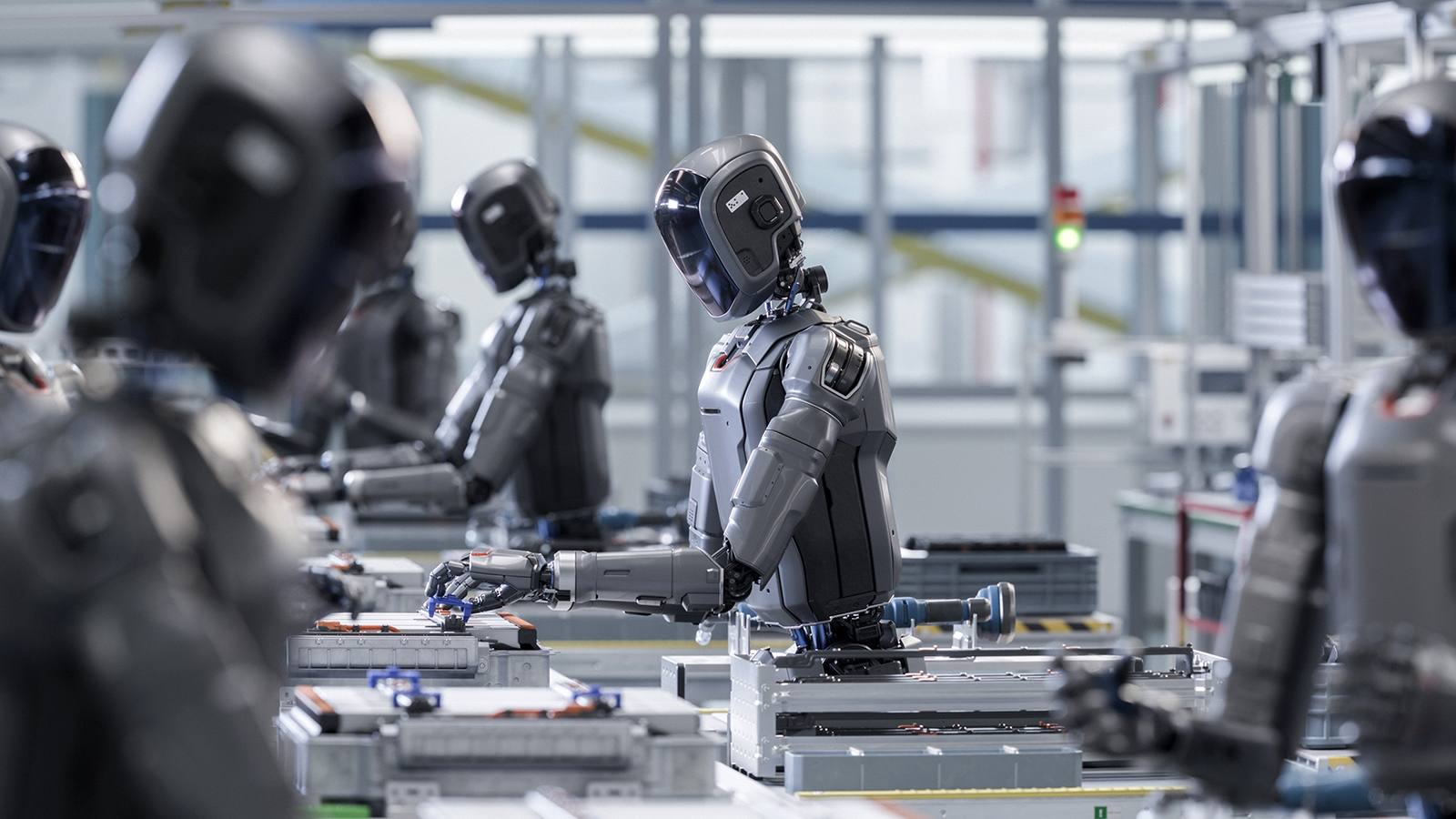
Humanoid robots are transitioning from theoretical concepts to practical applications in various sectors. These advanced machines, designed to resemble the human body and mimic certain human abilities, are increasingly being tested in homes, workplaces, and public spaces. Recent developments in artificial intelligence (AI), machine learning, and robotic hardware are enabling these technologies to assist in environments previously thought to be exclusively human domains.
Engineers focus on creating humanoid robots with arms, legs, and sophisticated sensors that facilitate interaction in human-centric environments. Unlike traditional industrial robots, which typically operate in isolated settings, humanoid robots aim to collaborate with humans in real-world applications. Their humanlike structure allows them to perform tasks such as opening doors, using tools, and engaging with human operators.
Technological Advancements Fueling Humanoid Robotics
The design of most humanoid robots follows the basic anatomy of humans, featuring a torso, head, and bipedal legs that enable fluid movement. These robots are equipped with advanced mechanical components and motors, granting them multiple degrees of freedom. This capability enhances their dexterity, allowing them to complete complex tasks that require human-like precision.
To navigate and perform tasks effectively, modern humanoid robots rely heavily on AI. Advanced AI models empower these machines to comprehend their surroundings, track objects, and plan actions. Developers utilize machine learning techniques, such as imitation learning and reinforcement learning, to teach robots new skills through observation and experimentation. This learning process is supported by data pipelines and control systems that allow for real-time responses based on sensory input.
Industry leaders and research institutions are actively developing humanoid robotics platforms. For instance, Boston Dynamics has pioneered agile robots capable of traversing challenging terrains. Agility Robotics has introduced the Digit robot, designed for tasks like package delivery and warehouse operations. Meanwhile, Pal Robotics focuses on humanoid service robots that serve as development platforms for further research. Other notable companies include SoftBank Robotics, Hanson Robotics, and Engineered Arts, which are innovating in the fields of social robotics and customer service.
Potential Applications and Future Outlook
Humanoid robots are increasingly capable of performing manual tasks that traditionally required human labor. Their robotic arms and motor controls enable them to manipulate tools and handle objects effectively. Developers are training these robots to assist with household chores such as cleaning and organizing, while in industrial environments, they may aid human workers in assembling parts, transporting materials, or monitoring equipment.
Remote control systems also allow human operators to guide these machines, providing mobility and strength in hazardous or inaccessible locations. Many experts anticipate that the first wave of humanoid robots will appear in workplaces grappling with labor shortages. These robots could help fulfill repetitive or physically demanding roles alongside human employees.
Ongoing research aims to enhance robots’ balance, autonomous navigation, and humanlike motion, enabling them to function in a variety of settings. Improvements in dexterity and machine perception are expected to facilitate more natural interactions between robots and people. Although fully autonomous humanoid robots remain in the early stages of development, studies published in reputable platforms like IEEE Spectrum indicate significant advancements.
As AI technology continues to evolve, humanoid robots could become valuable assistants in homes, hospitals, and workplaces worldwide. The journey from science fiction to functional reality reflects the rapid pace of innovation in this exciting field.