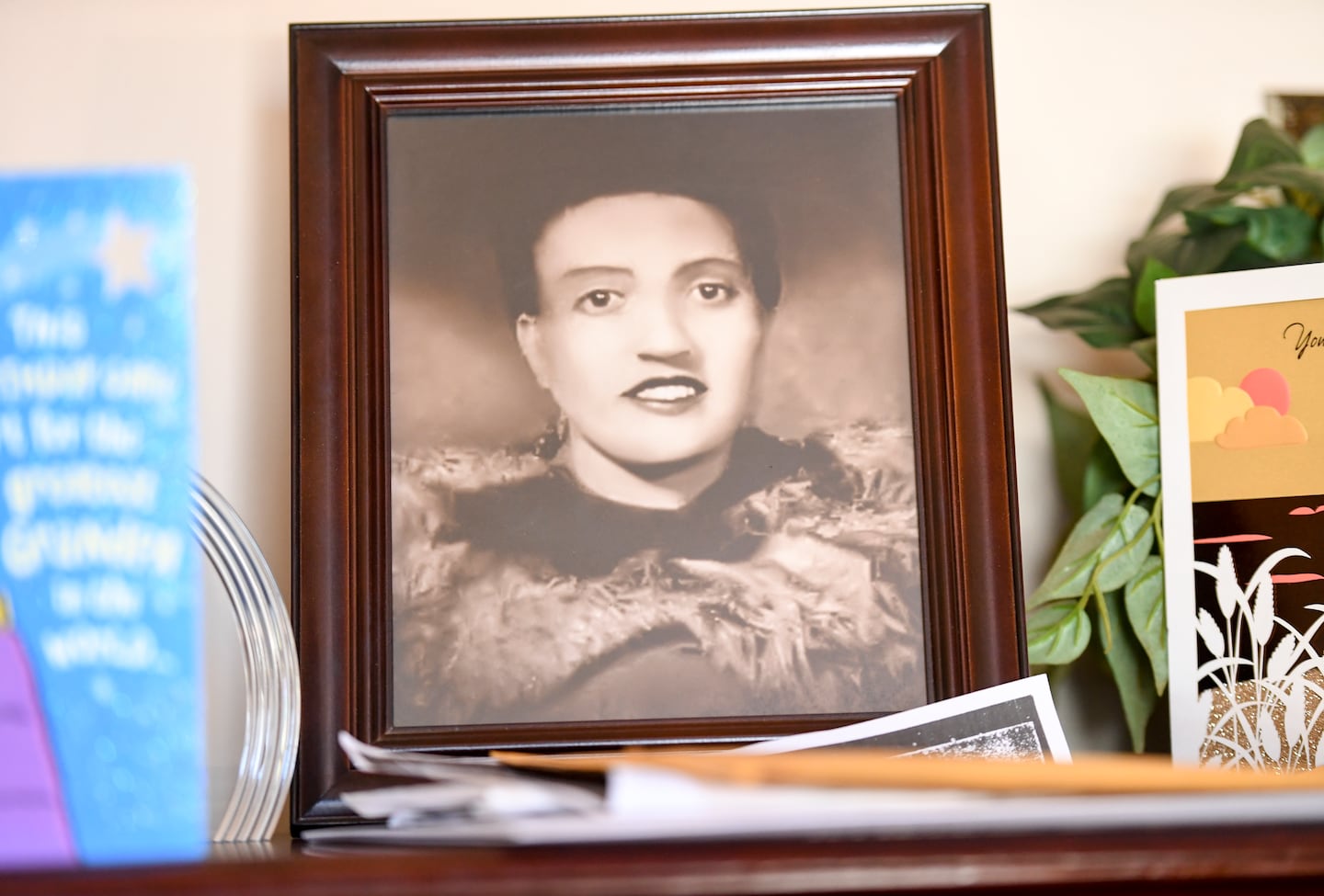
Seventy-five years ago, Henrietta Lacks became an unwitting participant in a pivotal moment in medical history. In 1951, doctors at Johns Hopkins Hospital harvested cells from Lacks, an African American woman diagnosed with cervical cancer, without her knowledge or consent. These cells, known as HeLa cells, have since played a crucial role in significant medical advancements, including the development of the polio and HPV vaccines, as well as treatments for HIV/AIDS, leukemia, and influenza.
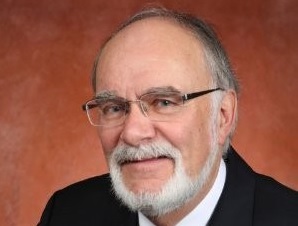
Lacks died in 1951, but the legacy of her immortal cells continues to influence research practices and ethics today. Local researchers are reflecting on the profound impact of HeLa cells on their work, emphasizing the need for informed consent in medical research. “To the modern researcher, the fact that cells were taken and established into an immortalized, forever-growing cell line from a patient that didn’t know that happened is astounding,” stated Cigall Kadoch, an associate professor of pediatric oncology at the Dana-Farber Cancer Institute and Harvard Medical School.
The story of Lacks gained wider recognition with the publication of Rebecca Skloot‘s book, “The Immortal Life of Henrietta Lacks,” in 2010. This narrative brought to light the ethical issues surrounding her treatment and the exploitation of Black patients in medical research. In recent years, Lacks’s family has also pursued legal action against companies profiting from her cells, reaching a confidential settlement with Thermo Fisher Scientific in 2023 and with Novartis earlier this month.
Born in 1920 in Roanoke, Virginia, Lacks worked on a tobacco farm and married David “Day” Lacks in 1941, with whom she had five children. Her journey to Johns Hopkins began on February 1, 1951, when she sought help for a “knot” in her cervix. The hospital, one of the few providing public medical care for Black patients, conducted research on patients without their knowledge, a practice that would later raise significant ethical concerns.
After being diagnosed with cervical cancer, Lacks signed a consent form for surgery, allowing doctors to perform any necessary procedures. During her treatment, samples from both her tumor and healthy cervical tissue were taken by Dr. George Gey, who later cultured these cells in his lab. HeLa, named using the first two letters of Lacks’s first and last name, became the first immortal human cell line, revolutionizing scientific research.
Before HeLa cells, scientists struggled to keep human cells alive outside the body, as most would die within days or weeks. However, Lacks’s cancerous cells multiplied rapidly, leading Gey to share them widely, although Lacks herself was never acknowledged.
Researchers like Dr. Sabrina Assoumou, an infectious disease physician at Boston Medical Center, credit HeLa cells as foundational to their work. Assoumou is involved in disseminating a long-acting HIV medication, Sunlenca, which has been approved by the FDA. She aims to expand access for patients, particularly those from marginalized communities. “HeLa cells have been really critical for many scientific discoveries, especially for understanding how HIV infection works,” Assoumou remarked.
During the early stages of the HIV/AIDS epidemic, researchers found that HeLa cells did not become infected with the virus like immune cells. This unique characteristic allowed scientists to manipulate the DNA of HeLa samples, providing insights into how HIV affects different cell types. “Understanding the mechanism that helped us later develop drugs that enable me to help my patients live longer and happier lives, a lot of the underpinnings were related to a lot of that fundamental work,” Assoumou added.
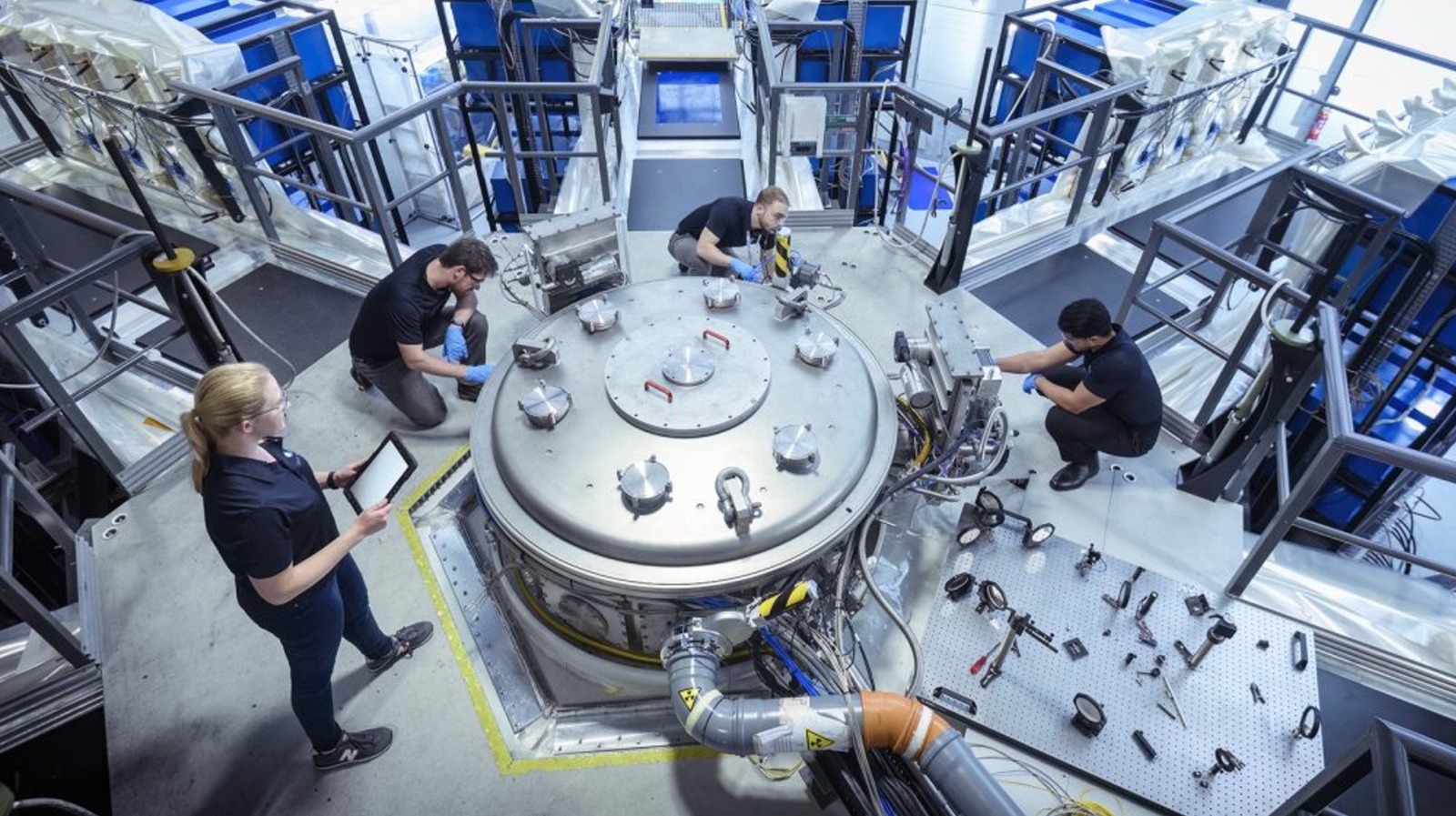
Kadoch, whose lab works directly with HeLa cells, noted that advances in gene sequencing have unveiled the genetic complexities of various cancers. “There’s power in numbers … cancer is not one disease, but a very diverse, heterogeneous collection of many different diseases,” she explained. Yet, creating cell lines for all cancer types remains challenging, as human cells can change in culture, leading to variations in lab results. “We often say no two HeLa cell lines from two different labs are the same,” Kadoch stated.
The HeLa cell line has not only led to numerous scientific breakthroughs but has also prompted a reevaluation of ethical standards in research. Assoumou has played a role in developing a course at Boston Medical Center to educate medical interpreters about the historical injustices in clinical trials, using cases like Lacks’s and the Tuskegee syphilis study as key examples. This course aims to empower interpreters to advocate effectively for patients who may not speak English fluently.
“We’ve learned and developed procedures and practices to help us be better researchers,” Assoumou said. “I can say that today I’m a better researcher because of the procedures and practices that were in place after what happened [to Lacks].”
Kadoch emphasized that informed consent is essential for ensuring diversity among research participants. Cancer’s genetic mutations can produce varying outcomes across different populations. “We’ll do a better job for our worldly effort against cancer if we understand the heterogeneous repertoire of individuals that get these diseases and the type of genes that are contributing to these diseases,” she noted.
Kadoch believes many researchers are still unaware of the full story behind HeLa cells and the ethical implications of their use. She makes it a priority to acknowledge the contributions of patients and families in her research. “Know what you work with, and where it came from,” she advises fellow researchers.
The enduring legacy of Henrietta Lacks serves as a reminder of the importance of ethical practices in medical research, ensuring that the contributions of all individuals are recognized and respected.