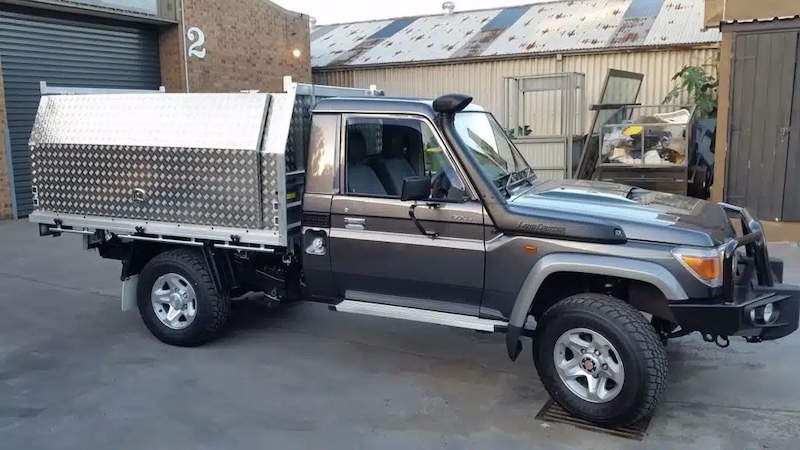
The food truck industry is increasingly turning to stainless steel as a preferred material for fitouts, combining hygiene and style in a highly competitive market. This trend responds to critical requirements for functionality, durability, and aesthetic appeal, all essential for attracting customers and ensuring food safety.
Stainless Steel: A Material of Choice
Stainless steel offers numerous advantages in food truck design. Its non-porous surface minimizes the risk of bacterial growth, aligning with stringent hygiene standards required in food preparation. According to the Food and Drug Administration (FDA), maintaining a clean workspace is vital for any food establishment, making stainless steel an ideal choice for food trucks, which often operate in limited spaces.
In addition to hygiene, stainless steel is remarkably durable. It withstands various weather conditions and physical wear, ensuring that food trucks maintain their appearance over time. This durability also translates to cost-effectiveness, as businesses can save on repairs and replacements in the long run. As noted by the Australian Institute of Food Safety, using robust materials like stainless steel can enhance the overall longevity of food truck operations.
Balancing Functionality and Aesthetics
Another significant factor driving the adoption of stainless steel in food truck fitouts is its sleek and modern appearance. Food trucks are not just mobile cooking units; they are also brand ambassadors that reflect the identity of their owners. A well-designed food truck can significantly influence customer perception and drive sales.
In a recent survey conducted by the Food Truck Association, over 70% of food truck owners reported that aesthetics play a crucial role in customer engagement. By opting for stainless steel, food truck operators can achieve a polished look that stands out in crowded markets.
Moreover, the versatility of stainless steel design allows for a range of styles, catering to various culinary themes. Whether it’s a gourmet taco truck or a vintage ice cream cart, stainless steel can complement any aesthetic while maintaining the necessary health standards.
The demand for food trucks continues to grow, with the global market projected to reach $1.5 billion by 2025, according to market research firm IBISWorld. As competition intensifies, the focus on effective fitouts, including the use of stainless steel, will become increasingly vital for success in this dynamic industry.
Investing in stainless steel for food truck fitouts not only ensures compliance with health regulations but also enhances the overall customer experience. Owners looking to optimize their food trucks for both hygiene and style will find stainless steel to be a valuable asset, reflecting a commitment to quality that resonates with consumers.