Florida’s public universities may face a significant change as the Florida Board of Governors is set to consider a one-year ban on hiring foreign faculty who require H-1B visas. This proposal, which has raised concerns among educators and administrators, aims to comply with directives from Governor Ron DeSantis, who previously referred to foreign professors as “cheap labor” that deprives qualified Floridians of job opportunities. The board will meet in Tallahassee on Thursday to vote on this proposed regulation.
If approved, the ban would prevent state universities from hiring faculty who hold H-1B visas, which are typically used to recruit foreign professionals in “specialty” occupations where there is a shortage of American workers. Approximately 400 employees currently working under H-1B visas at Florida universities could be affected by this decision. Following the board’s vote, the proposal will undergo a two-week public comment period before any final decisions are made.
The H-1B visa program has been instrumental in staffing critical areas in academia. According to the National Center for Science and Engineering Statistics, about 60% of Ph.D. graduates in computer science from U.S. universities in 2023 were temporary visa holders. This statistic highlights the reliance of many institutions, including those in Florida, on international talent.
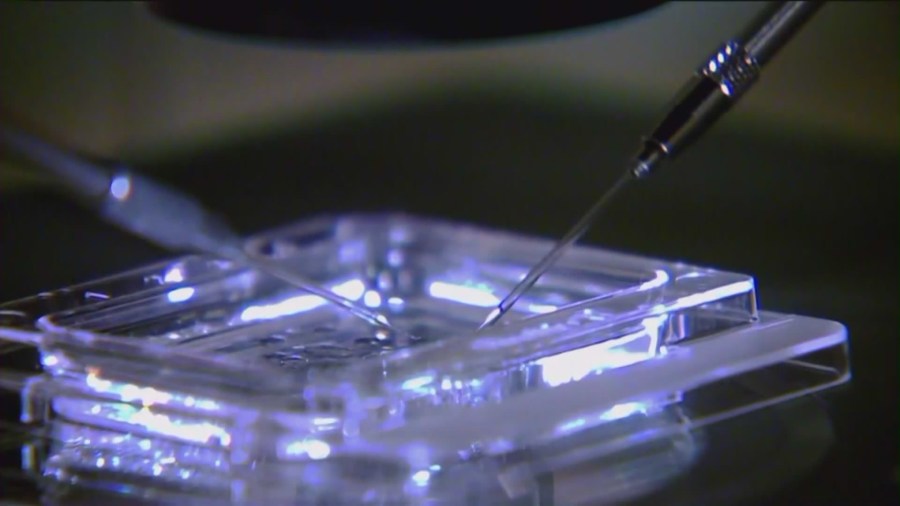
Concerns about the impact of a potential ban have been voiced by academics such as Kathryn Jones, a professor of biological science at Florida State University. She argues that foreign faculty members often fill specialized roles that are difficult to source domestically. “If you’re searching for someone who does cryo-electron microscopy, or someone who works on a specific kind of genomics, there’s often not someone from a domestic background who comes up in that year as ready to go for a job,” Jones stated.
The proposed ban could have far-reaching consequences for Florida’s science departments. Faculty on H-1B visas are predominantly found in fields like computer science, engineering, physics, and chemistry, areas that see relatively low interest from American students. The University of Florida employs the highest number of H-1B staff in the state, with 150 on these visas, followed closely by the University of South Florida with 72, Florida State University with 69, the University of Central Florida with 28, and Florida Atlantic University with 13.
The situation is further complicated by recent developments in federal immigration policy. In September 2023, former President Donald Trump announced an increase in fees for individual H-1B visas from $215 to $100,000, a cost typically borne by employers. This decision has sparked a divide among supporters of Trump, with some advocating for the program while others align with DeSantis’s stance. Trump’s administration claimed there was “systematic abuse” of the H-1B program, a proclamation that is expected to face legal challenges.
While the agenda item for the board’s Thursday meeting does not clarify the rationale behind the proposed one-year ban, it reflects a growing trend in U.S. immigration policy that prioritizes domestic over foreign labor. Critics, including Jones, worry that such measures could deter highly qualified faculty from contributing to Florida’s educational landscape.
As the board prepares to deliberate, the implications of this potential ban extend beyond university campuses. It raises questions about the future of academic collaboration and innovation in Florida, making it a critical moment for the state’s educational institutions.
This story is developing, and updates will be provided as more information becomes available.