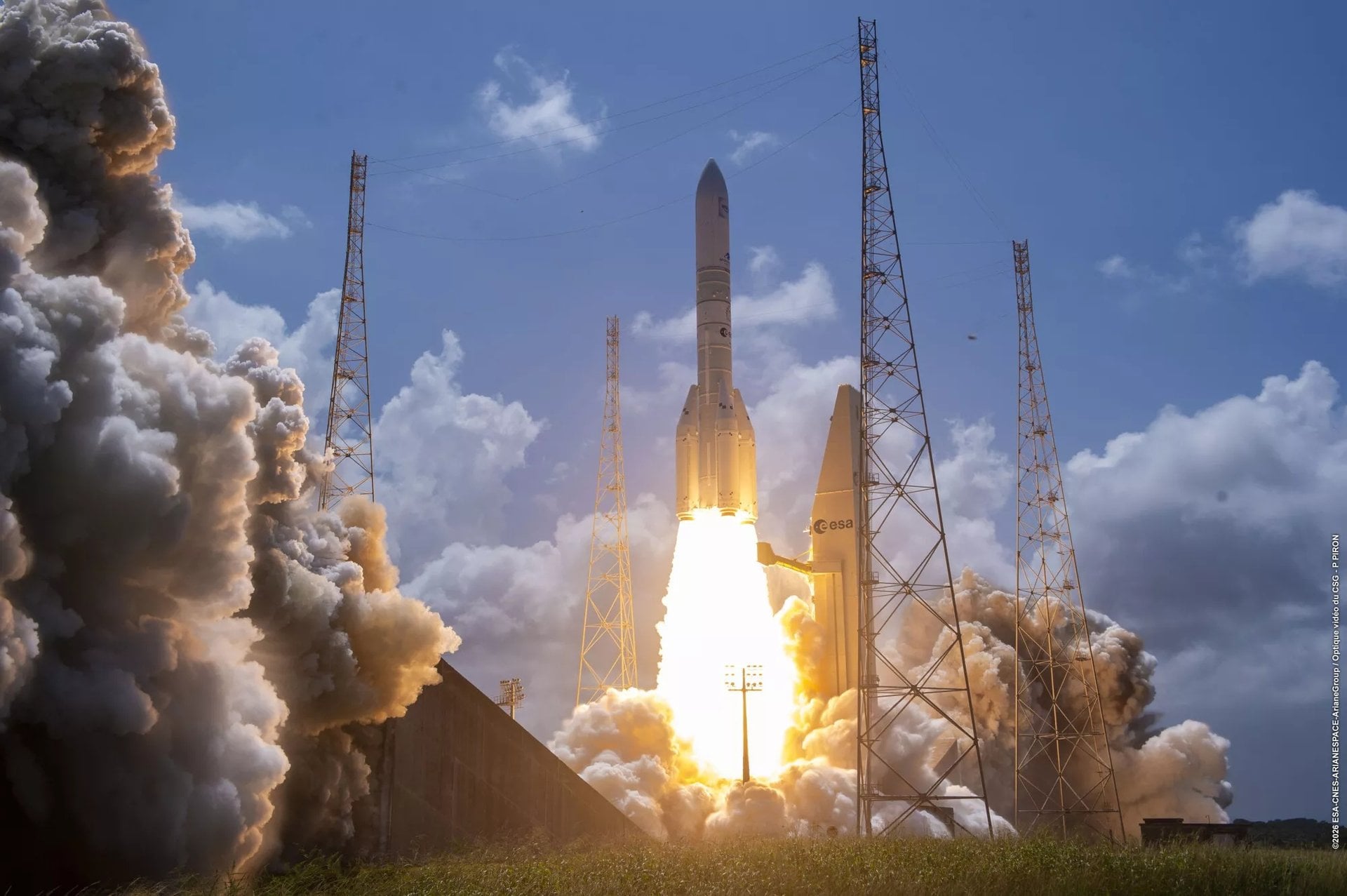
AST SpaceMobile has successfully launched its largest satellite to date, the BlueBird 6, on December 23, 2023, at 22:25 ET from the Satish Dhawan Space Center in India. This satellite marks the beginning of a new generation of technology aimed at establishing the first space-based cellular broadband network that can be accessed directly by standard mobile phones. With this launch, AST SpaceMobile positions itself as a competitor to SpaceX’s Starlink, which currently dominates the satellite internet sector.
Significant Innovations in Satellite Technology
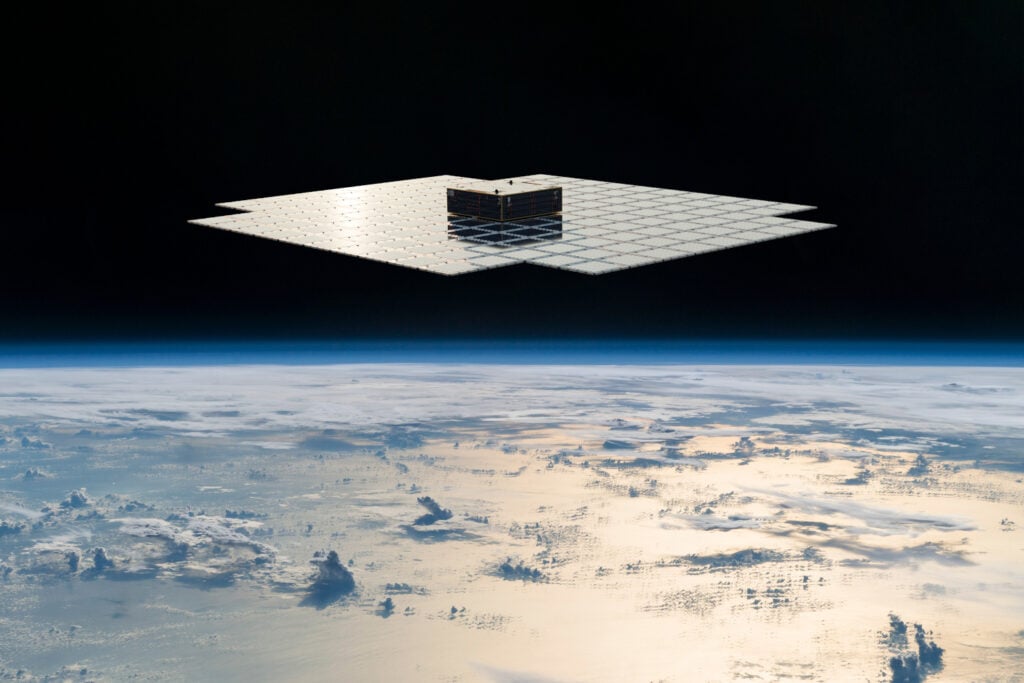
The BlueBird 6 is approximately three times larger than its predecessors, making it the largest commercial satellite in Earth orbit. This satellite follows AST SpaceMobile’s initial launch of the BlueWalker 3 in September 2022, which was designed to test the feasibility of establishing cellular connectivity from space. Notably, BlueWalker 3 facilitated the first 5G phone call from space to a standard Samsung Galaxy S22, demonstrating the potential of the technology.
Since the launch of BlueWalker 3, AST SpaceMobile has successfully deployed five additional satellites under the BlueBird series, with plans to launch an ambitious total of 243 satellites. The company emphasizes that its BlueBird satellites are among the largest in orbit, featuring a significant advantage in their antenna size. Once fully deployed, the BlueBird 6’s array will extend across approximately 2,400 square feet (223 square meters), significantly increasing its operational capacity.
Future Plans and Industry Dynamics
AST SpaceMobile intends to launch between 45 and 60 additional next-generation satellites by the end of 2026. These satellites are expected to provide 5G data services across the United States and selected international markets. Each satellite will support up to 10 gigahertz of bandwidth, enabling speeds of 120 megabytes per second per cellphone.
While SpaceX operates over 9,000 satellites, accounting for around 60% of all satellites in orbit, AST SpaceMobile’s larger antennas provide a competitive edge. The Texas startup plans to offer direct-to-cell service without the need for additional hardware, which could attract users seeking seamless connectivity.
Tensions between the two companies have heightened. In July 2023, SpaceX raised concerns with the Federal Communications Commission (FCC), suggesting that AST SpaceMobile’s operations could threaten the sustainability of low Earth orbit. In response, AST SpaceMobile accused SpaceX of attempting to undermine its initiatives through intimidation and misinformation campaigns.
As both companies expand their satellite constellations, the competition intensifies, leading to an increasingly crowded orbital environment that may impact the visibility of the night sky for many observers.