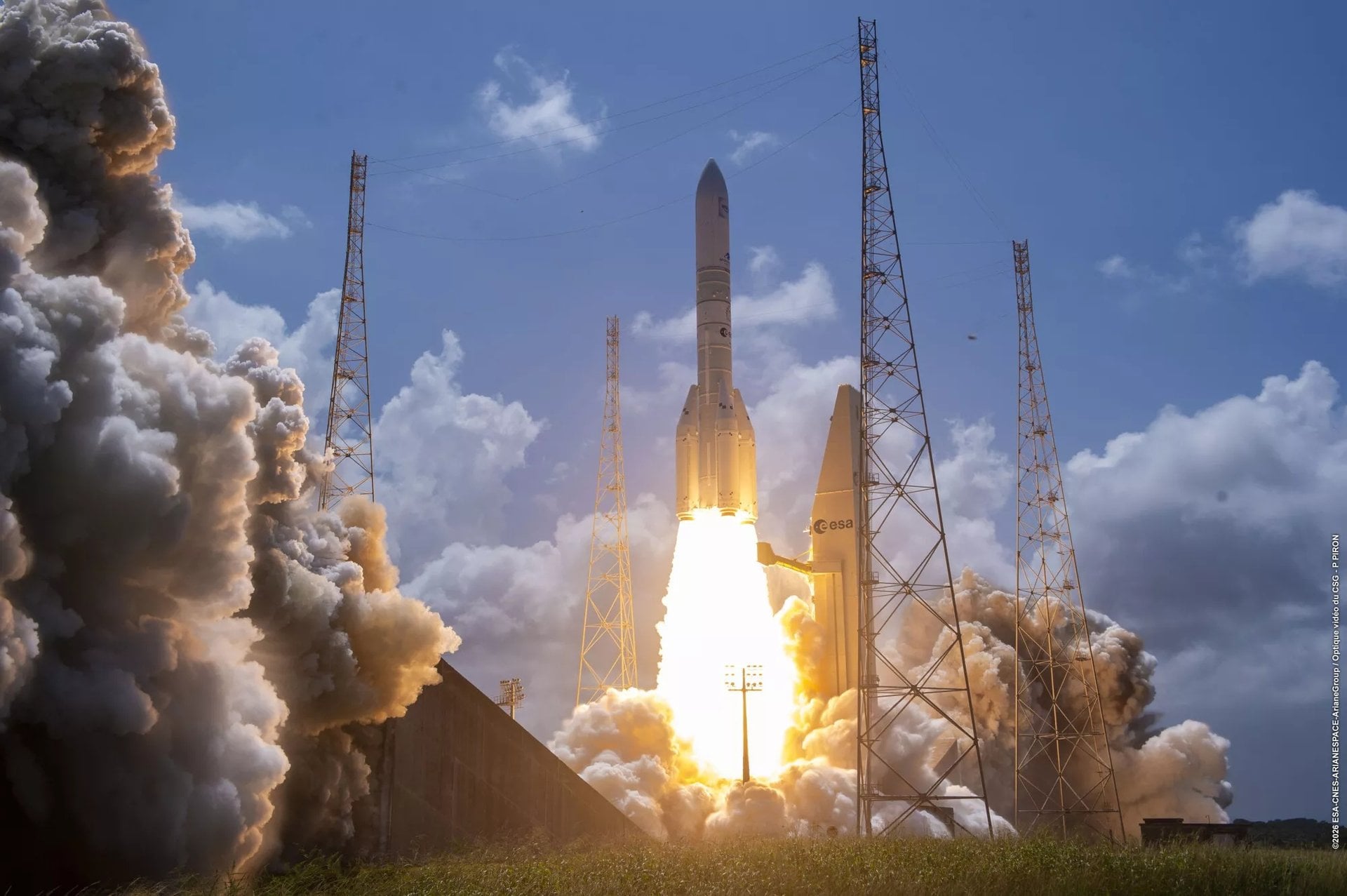
The European Space Agency (ESA) successfully launched the **Ariane 6** rocket on **July 7, 2024**, marking a significant advancement in its space capabilities. This new three-stage expendable launch system is designed to replace the Ariane 5 rocket and offers enhanced versatility and payload capacity. The maiden flight, designated VA267, took off from Europe’s Spaceport in **Kourou, French Guiana**, at **1:45 p.m. local time** (20:45 UTC), carrying **32 satellites** for Amazon’s Leo constellation.
The **Ariane 6** was initially introduced in the **Ariane 62** configuration, featuring two strap-on boosters with a medium payload capacity of **10,350 kg** (22,820 lb) to Low Earth Orbit (LEO) and **4,500 kg** (9,900 lb) to geostationary orbit (GSO). However, the launch on **February 12, 2025**, showcased the new **Ariane 64** configuration, which includes four strap-on boosters, significantly increasing its heavy-lift capacity to **21,650 kg** (47,730 lb) to LEO and **11,500 kg** (25,400 lb) to GSO.
New Opportunities for ESA and Commercial Partners
This successful launch represents a turning point for the ESA, enabling the agency to pursue ambitious projects in science and exploration, as well as commercial satellite constellations. It is noteworthy that this mission marked the first occasion a European launcher has serviced a satellite constellation, setting the stage for **17 additional launches** planned for the Amazon Leo constellation.
David Cavaillolès, CEO of Arianespace, highlighted the capabilities of the new **P120C solid rocket booster**, describing it as one of the largest and most powerful in operation today. The booster, constructed from a carbon-fibre design, carries approximately **143.6 metric tons** (158.3 U.S. tons) of propellant, consisting of aluminum, ammonium perchlorate, and HTPB. Each booster achieves a specific impulse of **279 seconds** and generates an average thrust of about **4.5 meganewtons** (1,000,000 lbf).
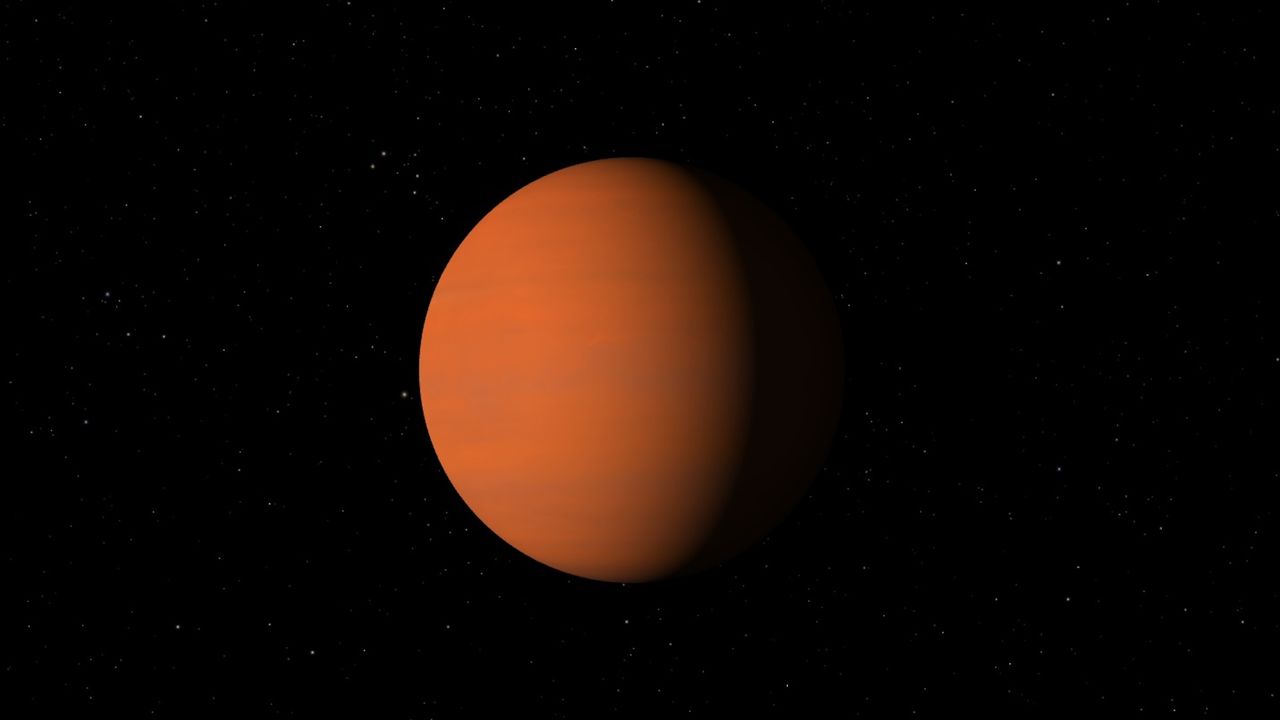
The ESA released a promotional video demonstrating the enhanced capabilities of the **Ariane 6** and the missions it will support. Among these is the **PLAnetary Transits and Oscillations of stars (PLATO)** satellite, scheduled for launch in **January 2027**. This mission aims to expand the current exoplanet census by measuring the sizes of distant planets, identifying exomoons and rings, and characterizing host stars to evaluate the habitability of planetary systems.
Aiming for Lunar Exploration
In addition to its role in exoplanet research, the **Ariane 6** will support the **Argonaut lunar lander**, which is vital to the ESA’s future plans for lunar exploration. The agency envisions deploying hundreds of these landers to deliver cargo to the Moon’s surface, supporting both robotic and crewed missions, including those tied to NASA’s Artemis program. The ultimate goal remains the establishment of an international lunar outpost, allowing for sustained human presence and exploration on the Moon.
Martin Sion, CEO of ArianeGroup, emphasized the importance of these advancements in pushing the boundaries of European space exploration. As the ESA continues to evolve its capabilities, the successful launch of the **Ariane 6** paves the way for a new era in commercial and scientific endeavors in space.