The White House has justified its September 2 airstrike on a suspected drug boat, asserting that the action was taken in self-defense. The controversial double-tap strike, which involved a second attack on survivors of the initial hit, has faced significant criticism from various quarters, with some legal experts and human rights advocates questioning its legality and referring to it as a possible war crime.
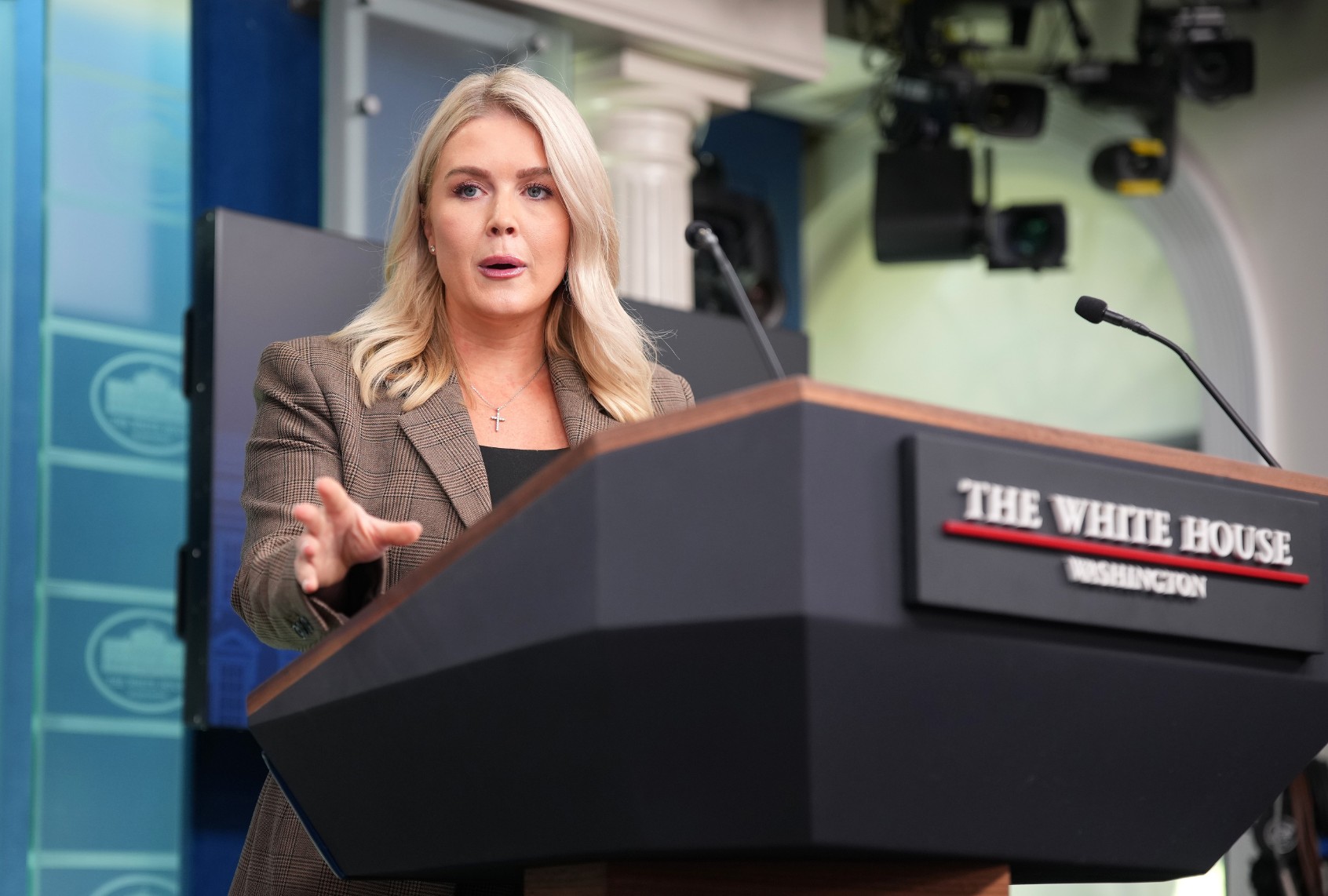
During a press briefing, White House Press Secretary Karoline Leavitt announced that the order for the second strike was given by Admiral Frank Bradley and stated that he acted within his legal authority. Leavitt emphasized that both President Trump and Secretary Pete Hegseth had made it clear that groups designated as narco-terrorists by the presidency are subject to lethal targeting in accordance with the laws of armed conflict.
Opponents of the strike have pointed to a report from the Washington Post that revealed Hegseth allegedly instructed his team to “kill them all” prior to the operation. Hegseth has since dismissed these claims as “fake news,” asserting that the attack was lawful under both U.S. and international law. In a statement on social media platform X, he defended the military operations in the Caribbean, stating, “Our current operations are lawful… with all actions in compliance with the law of armed conflict.”
The airstrike has drawn sharp rebuke from human rights organizations, including a condemnation from the United Nations. The UN’s human rights chief labeled the strikes as “unacceptable” and lacking justification, calling for accountability in military operations that result in civilian casualties.
As the debate over the legality and morality of the airstrike continues, some lawmakers, including Senator Kelly, have expressed concerns that the actions taken by U.S. military leadership could potentially amount to war crimes. The situation underscores the complexities and contentious nature of military engagement in international waters, particularly when drug trafficking is involved.
The implications of this airstrike extend beyond legal ramifications, touching on broader discussions about military ethics and the United States’ role in combating drug trafficking in the Caribbean region. As the administration stands by its decision, it remains to be seen how this incident will affect public perception and future military actions.