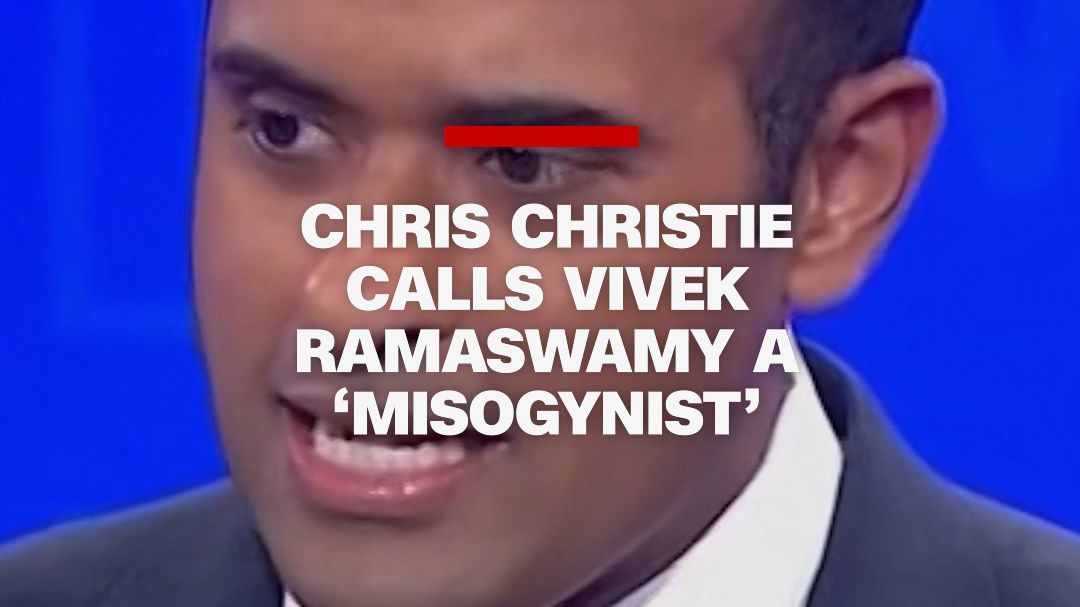
Vivek Ramaswamy, a prominent figure in the Republican Party, is redefining his political persona as he prepares for the Ohio gubernatorial race. Initially known for his provocative statements and confrontational style, Ramaswamy now aims to present himself as “conservative without being combative.” This rebranding effort comes as he seeks to succeed current Governor Mike DeWine, who has maintained a more measured approach to politics.
Ramaswamy made headlines at the recent Turning Point USA’s AmericaFest, where he openly criticized far-right figures, including Nick Fuentes, and denounced the “rising prevalence of the blood-and-soil view” within his party. His remarks signal a strategic shift as he attempts to navigate the ongoing debates within the Republican Party regarding racial and political identity. Notably, he referenced former President Ronald Reagan, stating, “You could go to Italy, but you would never be an Italian… But you can come from any one of those countries to the United States of America, and you can still be an American.”
This change in tone is significant considering Ramaswamy’s earlier controversial statements, including his denial of the existence of white supremacists in the country. Since launching his presidential campaign in 2023, he has transitioned from a radical policy advocate—calling for measures such as raising the voting age to 25 and abolishing the FBI—to a candidate more focused on state-level issues.
Ramaswamy’s Campaign Focuses on Ohio Issues
In his campaign for governor, Ramaswamy has concentrated on critical state issues, including Ohio’s budget, tax policies, and education system. He emphasized the importance of providing a world-class education for children in Ohio, stating, “If you care about your kids living the American dream… then I’ll tell you this, we’re on the same team.” His campaign strategy includes visiting all 88 counties in Ohio to connect with voters directly, a move highlighted by campaign advisor Jai Chabria.
Political analysts, such as veteran commentator Terry Casey, describe Ramaswamy as a curious figure who actively listens to constituents. Former Representative Jim Renacci acknowledged that Ramaswamy is still in the process of introducing himself to Ohio voters ahead of the May 5, 2024 primary.
Despite his efforts, Ramaswamy has not yet received an endorsement from DeWine, who expressed a desire to better understand Ramaswamy’s positions before offering support. DeWine stated, “I want to get to know him. I’m still doing that.”
Democrats Eye Opportunities in Ohio
As Ramaswamy seeks to solidify his standing in the Republican primary, Democrats are increasingly optimistic about their chances in the upcoming gubernatorial election. With the potential nomination of Ramaswamy, they believe they have a window to reclaim statewide leadership. Notably, former Democratic Senator Sherrod Brown is preparing for a comeback bid after a previous loss in the 2024 election.
Ramaswamy is expected to face Amy Acton, a physician and public health expert, who is running virtually uncontested for the Democratic nomination. Acton, who played a key role in the DeWine administration’s response to the Covid-19 pandemic, has been criticized by Ramaswamy for her support of pandemic-related restrictions. In response, DeWine defended Acton, asserting that the ultimate decisions regarding those policies were his own: “The buck stops with me. I made the decisions.”
Democratic leaders believe Ramaswamy’s candidacy may not resonate well with Ohio voters. Former Governor Ted Strickland remarked that Ohio could surprise many in the upcoming election, suggesting that Ramaswamy’s perceived arrogance may hinder his appeal. He noted, “I don’t think [Ramaswamy] is well-liked.”
As the race heats up, Ramaswamy is attempting to balance his national profile with a focus on local issues. He aims to secure a strong voter base in Ohio while navigating the challenges of an evolving political landscape. The outcome of this race will not only impact Ohio’s governance but could also influence the broader dynamics within the Republican Party as it grapples with questions of identity and ideology.