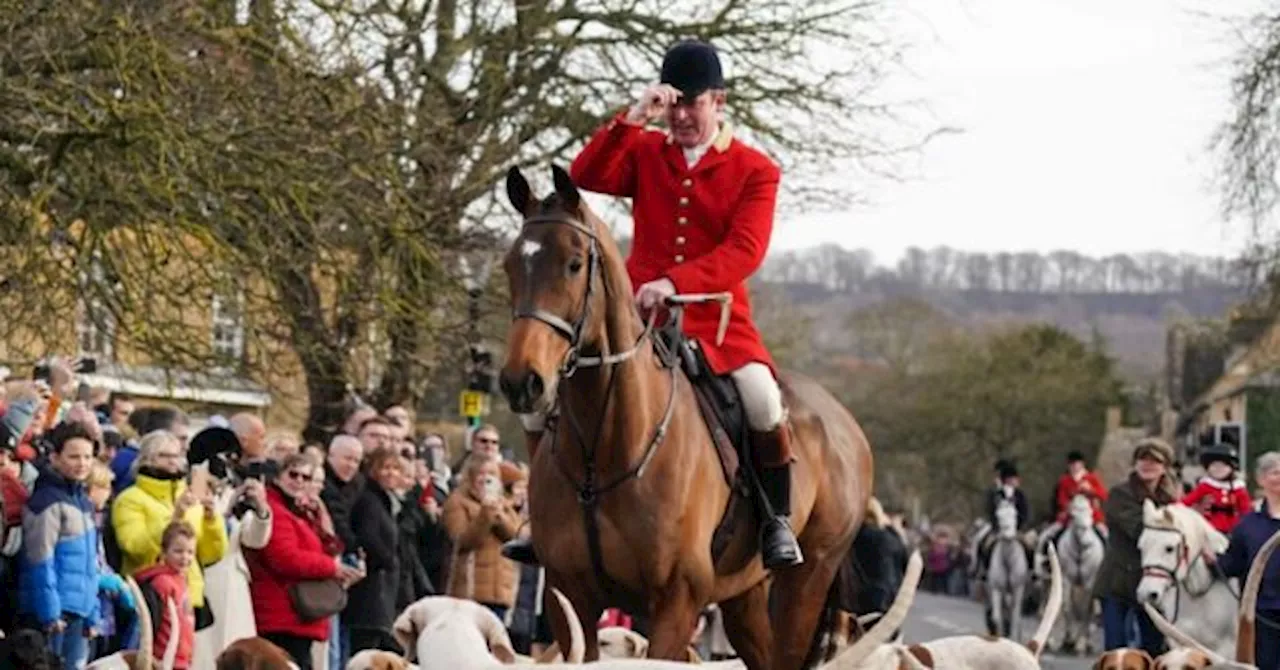
The UK Labour government is advancing significant restrictions on rural traditions, particularly targeting hunting practices and firearm ownership. These measures, part of a broader animal welfare strategy, aim to eliminate trail hunting, a practice that simulates fox hunting without harming actual animals. The announcement has sparked outrage among rural advocates who view it as an attack on countryside traditions and livelihoods.
Environment Secretary Emma Reynolds characterized the policy as the most ambitious animal welfare strategy in a generation. “Our strategy will raise welfare standards for animals in the home, on the farm, and in the wild,” she stated. Critics, however, argue that the ban on trail hunting, which involves hounds following an artificial scent, is an overreach and reflects a disconnect between urban policymakers and rural communities.
The tradition of fox hunting in the UK has been largely diminished since a ban was enacted in 2004. While trail hunting was seen as a way to preserve some elements of this cultural practice, the recent announcement has led to accusations of authoritarianism from figures like Nigel Farage, who described Labour as “authoritarian control freaks.” Welsh Conservative Andrew RT Davies echoed this sentiment, suggesting that the rapid movement towards banning trail hunting, while ignoring issues like illegal hare coursing, reveals the government’s true intentions.
Concerns Over New Firearm Regulations
In addition to changes in hunting regulations, the government is also moving forward with plans to restructure firearm ownership laws. A forthcoming public consultation is expected to address the proposal to merge the Section 1 Firearms Certificate with the Section 2 Shotgun Certificate. Advocates for the countryside warn that this merger could complicate shotgun ownership, which is vital for agricultural practices and recreational activities in rural areas.
The British Association of Shooting and Conservation has responded to the proposed changes, gathering over 100,000 signatures on a petition opposing the merger. They argue that the current regulations for shotgun ownership already ensure public safety, with incidents involving legally held firearms being extraordinarily rare—approximately one in 15 million annually. According to the association, merging the two licensing systems would not enhance safety but would merely introduce unnecessary bureaucracy.
The Countryside Alliance has raised alarms about the additional administrative burden that combining shotgun and rifle regulations would place on police licensing units, which are already stretched thin. They emphasize that these changes could negatively impact rural economies, conservation efforts, and community cohesion, particularly in remote areas of the UK.
Ongoing Impact on Rural Communities
The government’s approach has been criticized as a “spiteful attack” on rural life, with Davies stating that urban elites are out of touch with the realities of countryside living. The proposed policies come at a time when the government is also facing backlash for its inheritance tax on family farms, which critics argue could jeopardize historic food-producing institutions.
Sky News highlighted that trail hunting supports hundreds of jobs and is central to many rural communities. Advocates contend that rather than pursuing divisive policies that hinder rural communities, the government should focus on initiatives that help these areas thrive.
As the Labour government continues to implement its controversial strategies, the tension between urban and rural interests in the UK is likely to escalate. With the potential for further restrictions on hunting and firearm ownership looming, the future of traditional rural practices hangs in the balance.