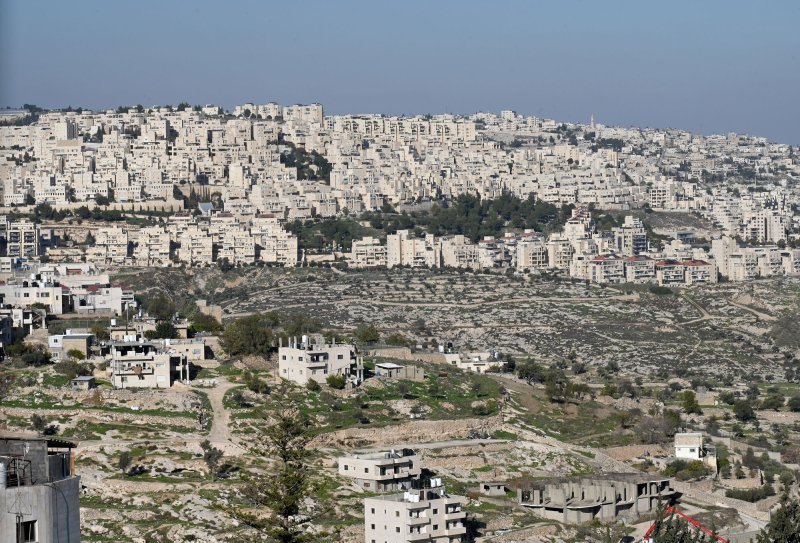
The United States has announced it will provide passport services for the first time in Israeli settlements located in the West Bank, a development that has sparked significant international controversy. The U.S. Embassy in Jerusalem revealed on February 26, 2025, that consular officers will offer routine passport services in the settlement of Efrat on March 1, 2025. This initiative aims to enhance access for American citizens living in the region, but it is expected to provoke backlash from various foreign governments and human rights organizations.
The establishment of Efrat dates back to April 10, 1983, according to its official website. Despite this, Israeli settlements in areas classified as occupied Palestinian territories, including the West Bank and East Jerusalem, are widely considered illegal under international law. The U.S. Embassy stated that it plans to conduct outreach events in several other West Bank settlements over the coming months as part of its “Freedom 250 initiative,” which commemorates 250 years of U.S. independence.
The announcement has drawn sharp criticism from the Palestinian Authority. Mu’ayyad Shaa’ban, the head of the Colonization and Wall Resistance Commission, described the decision to offer passport services in these settlements as a “clear violation of international law.” He pointed out that the Fourth Geneva Convention of 1949 prohibits an occupying power from relocating its civilian population to occupied territories. Shaa’ban emphasized that extending consular services to a settlement established on confiscated Palestinian land undermines the principle of non-recognition of unlawful situations.
Hamas also condemned the U.S. decision, labeling it a “dangerous precedent.” The militant organization warned of potential repercussions, stating, “This step encourages the occupation to expand its control, which requires an international position of pressure to stop this encroachment and aggression against our people and our land.”
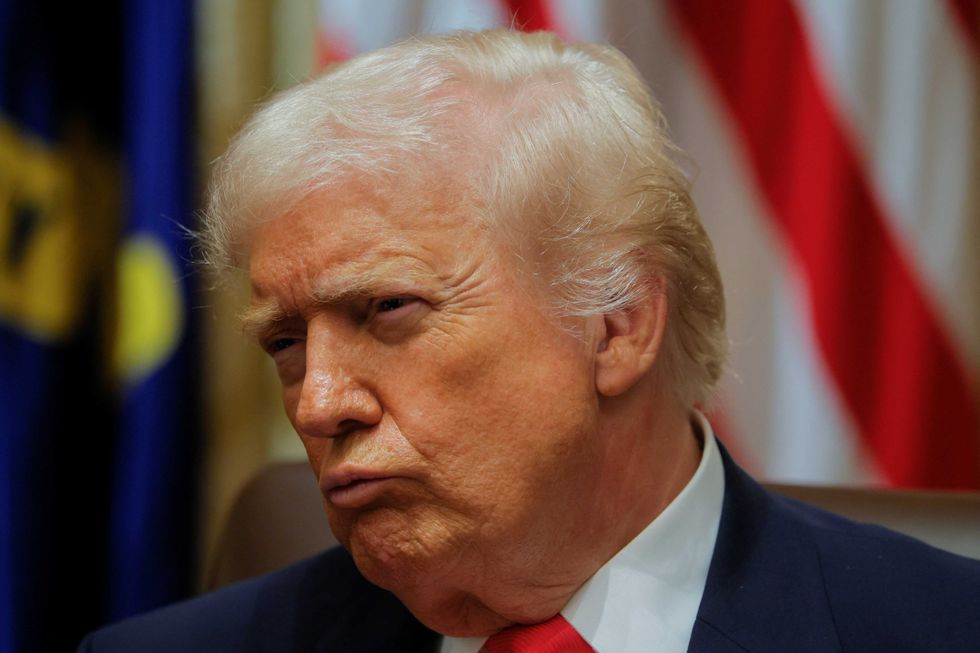
Historically, the United States has regarded the settlements as inconsistent with international law. This stance shifted during the administration of former President Donald Trump, who took several measures to validate the legitimacy of Israeli settlements. He recognized Jerusalem as Israel’s capital and relocated the U.S. Embassy there. In 2019, Trump’s State Department reversed the longstanding U.S. policy regarding the settlements, and his 2020 peace plan included provisions for Israel to maintain its settlements.
Since Trump’s return to office in January 2025, he has lifted sanctions imposed on violent settlers and settler groups. Following the U.S. announcement, the Israeli Foreign Ministry expressed gratitude for the extension of passport services in Efrat. A statement on social media read, “We welcome the historic decisions by the U.S. embassy in Jerusalem to extend consular services to American citizens in Judea and Samaria,” referring to the West Bank by its Israeli administrative term.
This move coincides with Israel’s recent actions to classify more Palestinian land as state land, intensifying illegal settlement activities and further entrenching its presence in the region. On February 27, 2025, foreign ministers from 19 primarily European nations issued a statement condemning the “sweeping extensions to unlawful Israeli control over the West Bank.” Their statement reaffirmed opposition to all measures aimed at altering the demographic composition and status of the Palestinian territories, including East Jerusalem.
As the United States proceeds with its new passport services, the international community continues to grapple with the implications of legitimizing activities in areas deemed illegal under international law. The situation remains fluid, and further responses from various stakeholders are anticipated as events unfold.