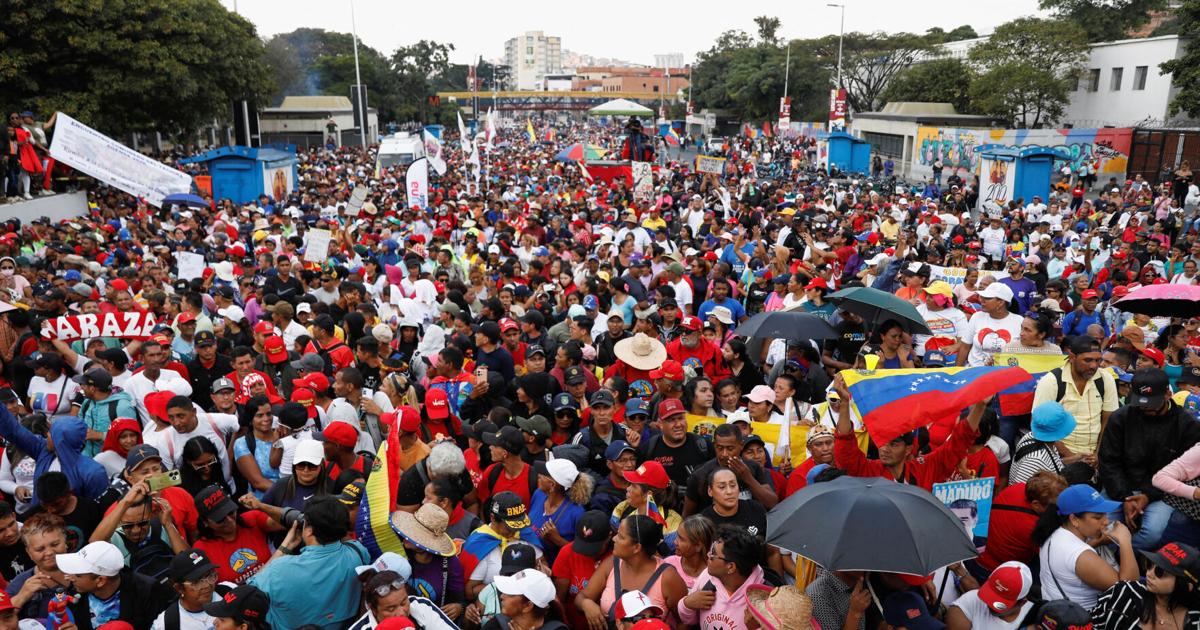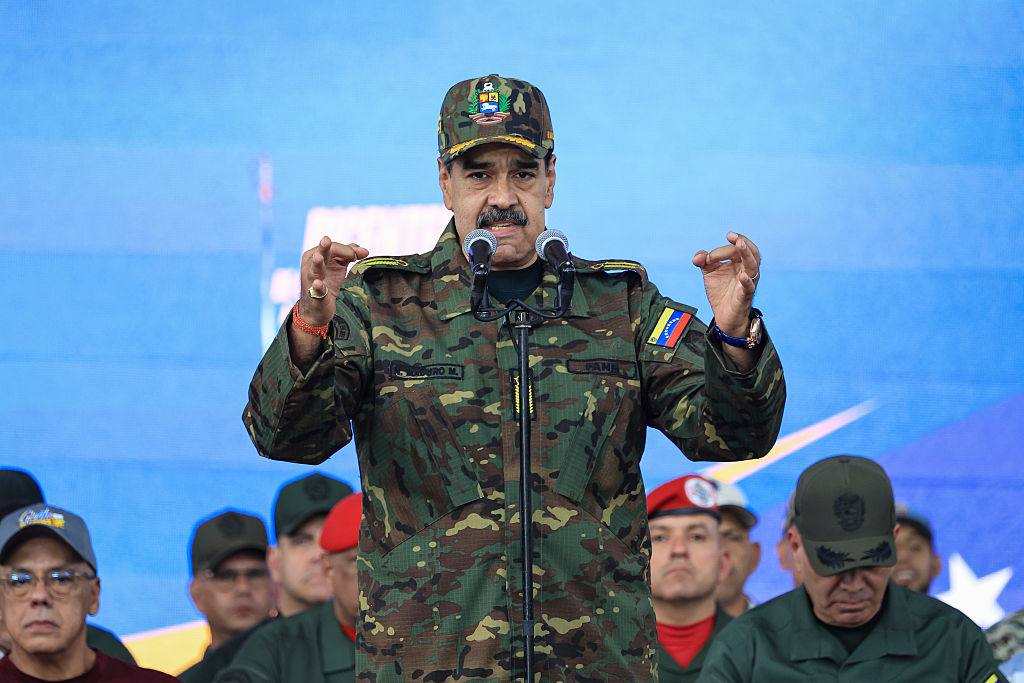
Venezuelans are celebrating following the successful removal of Nicolás Maduro, the long-standing leader accused of authoritarianism and drug trafficking. U.S. forces executed a well-coordinated operation to capture Maduro and his wife, prompting widespread jubilation in Caracas and among Venezuelan communities worldwide. The immediate aftermath of this dramatic event has elicited mixed reactions, particularly among American politicians.
While many Venezuelans express relief and hope for a new era, some congressional Democrats, certain Republicans, and the newly elected mayor of New York City, Zohran Mamdani, have voiced concerns. Critics within the Democratic Party are grappling with the implications of this military action, which contrasts sharply with their stance on foreign intervention.
The operation has drawn praise from various media outlets, including The Washington Post, which characterized it as “a major victory for American interests.” The editorial highlighted the timing of the operation, noting that just hours before Maduro’s capture, he met with supportive officials from China, a country that has maintained a close relationship with his regime, alongside allies like Russia, Cuba, and Iran.
Some Democrats now face a complicated political landscape. While they have previously opposed military interventions, the question arises: will they publicly defend Maduro, given the serious allegations against him? Notably, the first line of the federal indictment against Maduro states that for over 25 years, leaders in Venezuela have “abused their positions of public trust” to facilitate drug trafficking into the United States.
Amid ongoing debates, some Democratic lawmakers are advocating for the invocation of the War Powers Act, which could limit the president’s ability to engage in further military actions in Venezuela. In contrast, the editorial board of The Washington Post asserted that Maduro’s removal sends a clear message to authoritarian leaders globally: that accountability will be enforced.
Opposition leader and Nobel Peace Prize recipient Maria Corina Machado celebrated the event, stating on social media, “The time for freedom has come! Maduro will face international justice for atrocious crimes against Venezuelans and against citizens of many other nations.” Machado’s remarks reflect a broader sentiment among many Venezuelans who are hopeful for a future devoid of Maduro’s oppressive regime.
The justification for military action had been articulated prior to the operation in an article by Elliott Abrams, published in the National Review. He noted that democratic forces in Venezuela had won a significant victory in the previous presidential election, despite systemic attempts by Maduro’s regime to manipulate the results. The opposition candidate won decisively, suggesting a strong desire among the Venezuelan populace for change.
As protests against Maduro’s regime continue to unfold, those in favor of his removal gather in significant numbers, overshadowing those who support him. The prospect of a trial in New York for Maduro could serve as a pivotal moment for international law and justice.
Looking ahead, former President Donald Trump has stated that the U.S. and oil companies will “run” Venezuela temporarily, with the expectation that this will lead to economic prosperity for Venezuelans. He emphasized that the military’s support and the will of the Venezuelan people will be crucial in this transition.
The implications of Maduro’s removal have resonated beyond Venezuela. Dictators in countries like Cuba and Iran, as well as the Mexican government, are likely observing the developments closely. They may reconsider their strategies in light of the U.S. government’s willingness to take decisive action against authoritarian regimes.
As the political landscape evolves, the Democratic Party must navigate these complexities while addressing their electoral prospects in future elections. It remains to be seen how they will reconcile their foreign policy positions with the realities of a shifting geopolitical environment. The removal of Maduro marks a significant turning point, one that will likely influence not only Venezuela’s future but also international relations for years to come.