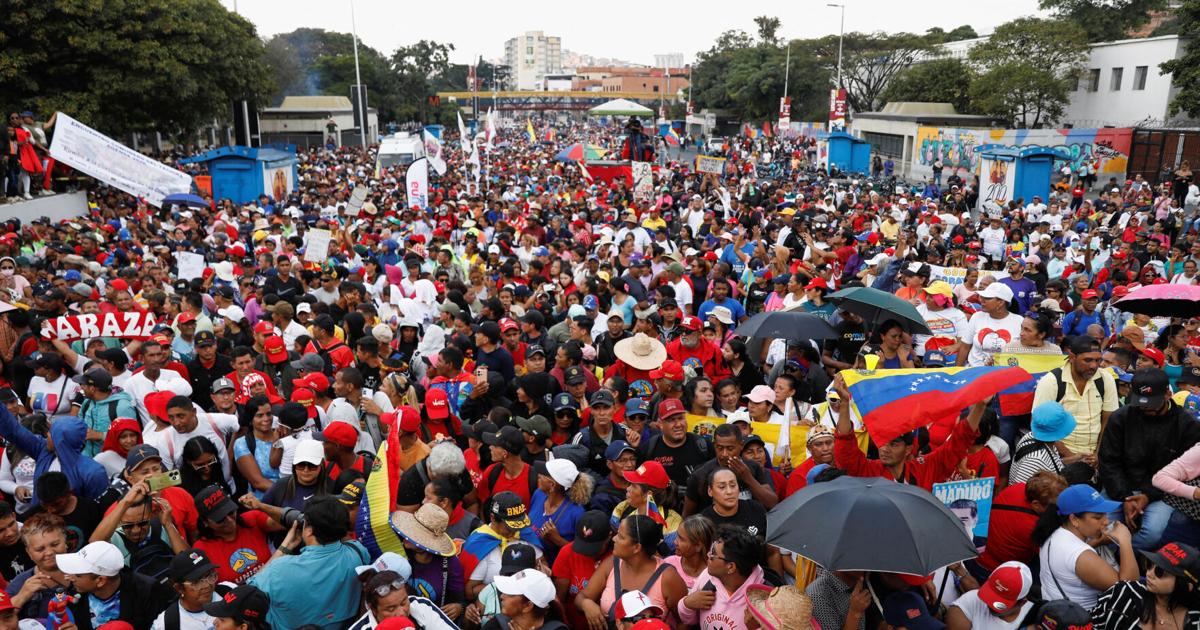
The political crisis in Venezuela has intensified, placing significant responsibility on the United States to respond effectively to the humanitarian needs of its people. As political dynamics evolve, the U.S. is urged to prioritize aid and support for the approximately 25 million Venezuelans facing severe challenges.
In a reflection on the complexities of international intervention, the late General Colin Powell once remarked to President George W. Bush about the weight of responsibility that comes with military action. He stated, “You are going to be the proud owner of 25 million people. You will own all their hopes, aspirations and problems. You’ll own it all.” This insight is becoming increasingly relevant as the U.S. navigates its role in Venezuela.
The Venezuelan crisis has been marked by political instability, economic collapse, and widespread human rights abuses. Recent reports indicate that millions are suffering from food shortages, lack of medical supplies, and displacement due to ongoing violence. The situation calls for robust international engagement, particularly from nations like the United States, which have the resources and influence to effect change.
Humanitarian Crisis Demands Action
Organizations such as Human Rights Watch and Médecins Sans Frontières have documented the dire conditions in Venezuela. According to their findings, healthcare facilities are overwhelmed, and basic necessities are scarce. The need for humanitarian aid has reached critical levels, and many citizens are calling for immediate assistance from the international community.
The U.S. government has previously imposed sanctions on Venezuelan officials in response to human rights violations, but these measures have had mixed results. Critics argue that while sanctions aim to pressure the regime, they also exacerbate the suffering of ordinary citizens. Therefore, a balanced approach that combines pressure on the government with substantial humanitarian support is essential.
Strategies for U.S. involvement could include increasing humanitarian aid, supporting local organizations that provide relief, and engaging in diplomatic efforts to promote a peaceful resolution to the crisis. As the situation develops, the responsibility to protect the rights and welfare of Venezuelans remains a pressing concern for the U.S. and the broader international community.
A Path Forward
Engagement with regional partners may provide a pathway for more effective intervention. Collaborative efforts with countries in Latin America, international organizations, and non-governmental organizations could enhance the impact of aid and bring about meaningful change. The U.S. could lead initiatives aimed at stabilizing the region and offering support to those affected by the crisis.
As the crisis unfolds, it is clear that the actions taken now will have long-lasting effects on the Venezuelan population. The responsibility is not only a matter of political will but also a humanitarian obligation to help those in dire need. The international community must prioritize the Venezuelan people’s plight, ensuring that their voices are heard and their needs addressed.
In summary, the fate of the Venezuelan people rests heavily on the shoulders of international leaders, particularly those in the United States. With an urgent call for action, it is imperative that the U.S. steps forward to embrace this responsibility and strive for a better future for Venezuela.