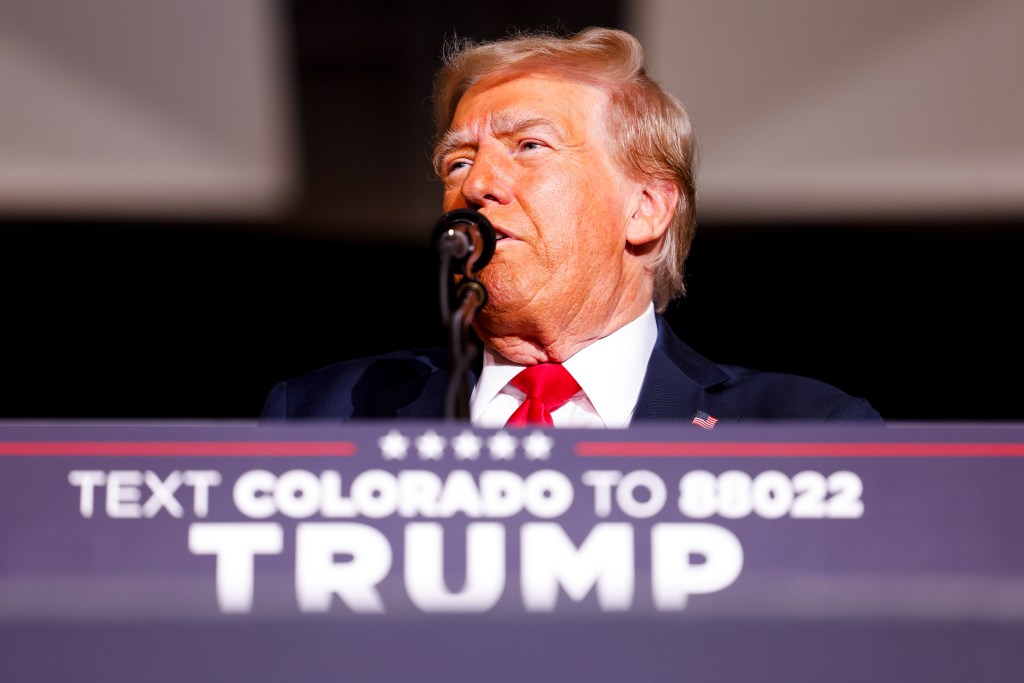
In a surprising turn of events, former President Donald Trump has embraced the FBI as a key player in the investigation surrounding the fatal shooting of Nicole Good by an agent from ICE (Immigration and Customs Enforcement) in Minneapolis. This shift marks a significant departure from Trump’s previous stance, where he frequently criticized the FBI as part of a so-called “deep state” undermining his presidency.
A Shift in Perception
Trump’s new reliance on the FBI comes as the agency is tasked with examining the circumstances of Good’s death, which has sparked outrage and debate across the nation. Previously, Trump had dismissed FBI findings that did not align with his views, often labeling them as biased or politically motivated. Now, he appears to regard the FBI as the definitive source of truth, sidelining local and state law enforcement agencies.
This abrupt change has raised eyebrows, particularly among those who have followed Trump’s contentious relationship with federal law enforcement. Critics point out the irony of Trump now seeking validation from an institution he once portrayed as an adversary. The FBI’s findings are expected to play a crucial role in shaping public perception of Good, who has been controversially labeled in some circles as a radical or domestic terrorist.
Community Reactions and Implications
The community in Minneapolis is closely monitoring the investigation, with many residents expressing concerns about the implications of labeling Good in such a manner. This situation has intensified calls for accountability and transparency in law enforcement actions, especially regarding the use of lethal force.
Bert Silvestri, a resident of Peckville, has voiced his skepticism regarding the FBI’s findings. He argues that the agency’s report may lead to a “whitewashed” narrative that fails to capture the complexities of the incident. Silvestri’s comments reflect a broader sentiment among community members who worry that the investigation may not fully address the underlying issues at play.
As the FBI proceeds with its investigation, the outcome could have significant ramifications for both public trust in law enforcement and the political landscape. Trump’s newfound endorsement of the FBI may resonate with some of his supporters, but it could also alienate others who remain wary of the agency’s motives.
In summary, Trump’s pivot toward trusting the FBI amid this investigation has opened a dialogue about law enforcement accountability and the complexities of political narratives surrounding federal agencies. With ongoing scrutiny from the public and media alike, the developments in this case are likely to unfold in the coming weeks.