Former President Donald Trump has expressed a shift in his priorities regarding Greenland, suggesting that his ambition to acquire the territory is influenced by his rejection for the Nobel Peace Prize. In a letter addressed to Norwegian Prime Minister Jonas Gahr Støre, Trump stated that the lack of recognition for his diplomatic efforts has diminished his sense of obligation to prioritize peace.
In the letter, dated March 2024, Trump elaborated, “Considering your country decided not to give me the Nobel Peace Prize for having stopped eight wars, I no longer feel an obligation to think purely of peace.” He went on to argue that Denmark cannot adequately protect Greenland from potential threats posed by Russia and China, raising questions about the legitimacy of Denmark’s ownership. “There are no written documents; it’s only that a boat landed there hundreds of years ago,” Trump claimed, asserting that the United States had also made landings in the region.
Trump’s comments come as he prepares to attend the annual World Economic Forum in Davos, Switzerland, where he is expected to engage with business leaders and international allies. The remarks have sparked renewed discussions among European leaders concerning security in Greenland, which many view as a strategic asset.
The United Kingdom Prime Minister Keir Starmer has taken a more conciliatory approach, emphasizing the importance of avoiding a tariff war. Starmer stated, “A tariff war is in nobody’s interests,” highlighting the need for cooperation rather than conflict. He confirmed that the UK is not currently planning to escalate tensions with the United States over this issue.
European Union ambassadors have also convened to discuss the implications of Trump’s ambitions. Representatives from the EU have indicated a willingness to enhance security measures in Greenland, particularly following announcements from countries including France, Germany, and the Netherlands to bolster their contributions to the territory’s defense.
Amid rising tensions, Trump announced that a 10% tariff would be imposed on countries opposing his Greenland acquisition efforts, effective next month. This decision has drawn criticism, including from Italian Prime Minister Giorgia Meloni, who labeled the tariffs a “mistake.”
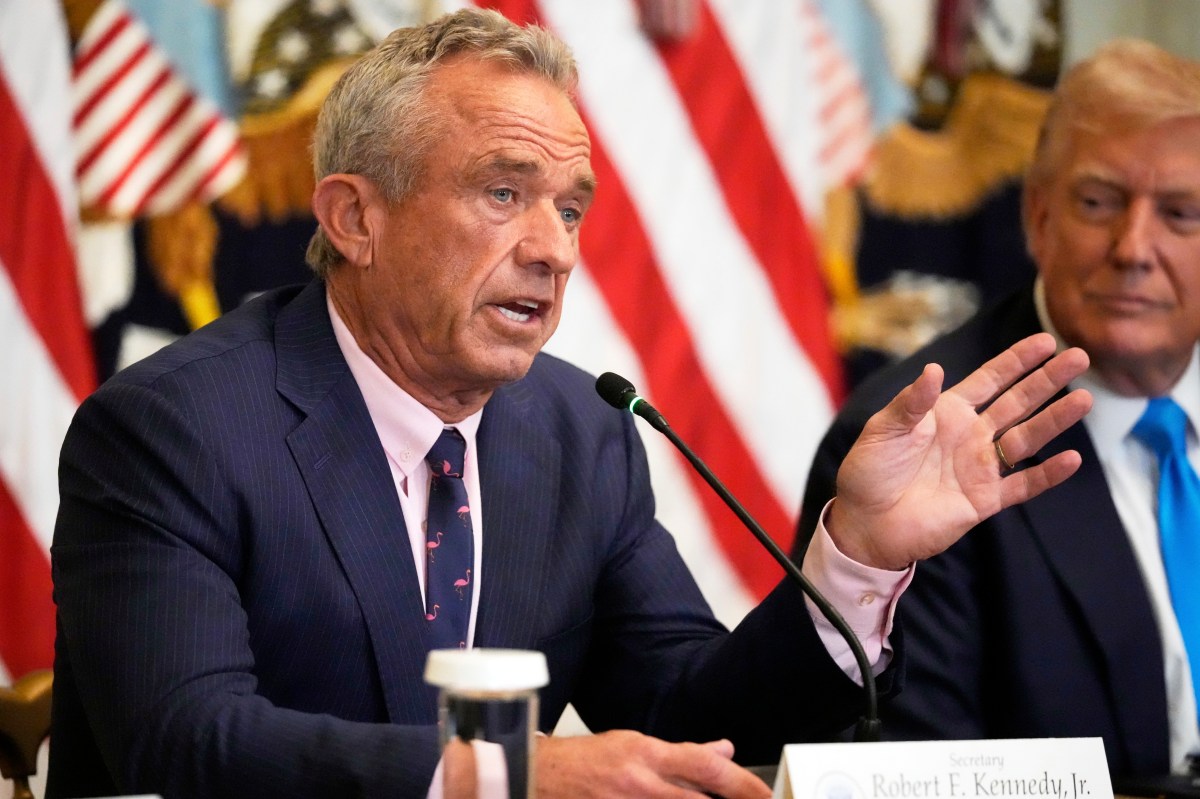
In an NBC interview, Treasury Secretary Scott Bessent defended Trump’s stance, framing it as a strategic geopolitical decision. He emphasized that U.S. control over Greenland would serve the interests of not just the United States, but also of Europe.
As discussions continue, the Danish government has opted not to attend the Davos forum, a decision that reflects the current diplomatic climate. The World Economic Forum confirmed that attendance matters are left to the discretion of individual governments.
While Trump’s letter has drawn significant attention, it remains unclear how these developments will affect U.S.-European relations moving forward. As leaders prepare for the upcoming summit in Davos, the focus will likely be on addressing the geopolitical implications of Greenland’s future.