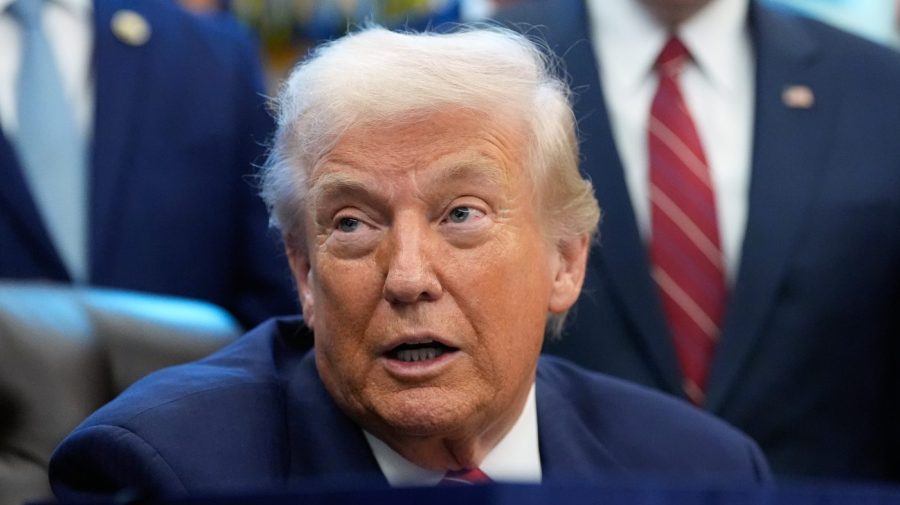
U.S. President Donald Trump has initiated the formation of a controversial “Board of Peace,” aiming to address global conflicts, yet the reception among Western allies has been lukewarm. The board has garnered support from several Middle Eastern monarchs and notable figures, including Alexander Lukashenko, often referred to as Europe’s last dictator. While approximately 35 of the 50 invited nations are expected to attend a signing ceremony on January 18, 2024, during the World Economic Forum in Davos, concerns about the board’s structure and its implications for the United Nations have emerged.
The concept of the Board of Peace was initially introduced in September 2023 as part of a U.S.-brokered ceasefire plan for Gaza, which had been devastated by a prolonged conflict. Following endorsement from the United Nations Security Council in November 2023, the board’s mandate expanded beyond Gaza to encompass a broader mission of promoting stability and governance in conflict-affected regions globally. The draft charter, which was distributed along with invitations, notably omits any reference to Gaza, raising eyebrows among international observers.
Trump will serve as the board’s indefinite chairman, a role that could extend beyond a potential second presidential term. The board’s foundational structure includes key figures such as Jared Kushner, Secretary of State Marco Rubio, special envoy Steve Witkoff, and former British Prime Minister Tony Blair.
Accepted Invitations
Countries that have accepted the invitation include the United Arab Emirates, Saudi Arabia, Egypt, Qatar, Turkey, and several others from the Middle East and Central Asia. Notably, Israel‘s Prime Minister Benjamin Netanyahu has also agreed to participate, despite prior objections regarding the inclusion of Turkish and Qatari officials in the Gaza executive board. Agreements have also been reached with Armenia and Azerbaijan, who signed a U.S.-brokered peace deal last year.
Trump has described the board as having some “controversial people,” which may include Vladimir Putin, although the Russian leader has yet to confirm his participation. Reports indicate that Putin may consider using frozen Russian assets in the U.S. to cover the estimated $1 billion fee for a permanent seat on the board. This potential involvement has raised significant concerns regarding the appropriateness of including a nation currently engaged in military conflict.
Declined Invitations
Conversely, several nations have declined or remain undecided about joining the Board of Peace. France and Norway have declined, citing concerns over the board’s operations in relation to the UN. Ukrainian President Volodymyr Zelensky expressed his reservations, stating the difficulty of collaborating with Russia. Italian Prime Minister Giorgia Meloni indicated potential constitutional issues, while Irish Foreign Minister Helen McEntee stated she would consider the invitation carefully.
Concerns Over Legitimacy
The Board of Peace is facing scrutiny regarding its legitimacy and potential to undermine the UN’s established role in global governance. Critics point to the board’s expanded mandate and Trump’s indefinite chairmanship as factors that could disrupt existing international frameworks. Member states are expected to serve three-year terms, after which they must pay a substantial fee for permanent membership. Funds raised are reportedly intended for rebuilding Gaza, though concerns about corruption persist.
Trump’s suggestion that the board “might” replace the UN has intensified fears that it could serve as a platform to circumvent the organization established over 80 years ago to ensure global peace. The board’s charter criticizes “institutions that have too often failed,” without explicitly naming the UN, which has been a frequent target of Trump’s criticisms.
In response, Tom Fletcher, the UN’s top humanitarian official, affirmed that the United Nations “isn’t going anywhere,” emphasizing the organization’s enduring relevance in global affairs.
As the situation develops, the international community watches closely to understand the implications of Trump’s Board of Peace and its potential impact on existing diplomatic frameworks.