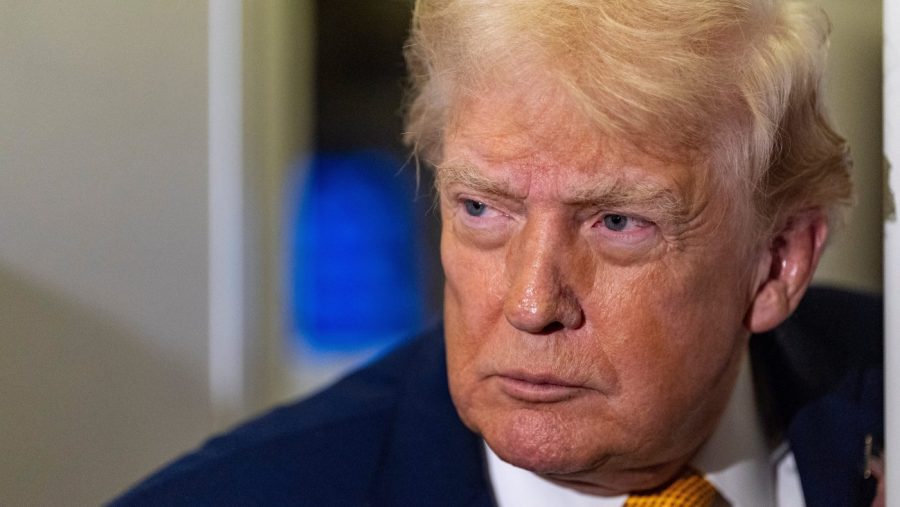
Venezuelan President Nicolás Maduro is set to appear in court on March 15, 2024, following an indictment by the Trump administration. This unprecedented legal action occurred over the weekend, as the US government moved to assert its influence in the South American nation. In a press briefing on Sunday night, President Donald Trump confidently stated, “We’re in charge,” clearly indicating a shift in control in Venezuela.
Maduro, along with his wife, was transported to a court in the United States on Monday morning. The legal proceedings are expected to focus on a range of charges brought against him, including allegations of corruption and human rights violations. This event marks a significant moment in the ongoing political crisis in Venezuela, which has seen the country’s economy deteriorate amidst widespread protests and international condemnation of Maduro’s government.
The court appearance will be closely monitored by international observers, highlighting the global implications of this situation. The US Congress is currently reconvening, and discussions are likely to include strategies for further action regarding Venezuela. Lawmakers have been vocal about their concerns over Maduro’s leadership, and the indictment may prompt renewed debates on US foreign policy in the region.
The Trump administration’s decision to indict Maduro is part of a broader strategy aimed at restoring democracy in Venezuela. Analysts suggest that this move could lead to increased tensions not only between the US and Venezuela but also among regional allies. As the situation develops, the international community is watching closely to see how this legal battle will unfold and its potential impact on the Venezuelan people.
As Maduro prepares for his court appearance, the implications of this case extend beyond legal boundaries. The outcome may shape the future of Venezuela and determine whether the country can navigate its way back to stability. With accusations of authoritarianism against Maduro intensifying, the court’s ruling could be pivotal in influencing public sentiment and international relations moving forward.