In a significant legal move, the Department of Justice (DOJ) under President Donald Trump has filed a lawsuit against the District of Columbia, seeking to overturn a ban on assault-style weapons, specifically the AR-15 rifle. The lawsuit, submitted on January 15, 2024, argues that the ban infringes on the rights of law-abiding citizens to possess firearms deemed common for personal use.
The nine-page document filed by the DOJ’s Civil Rights Division asserts that the District’s restrictions prevent citizens from registering a variety of widely used semi-automatic firearms, including the popular Colt AR-15. The lawsuit contends that these firearms are not only popular but are also essential for lawful purposes, thus protected under the Second Amendment of the United States Constitution.
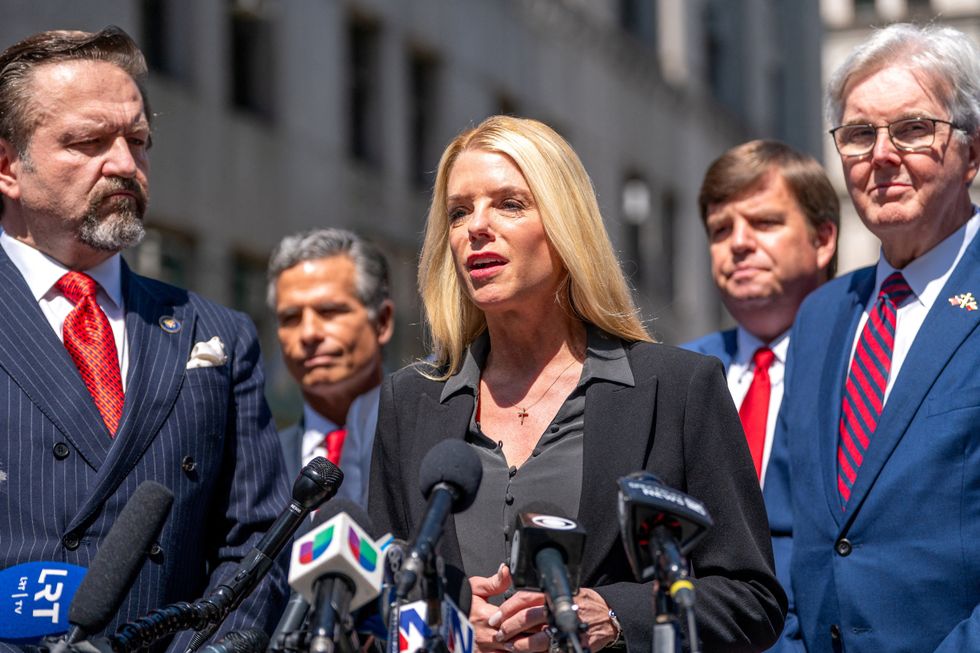
Attorney General Pamela Bondi emphasized the importance of the lawsuit, stating, “DC’s ban on some of America’s most popular firearms is an unconstitutional infringement on the Second Amendment.” Bondi further argued that living in the nation’s capital should not limit law-abiding citizens from exercising their constitutional rights to keep and bear arms.
The DOJ seeks a permanent injunction to prevent the District of Columbia from arresting or fining individuals for possessing the AR-15 and other firearms protected by the Second Amendment. The legal action underscores the administration’s commitment to safeguarding the rights of gun owners across the country, as articulated by Bondi in her statement.
The lawsuit arrives at a time when debates around gun control and Second Amendment rights continue to be contentious in the United States. Advocates for gun rights argue that restrictions on firearms disproportionately affect responsible gun owners, while opponents of such measures contend that stricter regulations are necessary to enhance public safety.
As this case progresses, it will likely draw significant attention from both sides of the gun control debate. The outcome may set important precedents regarding the interpretation of the Second Amendment and the regulatory powers of local governments over firearms.
The legal implications of this lawsuit extend beyond Washington, D.C. Should the DOJ succeed, it could pave the way for similar challenges to firearm regulations in other jurisdictions, potentially reshaping the landscape of gun ownership laws in America. As the case unfolds, it will be critical to monitor how both legal arguments and public opinion evolve in response to this high-profile litigation.