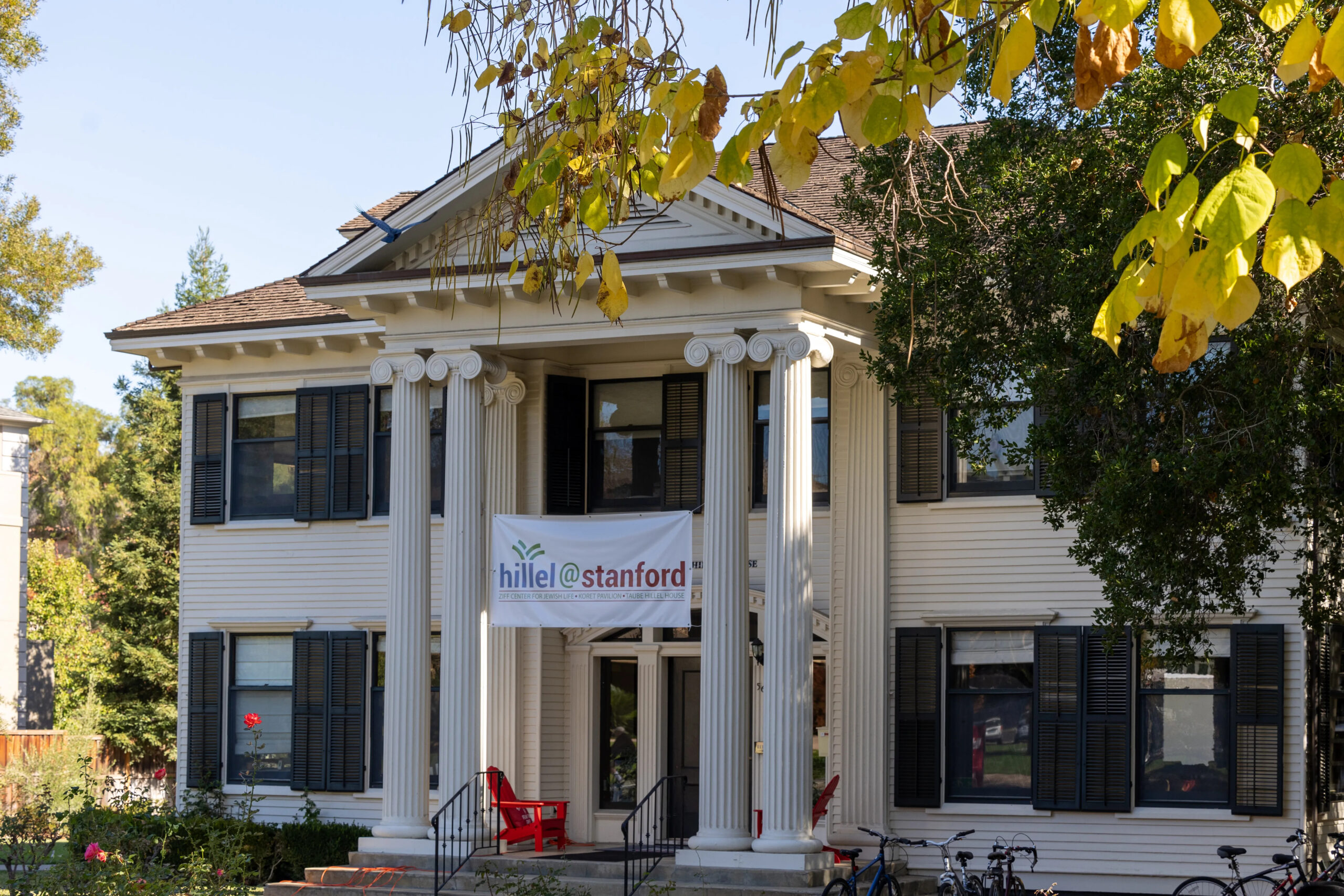
Stanford University is initiating an investigation and enhancing security measures following the receipt of antisemitic emails targeting its Jewish community. The emails, sent over the weekend, prompted the involvement of the FBI and local law enforcement agencies. This information was confirmed in a statement from the university on Monday morning.
The emails, which were directed at seven leaders from Stanford Hillel and other Jewish leaders on campus, contained unfounded accusations against members of the Jewish community. They threatened to monitor their activities and were also sent to The Stanford Daily’s Editor-in-Chief and Chief Operating Officer, as well as the Stanford University Department of Public Safety (SUDPS).
Details of the Antisemitic Communications
The authors of the emails claimed to be affiliated with a European “watchdog” group comprised of Stanford alumni. They communicated through an email address titled “exposingstanfordjews.” In a subsequent message, the group asserted that there were “acute credible threats” against the personal safety of Jewish undergraduate and graduate students at the university. This message was sent to various university departments, including the Office for Religious and Spiritual Life (ORSL) and the leadership of the Taube Center for Jewish Studies.
In response to these incidents, Patrick Dunkley, Vice Provost for Institutional Access, Equity and Community, expressed the university’s strong condemnation of the targeted harassment. He emphasized that the safety and well-being of the campus community are paramount, and the university is taking steps to support those affected.
Community Response and Historical Context
On Monday morning, Jessica Kirschner, Executive Director of Hillel and Senior Rabbi, addressed the Jewish community, acknowledging the distress caused by such emails. She reassured community members that those most directly impacted were coping well. Kirschner stated, “The best way I know to combat hate is to be proudly, deeply Jewish, and to keep building community with each other and with caring people across Stanford.”
This incident follows a troubling report from a University Subcommittee on Antisemitism and Anti-Israeli Bias (ASAIB) released over a year ago, which documented numerous antisemitic occurrences on campus. The report highlighted vandalism linked to swastikas and physical threats against pro-Israel students, concluding that antisemitism and anti-Israeli bias are “widespread and pernicious” at Stanford.
Kirschner noted a significant rise in antisemitic incidents over the past five years, particularly following the events of October 7, 2023. She remarked, “As much as we might think Stanford is a bubble, this follows national and international trends of increasing antisemitism. No one should do this to other people, and no one should have to receive it.”
In light of these events, the community’s upcoming Purim celebrations will proceed with increased security measures. Kirschner concluded, “We are proud of who we are and what we have to share as Stanford citizens. The best way to address hate is to strengthen the bonds of mutual connection and trust.”