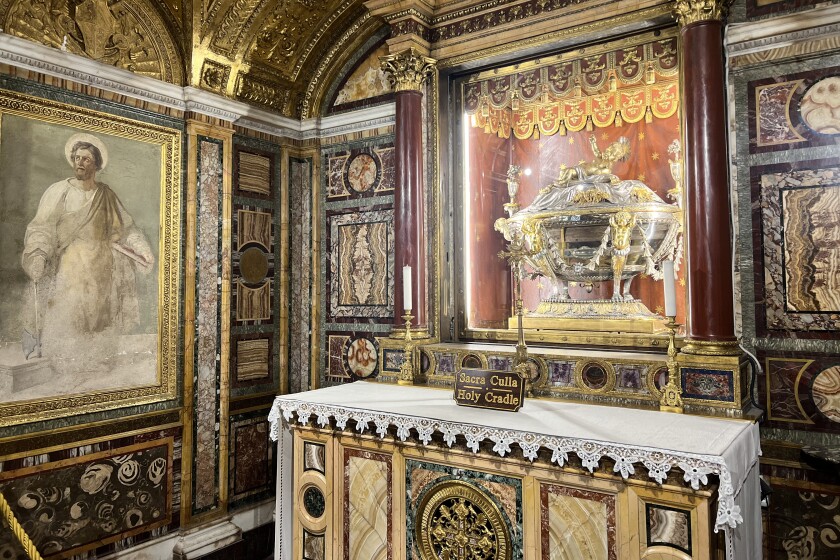
The recent trip to Italy sparked a profound reflection on the state of faith and spirituality, particularly in the context of the Christian Church. During the journey, the historical significance of key religious sites came alive, revealing a rich tapestry of devotion marked by the relics of saints, such as the “sacra culla,” or Christ’s cradle, and pieces believed to be from the true cross. This exploration underscored the strength of those who have upheld the Christian faith through centuries of challenges, both historic and contemporary.
Despite the overwhelming historical presence of Christianity in Italy, a disheartening sentiment emerged. Reports from local residents indicated a waning enthusiasm for organized faith, with many viewing the Church as a relic of the past. A taxi driver in Italy shared that only grandmothers tend to attend Mass, reflecting a broader trend of disengagement among younger generations. He noted, “I talk to God in my cab,” suggesting a more personal, albeit isolated, approach to spirituality.
During a visit to the Basilica of St. Augustine, which houses the remains of St. Monica, the mother of St. Augustine, an unsettling encounter occurred in Siena. A young worker shouted a disparaging remark about faith, illustrating a disconnect between the rich history of Christianity and the current attitudes of some Italians. This incident served as a stark reminder of the challenges facing the Church today, particularly in regions like Nigeria, where persecution against Christians remains a pressing issue.
Yet, amidst these observations, a sense of optimism began to take shape. Echoing sentiments expressed by various pastors from the local diocese, there is a growing belief that a spiritual revival is on the horizon, particularly in the Heartland region. Observers note that while Europe often looks back to its religious roots, there is a forward momentum in the New World that may lead to a resurgence of faith.
The notion of revival is not merely wishful thinking. The experiences and reflections shared during this journey point to a larger narrative of hope. As the Holy Doors, touched during the Jubilee Year of Hope, begin to close, it is believed that a new chapter of faith is just beginning. This hope is poised to spread outward, impacting communities far beyond the Heartland.
As preparations for this spiritual awakening continue, individuals are encouraged to engage with their faith more actively. The revival anticipated in the Heartland is seen not just as a local phenomenon but as a potential catalyst for transformation across regions. The message is clear: readiness for change is essential as communities reflect on their spiritual journeys and the potential for renewed faith.