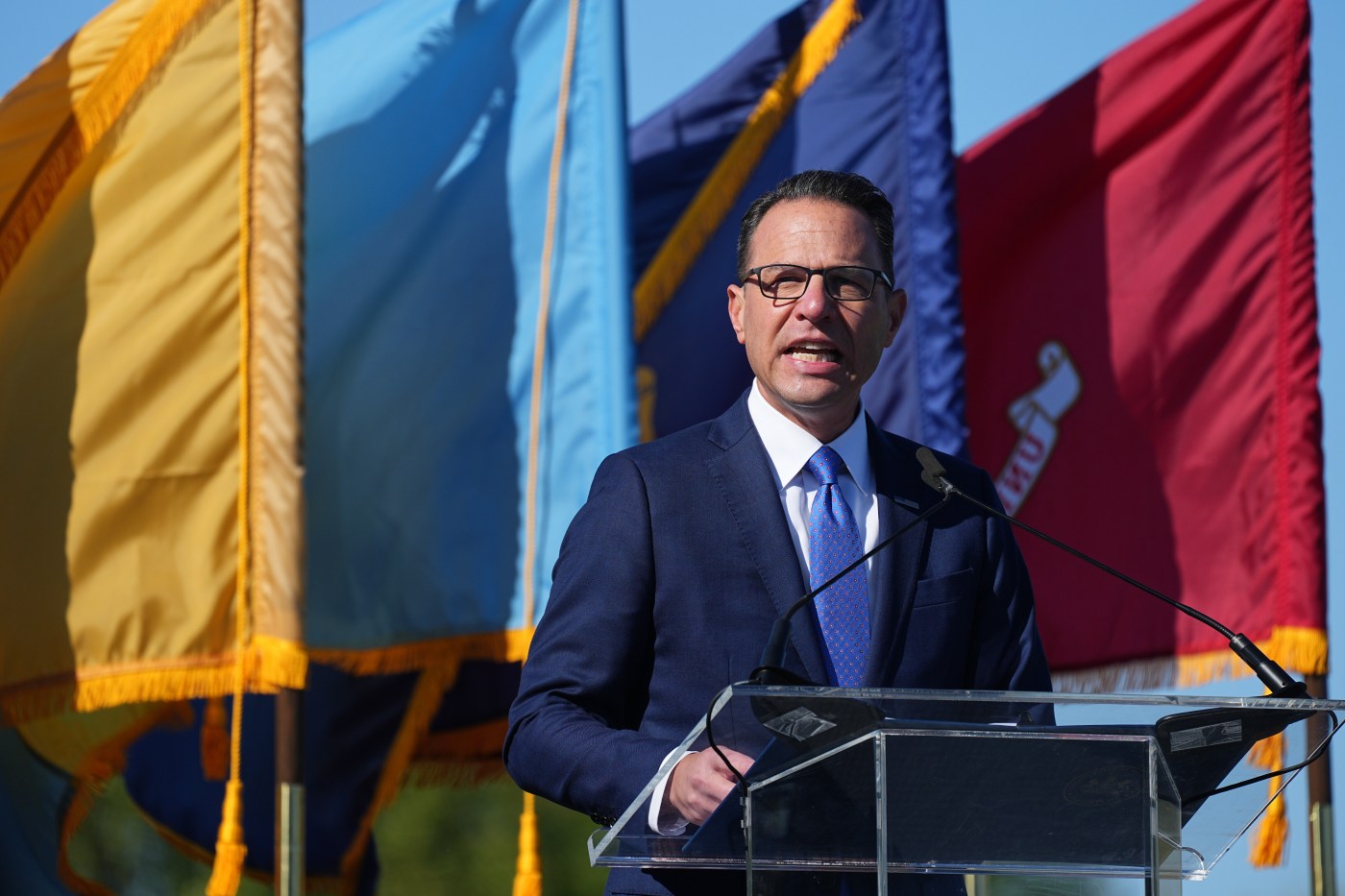
As the race for the 2028 Democratic presidential nomination heats up, California Governor Gavin Newsom currently leads the field, bolstered by a recent win on Proposition 50. Polls indicate that Newsom holds a significant advantage, with a 6-point lead over Vice President Kamala Harris in the RealClearPolitics polling aggregator. However, Pennsylvania Governor Josh Shapiro is emerging as a serious contender who could challenge Newsom’s frontrunner status.
Shapiro, while not as nationally recognized as Newsom, has garnered attention, especially during the summer of 2024 when he was considered as a potential running mate for Harris. Though lacking a strong national profile early in his political career is not necessarily a drawback—historically, figures like Barack Obama overcame similar challenges—Shapiro faces specific hurdles should he enter the race. His centrist views may alienate a Democratic base increasingly leaning towards the left, particularly in light of his support for Israel and his Jewish identity, which may be contentious among some primary voters.
Despite these challenges, Shapiro possesses significant strengths that could bolster his candidacy. Notably, he has successfully won elections in Pennsylvania, a crucial swing state that plays a pivotal role in presidential races. His electoral track record includes victories as attorney general and governor, where he has consistently appealed to a broad voter base. According to a Quinnipiac poll, Shapiro would likely defeat potential Republican challenger J.D. Vance by a solid 10-point margin in a hypothetical 2028 matchup, indicating strong support from independent voters.
In the context of recent electoral dynamics, Shapiro’s ability to connect with moderate swing voters could be vital for a Democratic victory. As noted by Binyamin Applebaum in the New York Times, winning Pennsylvania is crucial for any Democrat aiming for the presidency, making Shapiro’s potential candidacy worth serious consideration.
Shapiro’s governance has been marked by significant achievements that resonate with Pennsylvania constituents. Since taking office, he secured a $20 billion investment from Amazon, allocated over $1 billion to support farmers, and facilitated the hiring of more than 1,500 police officers. These initiatives, alongside historic educational funding and tax cuts, showcase his commitment to tangible outcomes in governance, contrasting with a political climate often dominated by partisan disputes.
Republicans acknowledge Shapiro’s potential threat, with GOP strategist David Urban remarking that any opponent facing him would find the contest challenging. Shapiro’s reputation for pragmatism and his focus on delivering results rather than engaging in divisive rhetoric have contributed to his popularity. The Pittsburgh Post-Gazette has highlighted his “Get (expletive) done” approach, reflecting a dedication to practical governance.
While his centrist stance may appeal to a broader electorate in a general election, it poses a risk in the Democratic primaries, where progressive ideologies hold considerable sway. Shapiro’s more conciliatory approach towards Republicans as governor could be perceived as a lack of commitment to the party’s more progressive base, particularly as he refrained from aggressively pursuing opportunities to redraw Pennsylvania’s electoral maps during a recent redistricting fight.
Adding complexity to his candidacy is the issue of his support for Israel and the challenges he faces as a Jewish candidate. Incidents such as an attack on the governor’s residence, which was motivated by his pro-Israel stance, highlight the potential risks associated with his position. This situation may influence perceptions of his candidacy, especially among primary voters prioritizing strong anti-Trump credentials.
In conclusion, should the Democratic Party aim for a successful bid in the 2028 election, Shapiro represents a formidable candidate capable of appealing to moderate voters. Nevertheless, he must navigate the challenges posed by the party’s leftward shift and his own policy positions. The upcoming years will be crucial in determining whether Shapiro can position himself as a viable alternative to Newsom and other potential candidates within the Democratic landscape.