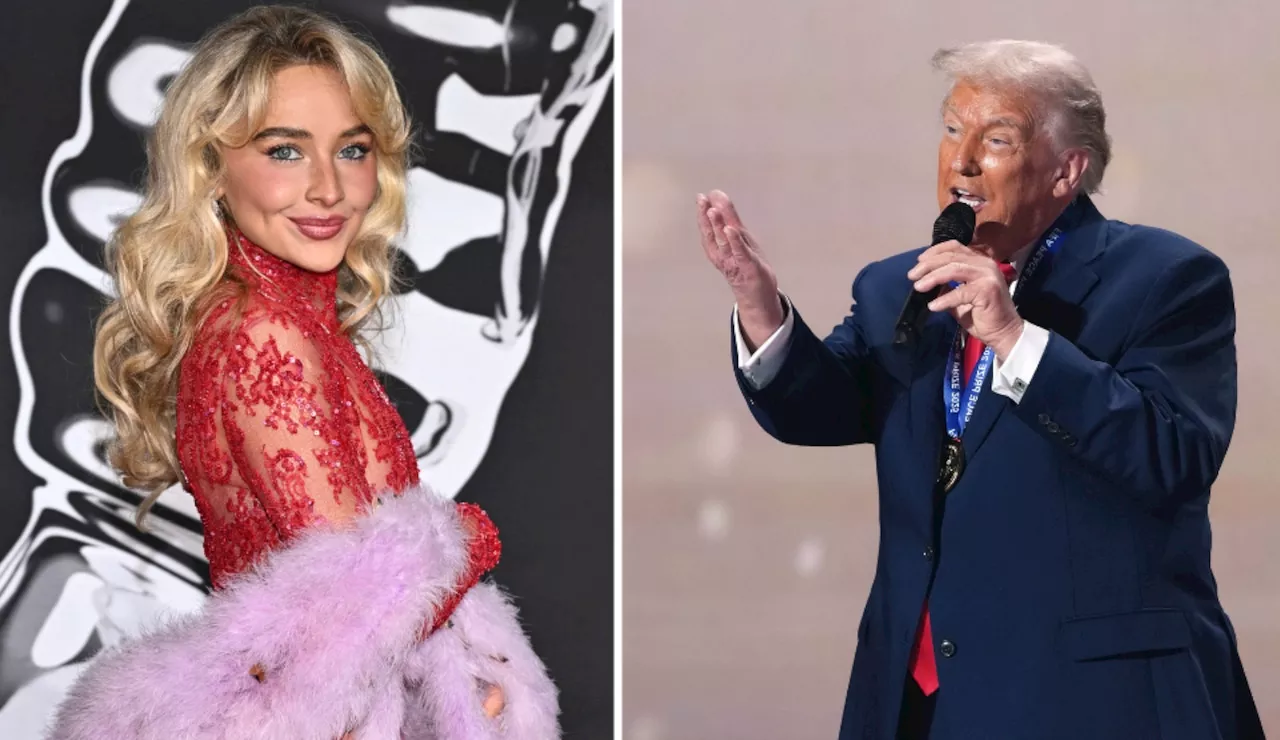
Pop star Sabrina Carpenter prompted the White House to remove a controversial video that featured her song, “Juno,” after she labeled its use as “evil and disgusting.” The video depicted U.S. Immigration and Customs Enforcement (ICE) agents apprehending individuals during immigration actions and drew widespread criticism following Carpenter’s condemnation.
On March 15, 2024, Carpenter voiced her disapproval on social media, stating, “This video is evil and disgusting. Do not ever involve me or my music to benefit your inhumane agenda.” Her statement quickly gained traction among fans and supporters, leading to significant pressure on the White House to take action.
In response, Abigail Jackson, a spokesperson for the White House, initially defended the video, claiming it illustrated the administration’s efforts to remove “dangerous criminal illegal murderers, rapists, and pedophiles” from the country. Jackson’s remarks included a manipulative edit of Carpenter’s lyrics, which altered the context of her song. The audio was modified to suggest she stated, “I think I might need to arrest someone for being too illegal,” replacing the original phrase “too hot” with “too illegal.”
This escalation of the conflict raised concerns regarding the ethical implications of utilizing a celebrity’s music in political messaging without their consent. Carpenter’s strong reaction and the subsequent removal of the video highlight the ongoing tensions between public figures and government entities over the use of artistic works.
The situation underscores the power of social media in influencing political decisions, as Carpenter’s condemnation resonated widely, prompting the administration to reconsider its approach. The incident has sparked discussions about the boundaries of artistic expression and the responsibilities of public institutions when it comes to representing individuals’ work.
As the dialogue continues, Carpenter remains a prominent voice in the entertainment industry, advocating for the separation of art from political agendas. The incident serves as a reminder of the critical role that artists can play in shaping public discourse and holding institutions accountable for their actions.