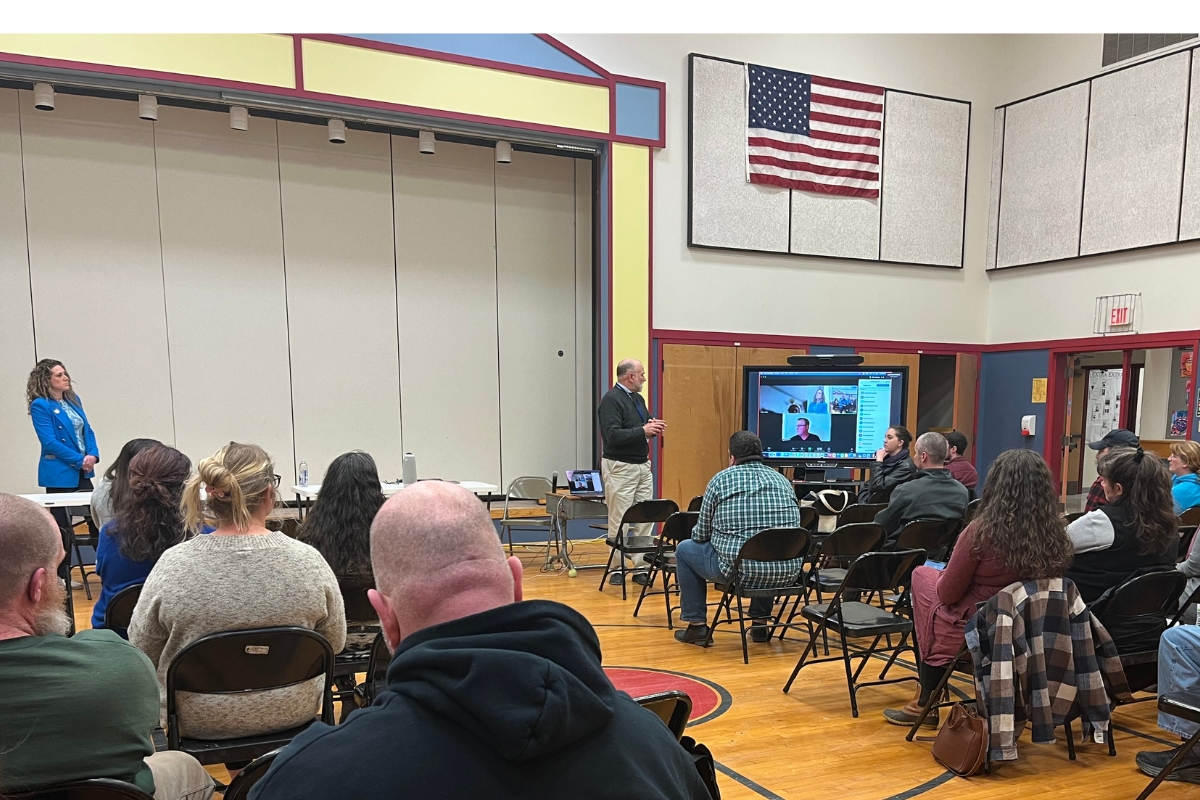
The RSU 71 school board is set to vote on Monday regarding the potential closure of Kermit Nickerson Elementary School in Swanville. This decision follows a proposal from the administration aimed at reducing costs within the district. If the board approves the measure, all students currently enrolled at Nickerson would be moved to another school, potentially without further community input.
At a recent meeting, interim superintendent Bob England stated that the board has the authority to relocate the students without requiring a community vote. Residents of Swanville will later be asked to decide whether to retain the school building itself. The administration has suggested that closing the school at the end of the current academic year could save the district approximately $450,000. Additionally, leasing the building to another entity could generate an extra $90,000.
Concerns regarding the decision-making process have surfaced within the Swanville community. At a heated meeting last month, parents and teachers expressed their worries about transparency and the rapid pace of the proposed closure. Many feel that the district has not provided sufficient data to support claims that closing the school would ultimately benefit local students.
Parent Cooper Reed, who has a third grader at Nickerson, voiced frustration over the lack of clarity surrounding the voting process. “I want what’s best for the district. I think it could have been done more thoughtfully and intentionally,” Reed remarked. “This is really harmful in terms of parents’ trust toward the school district.”
Currently, Kermit Nickerson Elementary School serves nearly 60 students. Should the closure proceed, these students would transition to Captain Albert Stevens School in Belfast for the next academic year.
With significant financial implications at stake, the upcoming vote will determine not only the future of the school but also the level of community engagement in educational decisions affecting their children. The board’s decision could set a precedent for how similar situations are handled in the future, emphasizing the need for clear communication and transparency within the district.