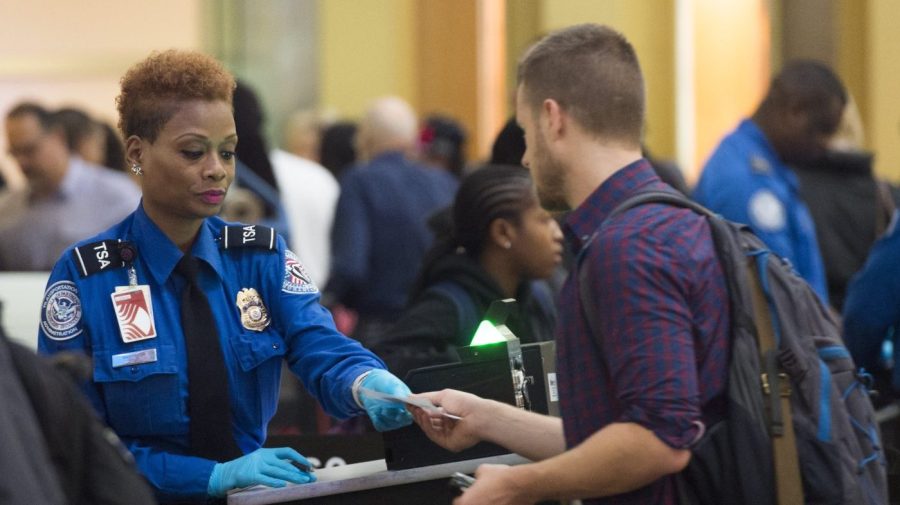
As the U.S. prepares to implement mandatory REAL ID requirements for air travel, concerns are mounting regarding the associated fees. Critics argue that introducing a fee for obtaining a REAL ID may hinder access to air travel rather than enhance security.
Beginning in March 2025, all domestic air travelers will need a REAL ID-compliant form of identification to board flights. This measure, mandated by the U.S. Department of Homeland Security, is intended to bolster national security by ensuring that all identification meets stricter federal standards. However, the introduction of a fee for obtaining this ID could disproportionately affect low-income individuals and families.
Critics of the REAL ID fee assert that it could create barriers to travel for those already struggling with financial constraints. The cost of obtaining a REAL ID varies by state, but estimates suggest fees could range from $20 to $50. Given that many travelers rely on air travel for both leisure and essential purposes, imposing this fee raises ethical concerns about accessibility.
Implications for Travelers and Airlines
The potential impact of this fee extends beyond individual travelers. Airlines may see a decline in ticket sales as lower-income passengers become deterred by the additional cost of obtaining a REAL ID. In a statement, the Airlines for America trade group expressed concerns, emphasizing that “air travel should be accessible to everyone, regardless of financial status.”
The association also highlighted that while security is paramount, the focus should remain on improving existing systems rather than adding financial burdens. Industry experts warn that implementing a fee could lead to increased frustration among travelers, further complicating the already challenging travel experience.
Additionally, the timing of this measure is notable. The aviation industry is still recovering from the impacts of the COVID-19 pandemic, which saw a significant drop in passenger numbers. As travel demand gradually rebounds, airlines are eager to attract as many travelers as possible, making the potential for reduced access due to additional fees particularly concerning.
Security vs. Accessibility Debate
Supporters of the REAL ID initiative argue that the enhanced security measures are necessary for the safety of all travelers. They maintain that the fees associated with acquiring a REAL ID are a small price to pay for increased safety in the aviation sector. Proponents point to the importance of having reliable identification to prevent identity fraud and ensure that all passengers are who they claim to be.
Nevertheless, the debate continues. Many advocates for social equity argue that security measures should not come at the cost of accessibility. Groups such as the American Civil Liberties Union have raised alarms about the implications of a fee, suggesting that it could disproportionately affect marginalized communities and limit their ability to travel.
With the deadline for compliance approaching, discussions surrounding the REAL ID fee will likely intensify. The balance between security and accessibility will remain a key talking point among policymakers, advocacy groups, and the traveling public as the aviation industry navigates this new landscape.
As the March 2025 deadline looms, stakeholders across the spectrum will need to engage in dialogue to find solutions that prioritize both safety and equitable access to air travel. The implementation of the REAL ID requirements and the associated fees could serve as a litmus test for how the U.S. reconciles security needs with the fundamental right to travel freely.