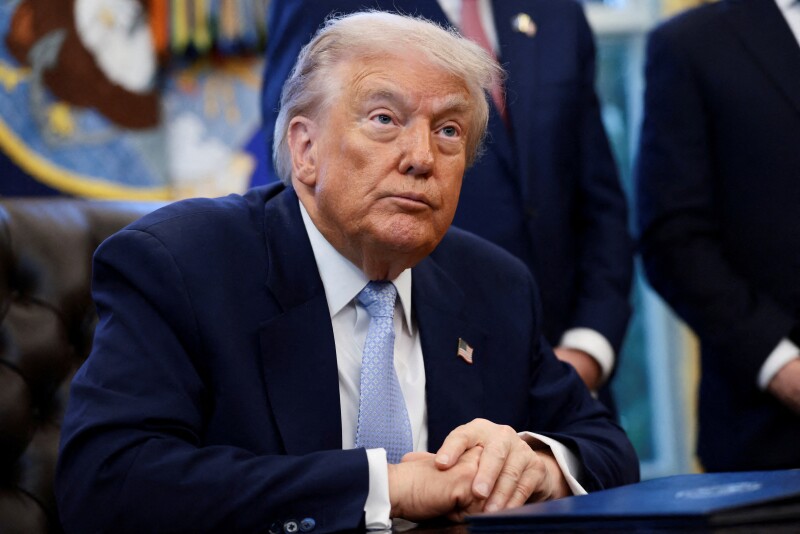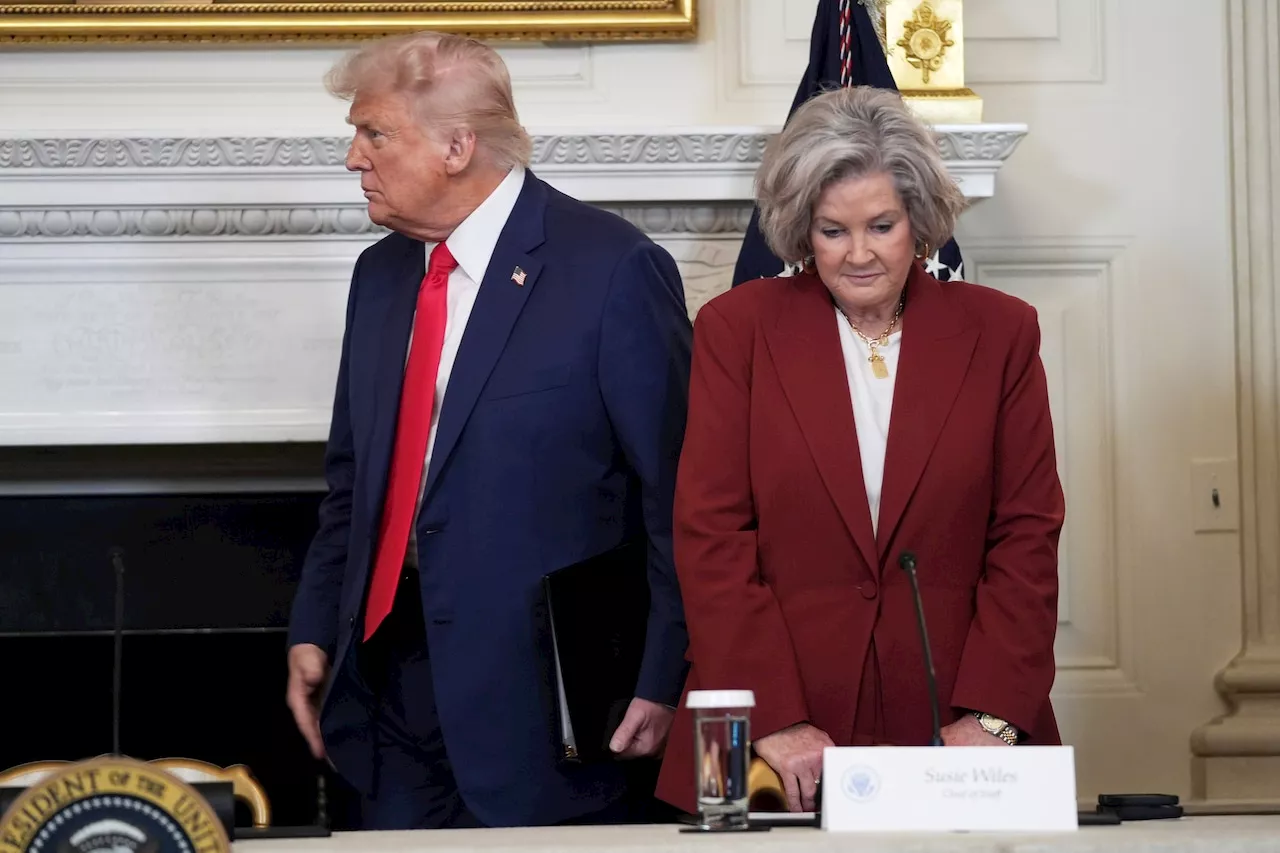
The conversation surrounding the current administration has intensified following comments made by the President’s chief of staff, Susie Wiles. In an interview with Vanity Fair, Wiles expressed that her boss governs with “a view that there’s nothing he can’t do. Nothing, zero, nothing.” Her remarks have sparked debate about the implications of such confidence, especially when coupled with the President’s apparent disregard for constitutional limits.
Wiles’ assertion raises critical questions: Does the President believe in his extraordinary abilities, or does he perceive himself as having the authority to govern without constraints? The evidence supporting the notion of exceptional talent is tenuous, particularly when considering the President’s record on global issues like peace. His management style, often characterized by dismissing staff rather than fostering collaboration, further complicates the narrative of competence.
Claims of Authoritarian Intent
The more troubling aspect of Wiles’ statement lies in the President’s expressed intention to operate with dictatorial power. On multiple occasions, he has outlined his desire to act decisively from the outset of his term. This was made starkly clear during an August 2025 cabinet meeting, where he stated, “I can do whatever I wanna do. I’m the President.” Such declarations have raised alarms about the potential erosion of democratic principles and the Constitution itself.
The President’s approach suggests a willingness to prioritize personal authority over established legal frameworks. This perspective was echoed in his campaign promises, where he indicated a readiness to bypass traditional governance norms. Critics argue that this mindset poses significant risks to the balance of power within the government.
While confidence in leadership can be a positive trait, the implications of unchecked power present a complex challenge. The President’s belief in his capabilities, coupled with a dismissive view of constitutional checks, raises concerns about the future of democratic governance in the United States.
As the political landscape evolves, observers are left to contemplate the potential ramifications of a leader who embraces such a philosophy. The tension between presidential confidence and constitutional limitations will likely remain a focal point in discussions about governance and accountability.
The dialogue surrounding these issues is crucial, as it underscores the importance of maintaining checks and balances within the political system. A strong democracy relies on a clear understanding of the limits of power, as well as the necessity for leaders to operate within those boundaries. With the President’s current approach, the implications for the future of U.S. governance remain uncertain and deeply concerning.