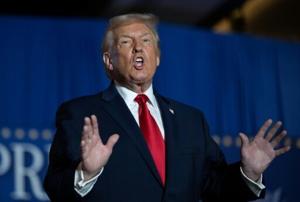
A prominent taxpayer advocacy group has called on President Donald Trump and Congress to take immediate action regarding the escalating federal debt. The National Taxpayers Union warns that the increasing burden of interest payments and long-term spending commitments is exerting significant pressure on the federal budget. This plea comes in light of a recent report from the Congressional Budget Office (CBO), which projects that federal debt held by the public could reach a staggering 120% of gross domestic product (GDP) by 2036.
According to the CBO, the federal government is expected to borrow approximately $26 trillion between late 2025 and 2036, leading public debt to soar to around $56 trillion. Currently, the national debt stands at roughly 101% of GDP and is projected to rise steadily over the next decade.
In a statement released on Friday, NTU President Pete Sepp emphasized the immediate impact of this growing debt burden on American citizens. “Paying for past borrowing is already increasing the cost of living for Americans today,” Sepp said. “The problem compounds by the day. Congress and the President must act to address these structural spending problems before the mid-term elections this year.”
As the debt continues to rise, so too do interest payments. The CBO has cautioned that higher debt levels elevate the risk of fiscal crises and may restrict lawmakers’ ability to respond to emergencies or economic downturns. Larger debt loads can also lead to increased borrowing costs if investors demand higher interest rates. The CBO’s analysis indicates that debt relative to the size of the economy would reach the highest levels in American history, more than double the 50-year average of 51% of GDP.
Demographic trends compound this financial pressure. The ongoing retirement of the Baby Boomer generation is increasing the number of Social Security beneficiaries, as well as federal healthcare spending. Simultaneously, economic forecasts predict only modest growth in the coming years.
Sepp identified the core issue as a long-term structural imbalance. “The challenge is not temporary spending spikes or short-term economic conditions,” he remarked. “The yawning mismatch between long-term commitments and the resources available to finance them grows wider every year. The time to act is now.”
A recent poll conducted by Public Opinion Strategies for the NTU revealed that 89% of registered voters believe the country is facing an affordability crisis. The survey also found that 88% of respondents think the national debt, currently at $37 trillion, will eventually have a direct impact on their families. When asked about potential solutions to reduce the debt, 54% of those surveyed favored cutting government spending.
“Americans await leadership to identify real and salient solutions to these spending problems,” Sepp stated. “They know we cannot afford to keep racking up debt on the nation’s credit card while making interest-only payments anymore.”
Economists and budget analysts continue to debate the sustainable level of debt for the economy, with some estimates suggesting risks increase as debt approaches between 160% and 200% of GDP. However, the exact tipping point remains unpredictable. Despite this uncertainty, federal projections indicate ongoing increases in deficits and debt over the next decade, intensifying the need for lawmakers to consider whether spending cuts, tax increases, or other fiscal reforms are critical to stabilize the country’s financial future.