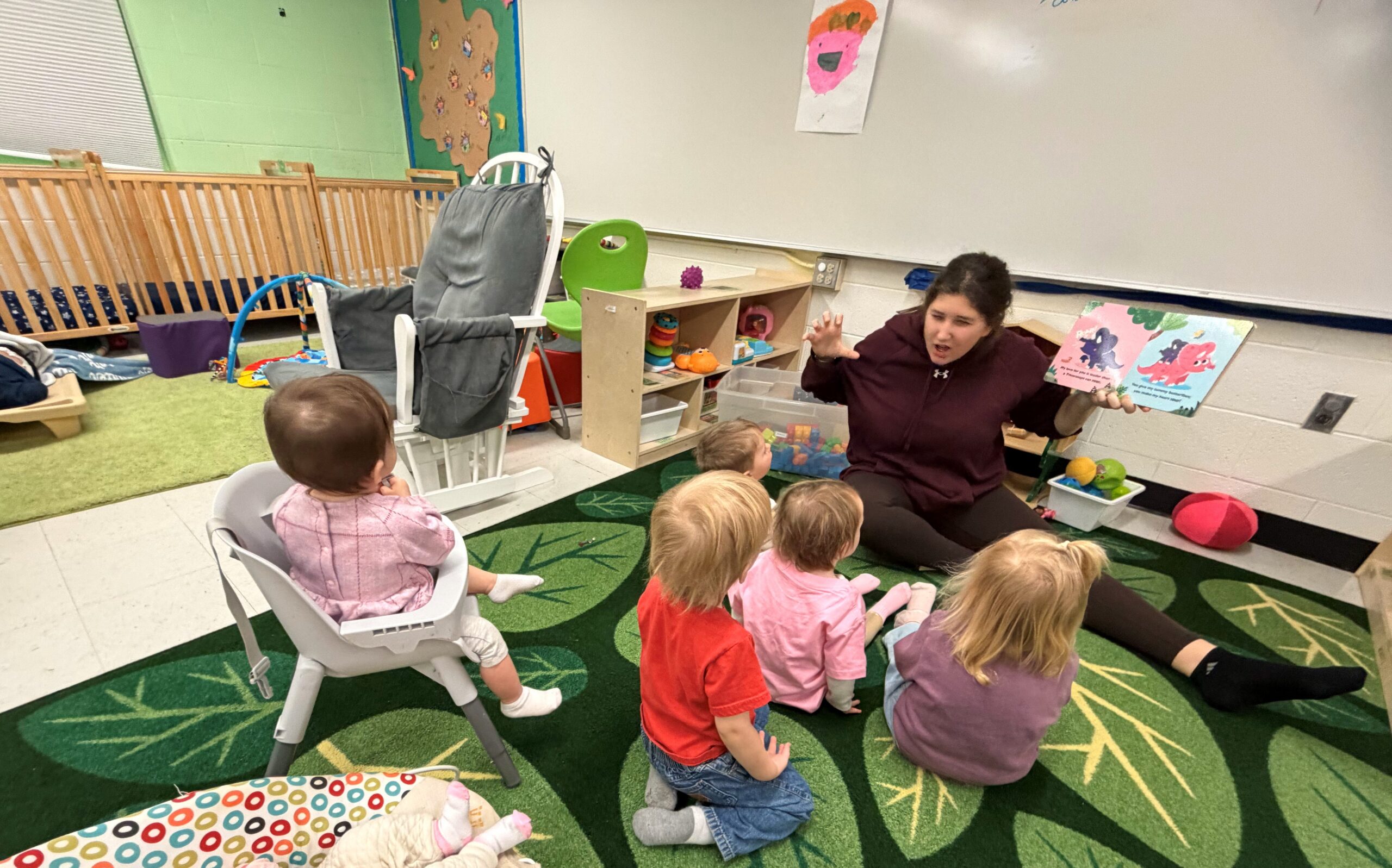
Approximately 2,500 childcare workers across Michigan are set to receive significant wage increases this year as part of a new pilot program initiated in November 2025. Full-time employees will benefit from an additional $300 in their monthly income, while part-time workers will receive $200. This financial support is seen as a crucial step towards addressing the ongoing challenges of low wages in the childcare sector, which has long struggled to maintain a stable workforce.
Wage Increases Provide Immediate Relief
For many childcare educators, this increase is transformative. Isabelle Winkler, a 19-year-old infant and toddler teacher at Early Impressions Preschool and Childcare in Jackson, expressed her surprise and relief when she learned about the wage boost during a staff meeting. “We had a lot of questions. Why? How? It was very uplifting,” she said. Prior to the increase, Winkler earned around $1,700 a month, which made it difficult for her to manage expenses such as college bills and car payments.
Angela Mentink, who has worked at Early Impressions for nearly 20 years, emphasized the importance of competitive wages. “It’s incredibly hard to keep staff in early childhood,” she noted. The median hourly wage for childcare workers in Michigan is currently $13.88, making it difficult to retain skilled employees. Many talented workers leave for better-paying jobs in other sectors, which has contributed to the high turnover rates in childcare.
Program Aims to Stabilize the Workforce
This wage boost is part of a state-funded subsidy pilot program designed to improve the financial stability of early childhood educators. The funding allocated for this initiative totals $16 million, and it’s set to last until September 30, 2027. The program aims to address one of the root causes of the childcare crisis: an unstable workforce due to inadequate pay.
According to MiLEAP director Dr. Beverly Walker-Griffea, the wage increases represent immediate support for those who care for and educate young children. “When we support educators, we strengthen the entire system,” she stated in a recent press release. The initiative’s design includes a weighted lottery system for selecting participating childcare providers, prioritizing those serving underserved communities and those operating in areas identified as childcare deserts.
As of March 3, 2026, all 10 Regional Child Care Coalitions in Michigan have secured the maximum $1.6 million in state matching funds, which will ensure that the wage subsidies reach providers across the state.
Winkler, who has felt the effects of the wage boost firsthand, remarked, “I was having a hard time paying my bills, and I was really praying for something to come along to keep me in this field because I love it so much.” With the additional income, she feels less financial pressure, allowing her to focus more on her passion for early childhood education.
The pilot program highlights the ongoing need for sustainable funding solutions to ensure the viability of the childcare industry. Mentink advocates for continued support, stating, “It’s incredible for my six employees. I’m relieved they can pay their bills. But I have 125 employees. I’m ready for the next steps.”
While the current wage pilot program offers hope, its temporary nature raises questions about long-term support for childcare workers. The lack of further funding commitments in Governor Gretchen Whitmer’s upcoming budget proposal has left providers and educators concerned about the future.
As the pilot continues, many childcare professionals in Michigan are optimistic about the potential for permanent solutions. Winkler encapsulated the sentiment shared by many in the field: “We are shaping the future of children. I truly believe we all deserve this.” The success of initiatives like this one could serve as a model for other regions facing similar challenges in the childcare sector.