The growing political divide in the United States has begun to shape personal relationships, particularly in the realm of dating. Many liberal Americans are openly expressing their reluctance to engage romantically with conservatives, citing fundamental differences in values and beliefs as key reasons for their preferences. This trend highlights the increasing polarization in American society, particularly since the tenure of former President Donald Trump.
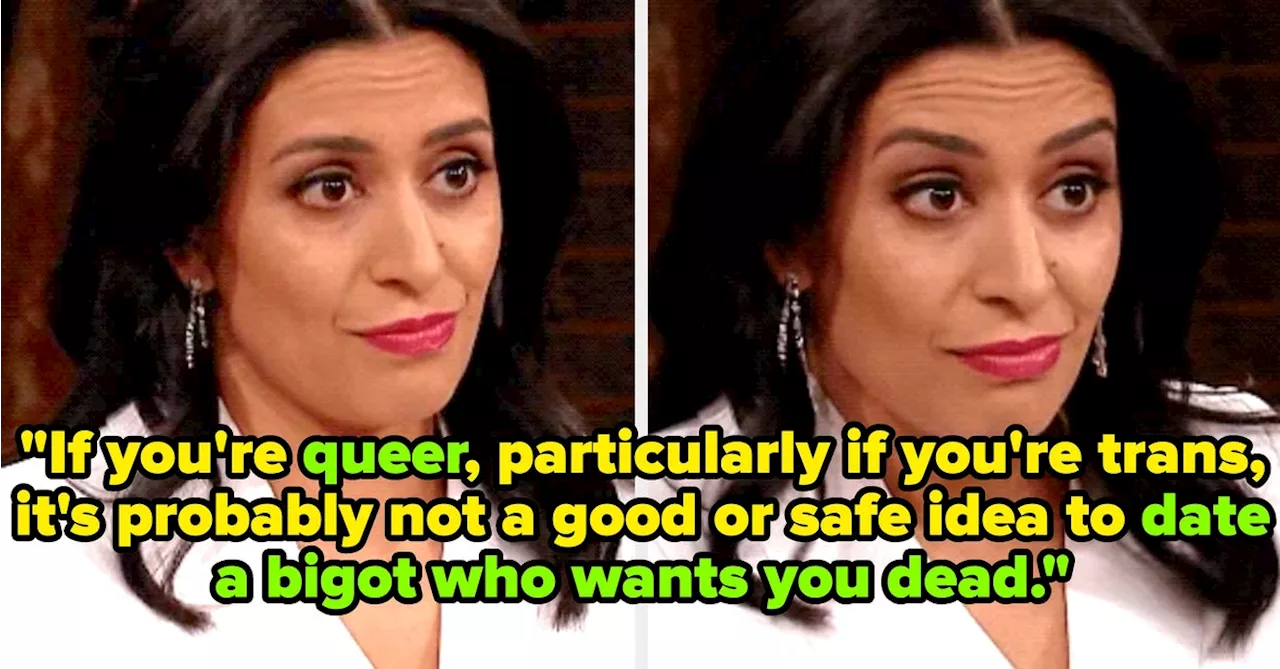
A significant number of individuals within the liberal community have taken to social media platforms to articulate their feelings on this matter. Comments range from concerns about personal safety to deeper issues of morality and respect. For members of the LGBTQ community, the stakes are particularly high. One individual remarked, “If someone wants to date me but also voted for a politician who campaigns on taking my rights away, I’m gonna decline.” This sentiment reflects a broader concern among LGBTQ individuals regarding dating someone who may not fully respect their identity and rights.
Moreover, the challenges extend beyond individual preferences. Many respondents noted that dating a conservative could jeopardize the comfort and safety of their social circles. One immigrant stated, “I just can’t imagine I’d date someone that I can’t safely bring around my friends and family.” This highlights the intersection of political beliefs and personal safety, emphasizing a reluctance to introduce partners who may harbor prejudiced views.
Concerns About Identity and Values
For many, dating someone with conservative views raises fears of being fetishized or objectified. Members of the BIPOC community express concerns about being seen as “exotic” rather than as equals within a relationship. “In my experience, a lot of conservative men also view women from other cultures as ‘exotic’ and often fetishize them,” one person noted. Such perceptions contribute to a wider discomfort with dating individuals who do not share similar cultural or moral values.
The issue of racism and white supremacy further complicates these interactions. One respondent stated, “Why would I want to date anyone in a party with Nazis when my grandfather fought Nazis in WWII?” This perspective underscores the emotional and historical weight that many liberals associate with dating conservatives. Even those who claim to be moderate or supportive of marginalized groups are often viewed with skepticism. As one commenter put it, “If you vote against my interests or even vote for someone who voted against my interests, then I simply don’t feel safe with you.”
The moral implications of political beliefs are becoming increasingly significant in dating considerations. Individuals are looking for partners whose values align with their own, particularly in areas such as human rights, gender equality, and social justice. A common refrain is that political views are not merely fiscal policies but reflect deeper moral convictions. “Politics is no longer just politics; it’s about morality,” one participant asserted.
The Broader Impact on Relationships
The implications of these political divisions extend beyond dating preferences to potential future relationships. Many individuals express concerns about co-parenting with someone who holds opposing views. Issues like gun control and reproductive rights are often non-negotiable for those who prioritize their personal beliefs. One parent shared a heart-wrenching story about the consequences of lax gun control, stating, “My cousin’s baby died because her gun-nut Republican husband didn’t store his guns properly.”
Furthermore, the emotional toll of navigating relationships with individuals who harbor fundamentally different worldviews can be exhausting. “Dealing with that is just too exhausting,” one liberal lamented, reflecting on the frustration of trying to bridge vast ideological divides.
In summary, the reluctance of many liberal Americans to date conservatives stems from a complex interplay of personal safety, identity, and moral beliefs. As political polarization continues to shape social dynamics, the dating landscape reflects these broader societal tensions. The voices of those who prefer to avoid conservative partners are increasingly vocal, advocating for relationships grounded in mutual understanding and shared values. As one individual succinctly put it, “Your time is valuable, so why would you waste it on someone who fundamentally believes the opposite of what you do?”