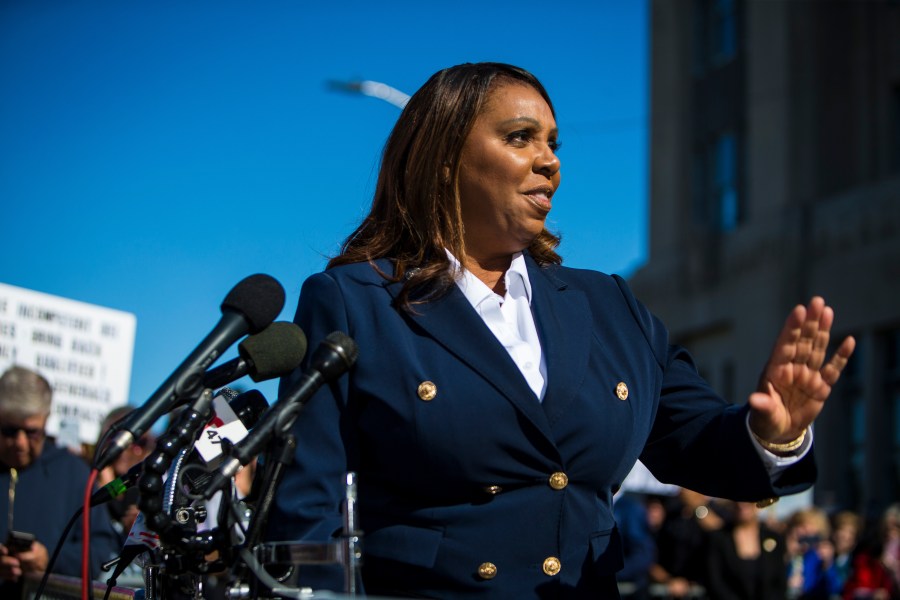
The U.S. Department of Justice (DOJ) has once again failed to obtain a new indictment against New York Attorney General Letitia James. This marks the second time this month that a grand jury has declined to approve charges following the initial case against her, which was dismissed in September 2023. The Associated Press reported that the grand jury’s refusal is tied to the earlier dismissal based on the unlawful appointment of Lindsey Halligan as acting U.S. attorney.
This latest development raises questions about the DOJ’s strategy and its ability to pursue charges effectively. The grand jury’s decision comes on the heels of significant legal scrutiny regarding Halligan’s status. A judge determined that her appointment did not comply with procedural requirements, leading to the dismissal of the initial case against James.
The implications of this case extend beyond the courtroom. Letitia James, who has held the position of New York Attorney General since 2019, is a prominent figure in state politics and has been active in various high-profile legal actions against former President Donald Trump and other entities. Her legal battles have garnered considerable media attention and public interest, making the outcomes of these proceedings particularly significant.
In the face of these legal challenges, James has maintained her position, asserting that the actions taken against her are politically motivated. The DOJ’s repeated failures to secure an indictment could potentially bolster her claims of political bias and raise concerns about the integrity of the prosecutorial process.
This situation reflects a broader pattern of challenges faced by the DOJ in high-stakes political cases. Legal experts emphasize the importance of having a solid foundation for any indictment, particularly in cases involving public figures. The failure to secure charges not only impacts the individuals involved but also shapes public perception of the justice system’s efficacy.
As this story develops, the focus will remain on the broader implications for both Letitia James and the DOJ. The legal landscape surrounding political figures is often fraught with complications, and the outcome of this saga will likely resonate within legal and political circles for some time.
The grand jury’s recent decisions underscore the complexity of legal proceedings in politically charged environments. Stakeholders are keenly observing how these developments will influence ongoing legal strategies and public sentiment toward the involved parties.