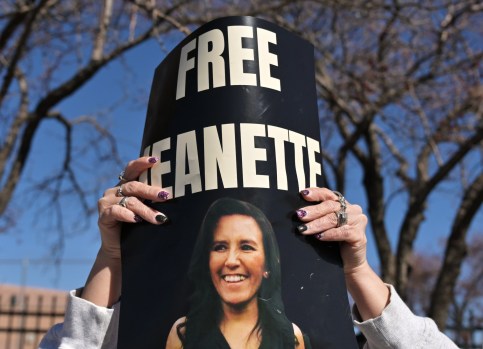
A federal judge has mandated that immigration authorities provide a bail hearing for detained activist Jeanette Vizguerra within the next week, offering her a possible route to temporary release. The ruling, issued on Wednesday in Denver, comes as Vizguerra has spent nine months in federal immigration detention after being arrested in March 2023.
The order from U.S. District Court Judge Nina Wang requires that Vizguerra be given the opportunity to seek bail before an immigration judge at the detention center in Aurora, Colorado, by December 24. According to attorney Laura Lichter, Vizguerra’s hearing is currently scheduled for Friday morning. If granted bail, she would remain out of detention while her immigration case is under review in the courts.
Vizguerra, a Mexico-born activist who has lived in the United States for over 30 years, has been fighting efforts by the U.S. Immigration and Customs Enforcement (ICE) to detain and deport her. Throughout her time in the U.S., she has consistently challenged deportation attempts, including a voluntary departure in 2011. Her activism gained significant attention, particularly during the first term of former President Donald Trump, when she sought sanctuary in a Denver church. In recognition of her efforts, TIME magazine named her one of the most influential people of 2017.
The recent ruling is significant as it highlights concerns regarding Vizguerra’s detention. Judge Wang noted that allegations of her being targeted due to her advocacy and speech raise “serious due process concerns.” This statement underscores the legal complexities surrounding her case, which might take “many months or even years” to resolve fully.
The activist’s arrest in March has been described by her attorneys as a strategic move by ICE to target her because of her public advocacy for immigrant rights. Following her detention, an ICE agent purportedly remarked, “We finally got you,” a comment that has fueled claims of politically motivated actions against her.
As Vizguerra awaits her bail hearing, the implications of this case extend beyond her personal circumstances, highlighting broader issues related to immigration enforcement practices and the treatment of those advocating for immigrant rights in the United States. This ruling could set a precedent for how similar cases are handled in the future, particularly regarding the intersection of activism and immigration policy.