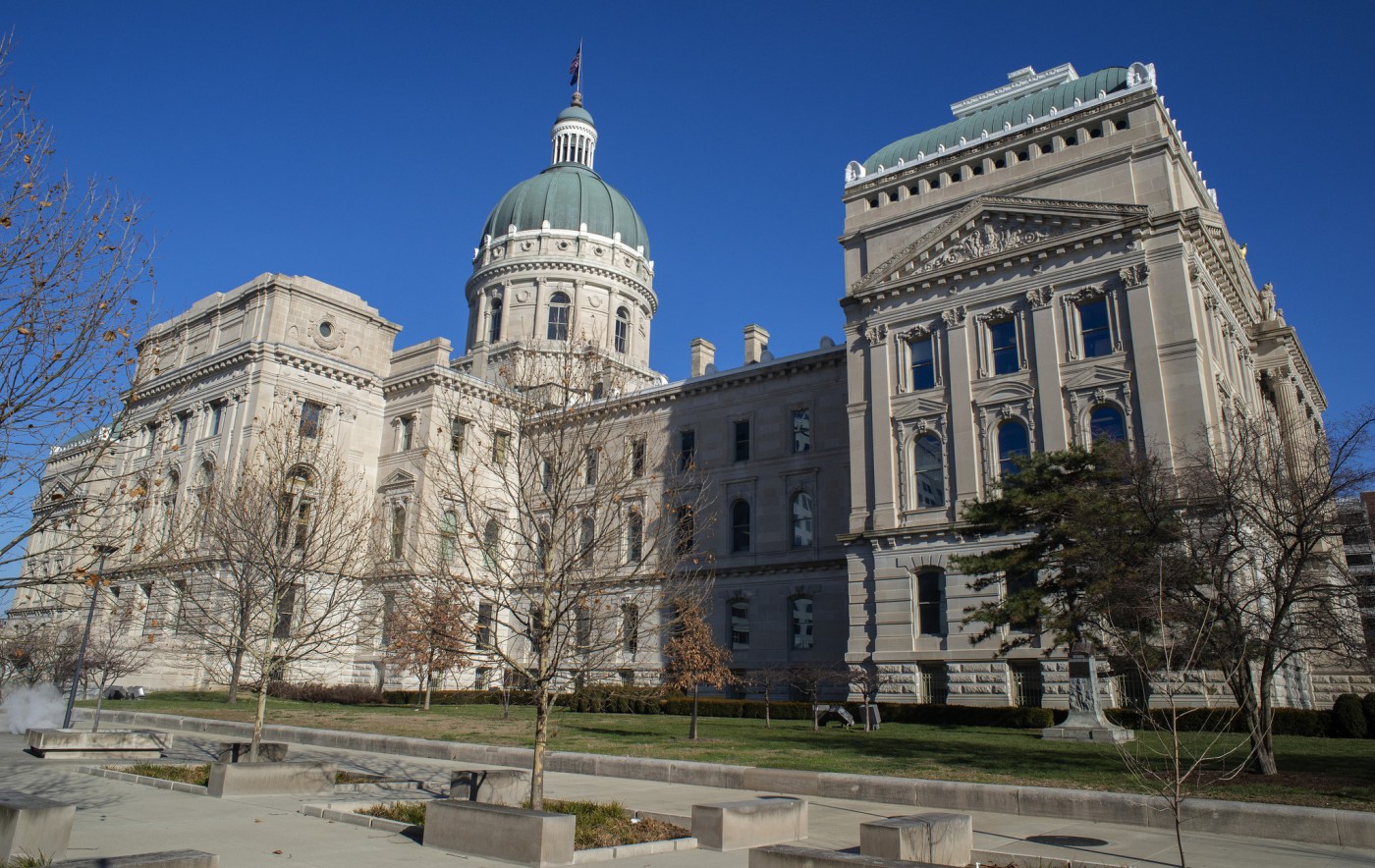
The Indiana House of Representatives passed a significant immigration enforcement bill on March 28, 2024, which grants local and state police the authority to enforce federal immigration laws. The legislation, known as Senate Bill 76, allows law enforcement agencies to collaborate with federal agents. Critics argue that the bill may not enhance community safety, as concerns mount over its potential implications for local policing.
Authored by State Sen. Liz Brown, Senate Bill 76 outlines that federal, state, and local law enforcement are permitted to enforce federal immigration laws. The bill mandates that the Indiana Department of Correction provide training to newly elected sheriffs on how to work with the U.S. Immigration and Customs Enforcement (ICE). Amendments made in the House Judiciary Committee last week by State Rep. J.D. Prescott sought to align the bill with his previously proposed FAIRNESS Act, aimed at fostering immigration reforms to enhance safety and security.
The bill has drawn criticism from various quarters, including Attorney General Todd Rokita, who previously admonished Brown for not advancing the FAIRNESS Act during her Senate committee chairmanship. Prescott defended the legislation, stating, “Senate Bill 76, also known as the FAIRNESS Act, is a strong, comprehensive measure to ensure full cooperation with federal immigration enforcement and ensure we don’t have sanctuary-style policies in Indiana.”
Under the new law, the Attorney General may initiate lawsuits against any government agency, educational institution, or jail that fails to comply with federal immigration enforcement, imposing penalties of up to $10,000 for each violation. The legislation stipulates that a governmental entity cannot be sued for adhering to the provisions of the bill. It also allows judges the authority to grant or deny bail for individuals detained under immigration detainer requests.
The bill includes provisions aimed at employers, making it unlawful for them to knowingly hire undocumented immigrants. Employers could face legal action from the Attorney General and may be required to report such individuals to the U.S. Department of Homeland Security. Additionally, the legislation requires the state legislature to receive data on non-citizens receiving benefits through various Indiana assistance programs, including Medicaid.
Supporters of the bill argue it aims to align Indiana’s policies with federal standards. Prescott noted the intention to prevent Indiana from becoming a sanctuary state, emphasizing the need for cooperation with federal authorities.
Opponents, however, raise concerns about the bill’s impact on local law enforcement and community trust. State Rep. Earl Harris criticized the measure, suggesting it would compel local police, schools, and hospitals to act as federal immigration officers, which could divert resources from public safety. “We don’t need to do this. Immigrants have played a huge role in this country,” Harris asserted.
Additionally, State Rep. Carey Hamilton highlighted fears that local police acting as immigration agents could undermine community trust. “This bill does nothing to keep our communities safe,” Hamilton stated, emphasizing that taxpayers do not support the diversion of resources away from public safety.
The bill’s provisions have sparked widespread debate among lawmakers. State Rep. Matt Pierce voiced concerns regarding the potential ramifications of the legislation, arguing it could lead to chaos and violence. He referenced previous incidents involving federal immigration agents, stating, “What we see is chaos and violence on the part of the federal government being spread throughout the land.”
While some members of the legislature support the bill, others remain skeptical about its implications. State Rep. Tim Wesco, the only Republican to publicly oppose the bill during the session, expressed concerns about the overreach of executive power in immigration matters, urging Congress to take action on comprehensive immigration reform.
The Indiana House approved Senate Bill 76 with a vote of 60-28, with all Democrats and some Republicans opposing the bill. The legislation now returns to the Senate for final approval following amendments made in the House. As the debate continues, the issue remains a focal point for both supporters and detractors, reflecting the complex dynamics surrounding immigration enforcement in the United States.