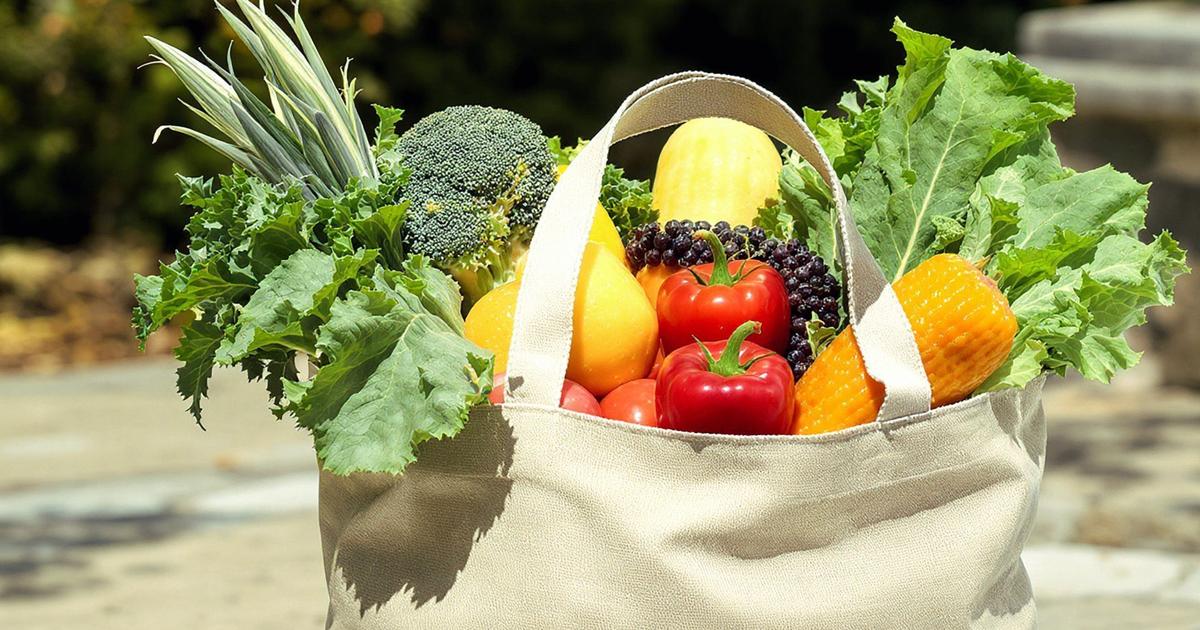
More than half of residents in Illinois will continue to pay a 1% grocery tax in 2024, despite the state government’s decision to halt collection of this tax as of January 1, 2024. This ongoing tax affects numerous communities, particularly in the west-central region of the state.
The Illinois Department of Revenue has confirmed that certain municipalities opted to maintain the tax, which was initially implemented to generate revenue for local services. Despite the state’s cessation of the tax, municipalities such as Jacksonville have chosen to keep it in place, impacting consumers who will see the tax reflected in their grocery bills.
Residents in affected areas, including those in west-central Illinois, can expect to pay an additional 1% on their grocery purchases. Local officials assert that the revenue is essential for funding vital community services. “This tax is a critical source of funding for our schools and public safety,” said Jacksonville’s Mayor, Andrew M. McCoy.
In light of this decision, local business owners are preparing for potential changes in consumer behavior. Many fear that the continuing grocery tax could influence shopping patterns, pushing some residents to seek alternatives in neighboring areas where the tax is not applied. This concern is particularly relevant as inflation and rising costs of living continue to strain household budgets.
The Illinois grocery tax has been a contentious issue, with debates surrounding its necessity and fairness. While some argue that the tax provides essential funding for local services, others contend that it disproportionately affects low- and middle-income families who spend a larger portion of their income on groceries.
As communities navigate the implications of this tax, local governments are tasked with balancing revenue needs against the economic realities faced by residents. The continuation of the grocery tax is expected to be a significant topic in upcoming town hall meetings, as residents voice their concerns and seek transparency about how the funds will be utilized.
Overall, the decision to maintain the 1% grocery tax reflects a broader trend in fiscal policy across various municipalities in Illinois. As the state grapples with budget challenges and community funding, the views of residents will play a crucial role in shaping future tax policies.