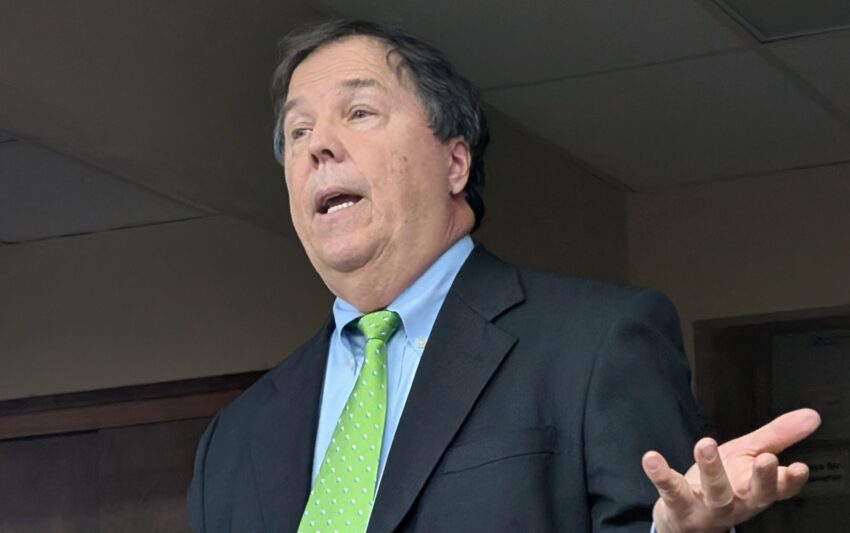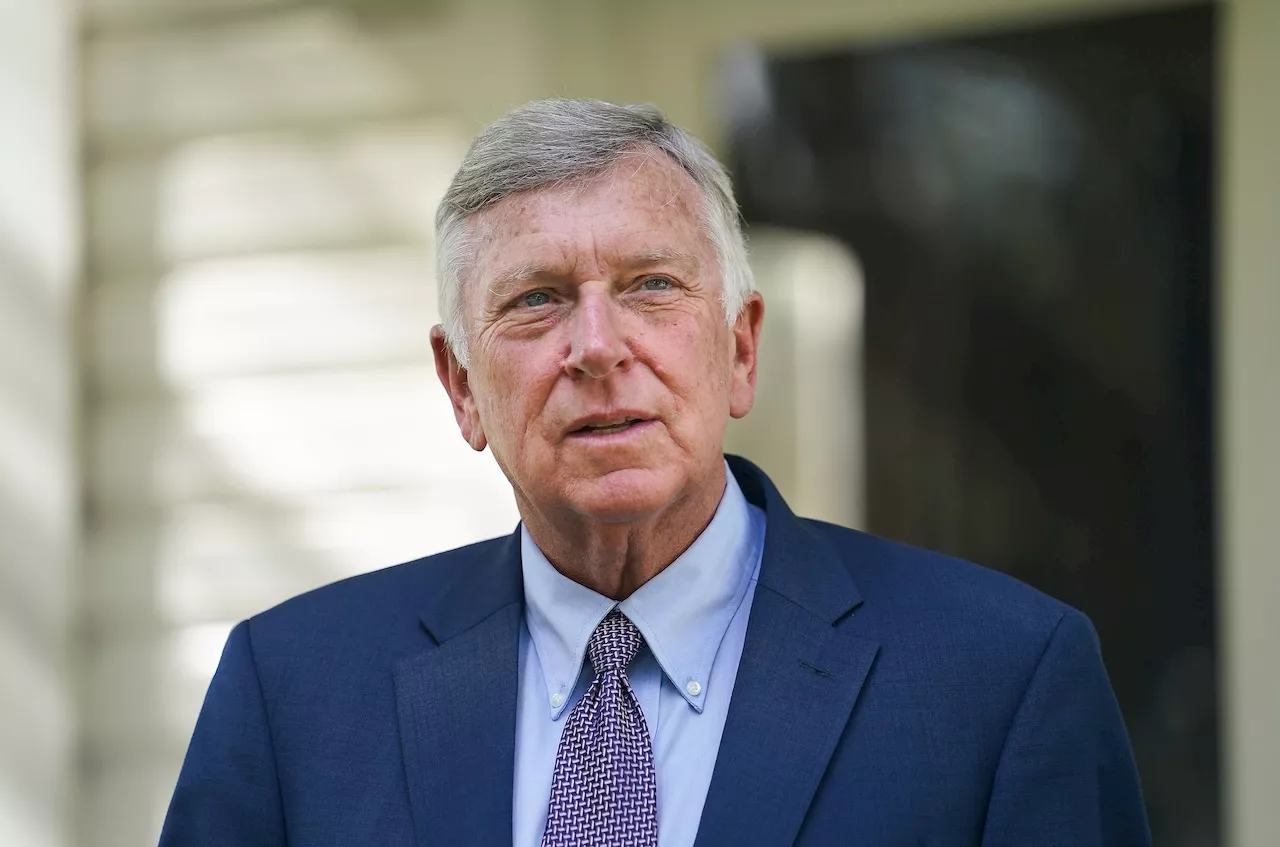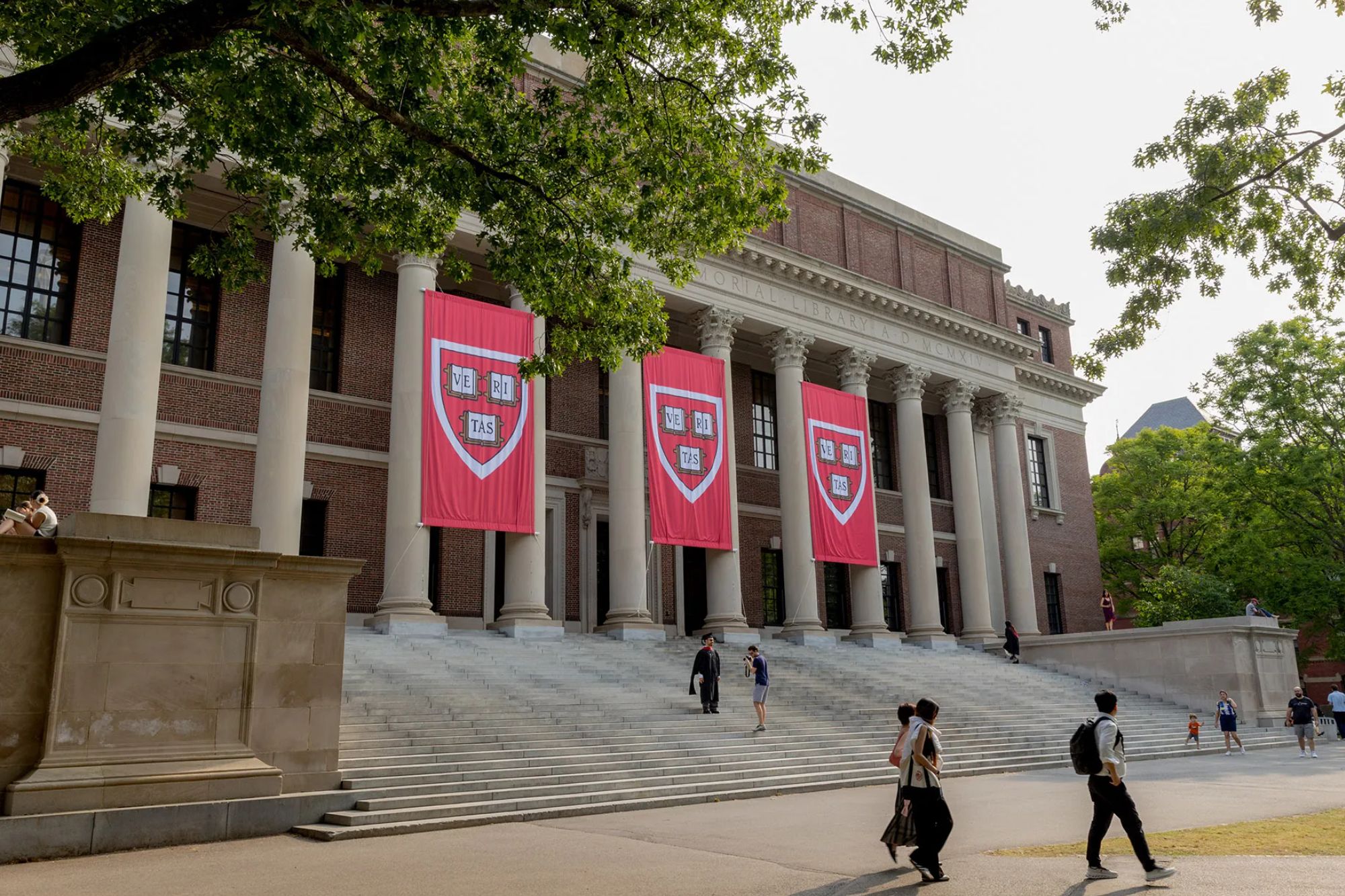
Harvard University is facing a significant shift in its academic focus, leading to the departure of prominent faculty members. James Hankins, a historian specializing in Renaissance thought, has left his position at Harvard for the University of Florida’s Hamilton School of Classical and Civic Education. His departure highlights a broader trend within Harvard, where traditional Western history is increasingly sidelined.
Hankins’s recent publication, The Golden Thread: A History of the Western Tradition, Vol. 1, contrasts sharply with the changing academic landscape at Harvard. Over the past decade, the university has not hired a tenured historian in any Western field, while it has lost eight senior historians due to retirement, death, or relocation. Hankins noted, “I will be the ninth, and I am not expecting to be replaced.” He emphasized that this loss is not solely Harvard’s but represents a more significant issue impacting the education of young Americans.
In an interview with Compact magazine, Hankins expressed concern over the replacement of Western history with a global perspective, which he argues has detrimental effects on students’ understanding of civilization. He stated, “When you don’t teach the young what civilization is, it turns out, people become uncivilized.” He criticized the current portrayal of historical narratives, where cultures historically deemed as barbaric are given undue emphasis as cultural innovators.
Hankins’s experience extends beyond the history department. He shared insights on the admissions practices at elite institutions, revealing an informal communication from an admissions committee member stating that admitting a white male student was “not happening this year.” This raises serious questions about equity and fairness in academic admissions.
The situation is compounded by the experiences of white male undergraduates at Harvard. Hankins cited a case in which the top student in his class, a white male, was denied admission to all graduate programs he applied to. “Everywhere it was the same story,” Hankins remarked, illustrating a troubling pattern in graduate admissions across the country.
Within Harvard, the academic environment is increasingly perceived as hostile towards conservative viewpoints. Hankins belongs to the small minority of faculty members who identify as conservative, and he is not alone in noticing the shift. Theda Skocpol, Harvard’s Victor S. Thomas Professor of Government and Sociology, acknowledged in an interview with the journal Sociologica that academia has “gone overboard with trying to boost some groups over others.” She pointed out that the focus on student feelings over academic standards has led to a decline in educational rigor.
Despite her acknowledgment of these issues, Skocpol’s comments also reflect the complexities of the current academic climate. She criticized the Trump administration’s approach to higher education, suggesting it stems from resentment rather than a genuine pursuit of equality. This remains a contentious issue within the broader discourse on academic standards and admissions practices.
The university’s leadership also faces scrutiny. Claudine Gay, Harvard’s recent president, has been criticized for her past scholarship, which has raised questions about academic integrity. Her compensation package, reportedly around $900,000, stands in stark contrast to the experiences of students like Hankins’ who feel marginalized by current policies.
The ongoing transformation at Harvard raises significant concerns about the future of higher education. As scholars like Hankins migrate to institutions perceived as more intellectually open, such as the University of Florida, it is evident that the shift from Western history to a more global perspective is not just a change in curriculum but potentially a threat to the university’s academic integrity.
As Harvard grapples with these changes, the implications extend beyond its campus. The broader academic community is left to consider how these shifts affect the quality of education and the development of critical thinking in future generations. If the trend continues, the impact on prestigious institutions may be profound, altering not only their reputations but also the educational experiences of students worldwide.