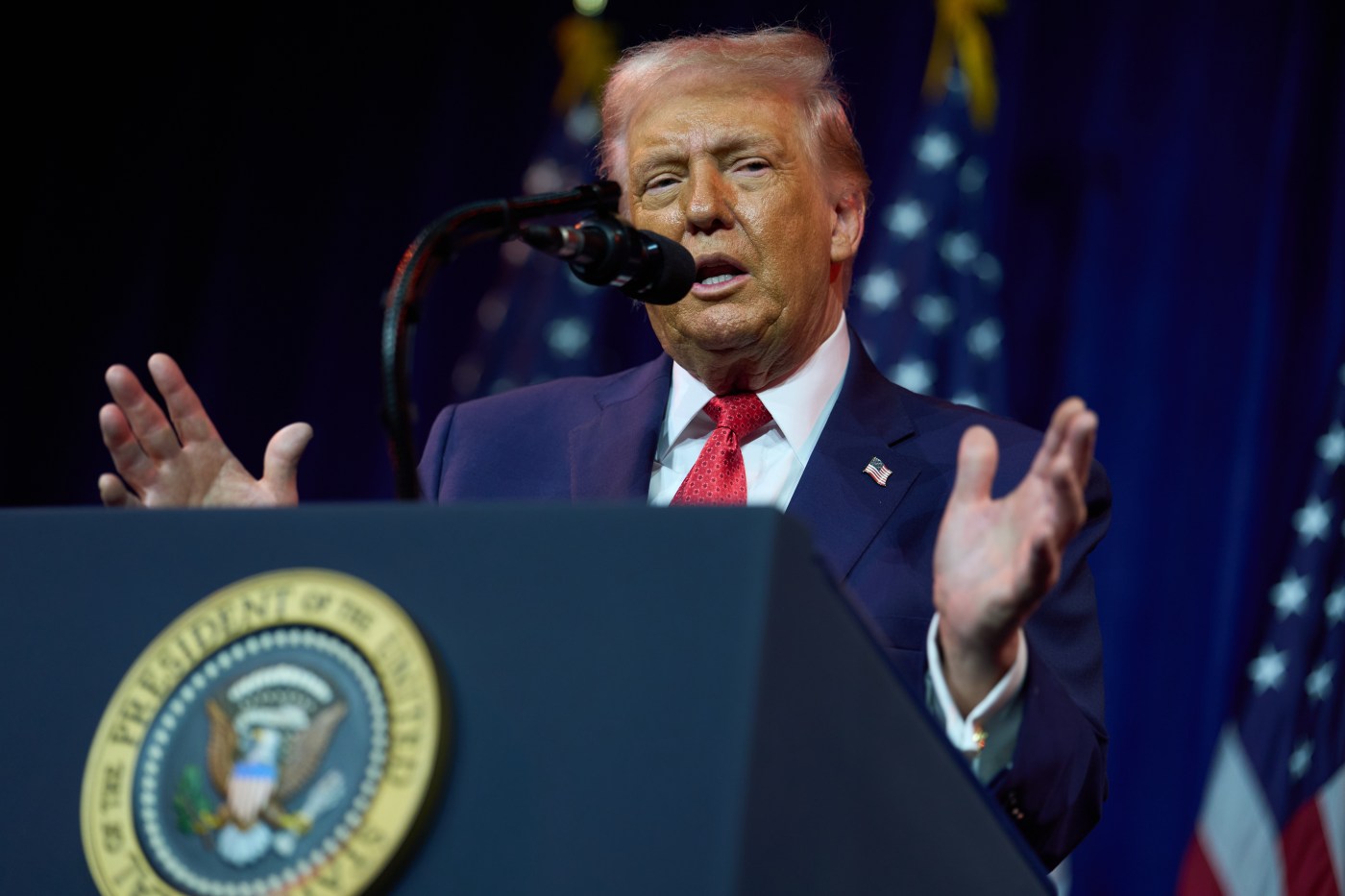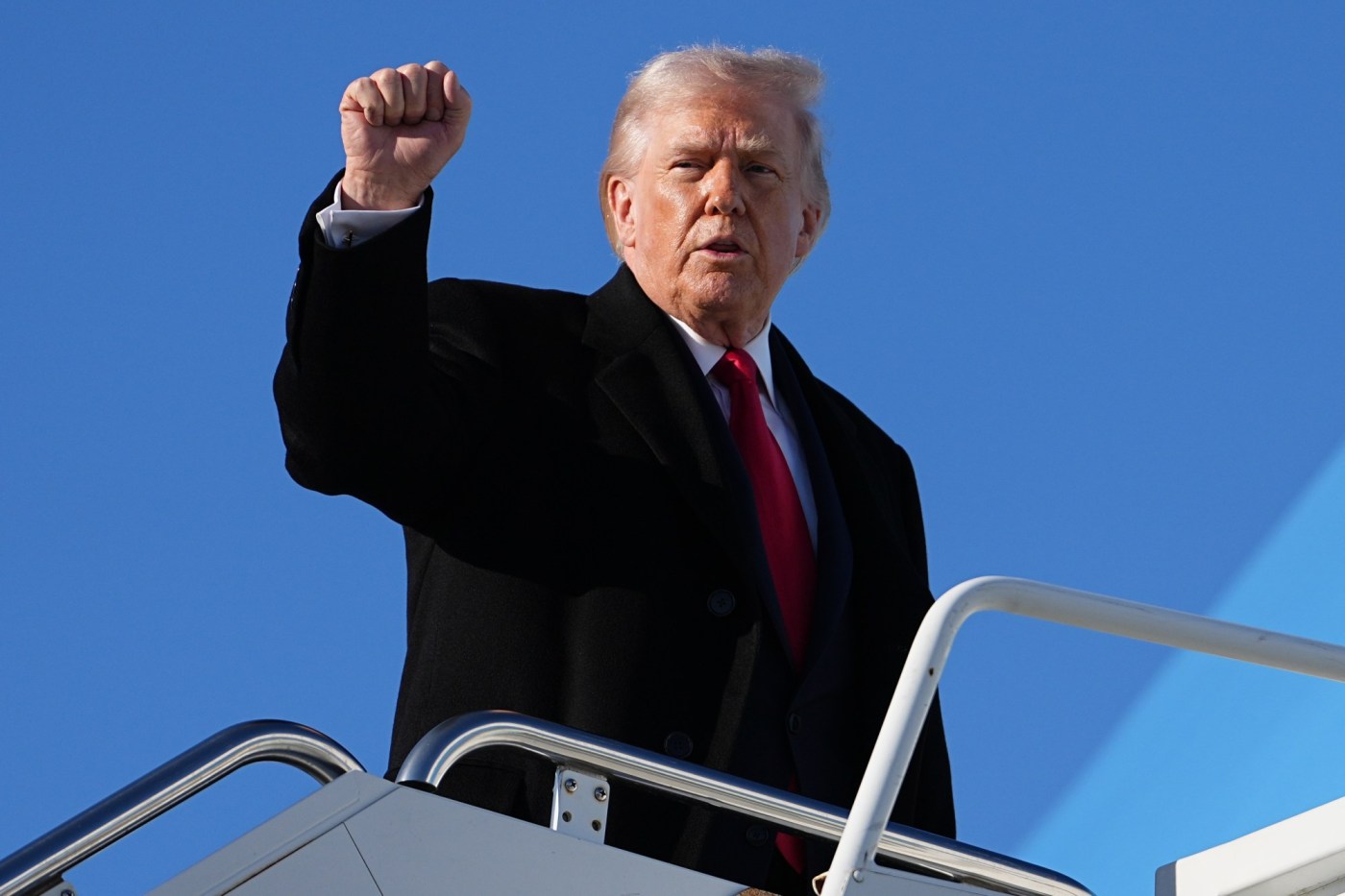
Recent commentary from conservative columnist Ross Douthat in The New York Times highlights a troubling trend for the Republican Party: Donald Trump is experiencing a significant decline in popularity. Douthat asserts that “a year into his second presidency, Donald Trump has lost the country.” This assertion, while potentially uncomfortable for some Republicans, reflects a broader sentiment that the party may need to confront.
Polling data indicates that Trump’s unpopularity is evident. The generic ballot, which measures voter preferences, currently shows Democrats gaining ground, moving from an eight-point lead in 2018 to a five-point lead today, with indications that this trend may continue. Republicans have historically relied on the assumption that their party’s unpopularity would outweigh that of the Democrats, but this perspective overlooks a crucial reality: many voters are increasingly disillusioned with both parties.
In recent special elections, the GOP has faced setbacks, losing significant races in traditionally Republican strongholds such as Texas and Georgia. These losses have been attributed to a combination of local issues, poor candidate selections, and internal party conflicts. The party’s failure to recognize the shifting political landscape could have dire consequences in upcoming elections.
While some Republicans have attempted to downplay these results by citing unique circumstances in various races, the pattern is clear. The GOP has lost eight state legislative elections in areas that have historically favored them. As more Republicans exit Congress—twenty-nine are leaving this year—it becomes increasingly apparent that there is a growing concern about the party’s direction and future.
In terms of economic policy, recent claims surrounding American steel production have also come under scrutiny. Peter Navarro, a key proponent of Trump’s tariffs, recently touted that American steel production has surpassed that of Japan for the first time in years. However, this claim oversimplifies the situation, as Japan’s production was impacted by maintenance issues. The reality is that American manufacturing remains challenged, with many consumers facing higher prices due to tariffs.
On immigration, the Department of Homeland Security has faced accusations of providing misleading information. Incidents involving American citizens detained by immigration authorities have raised questions about the transparency and accountability of the agency. Reports suggest that misinformation has led to increased frustration among the public, particularly as they perceive a disconnect between the government’s narrative and their personal experiences.
Recent polling suggests that the Democrats are now viewed as better equipped to handle inflation, a significant shift in public perception that could impact voter behavior. The Republican Party’s struggle to address this critical issue reflects deeper challenges within its current strategy.
Trump’s initial term was marked by economic growth and a more coherent approach to governance. Despite losing the 2020 election largely due to the pandemic’s impact, he had the opportunity to reset his approach. With the upcoming elections on the horizon, there is still potential for the GOP to recalibrate its message and reconnect with voters.
As the party grapples with these realities, it faces a critical juncture. Acknowledging the challenges ahead is essential for any course correction. The political landscape is in flux, and the Republicans must navigate these changes thoughtfully if they hope to regain their footing in future elections.