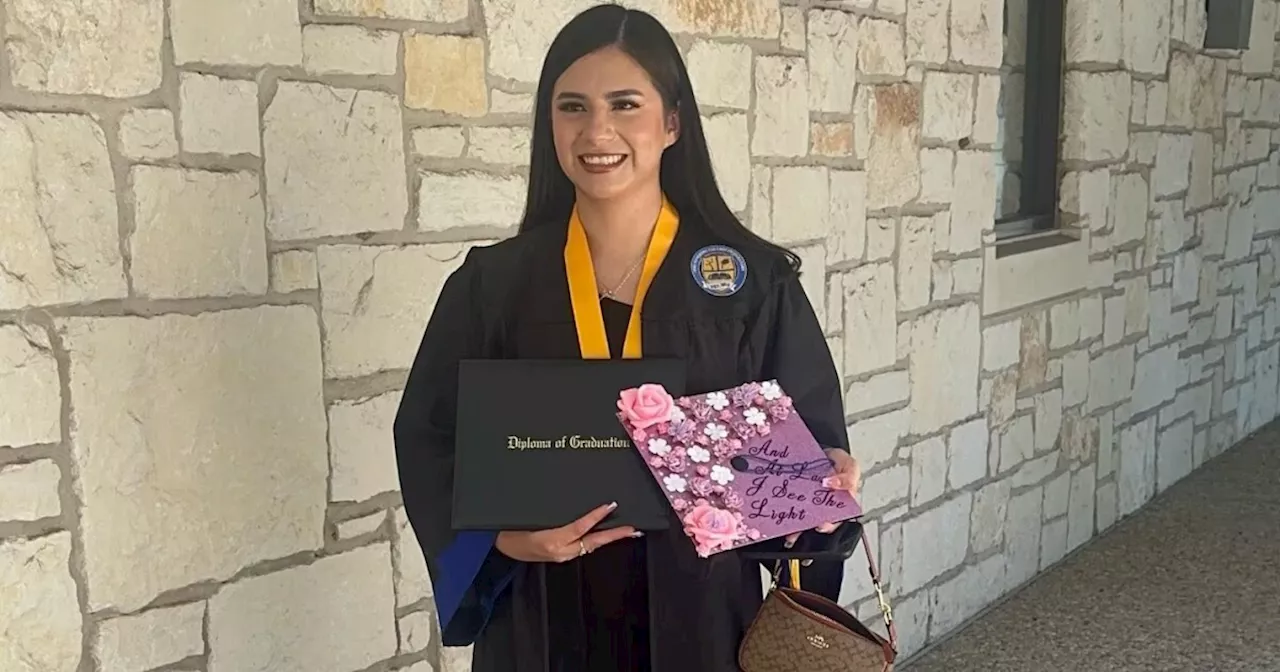
A federal court order to repatriate Any López Belloza, a college student wrongfully deported, faces significant challenges from the U.S. government. The Trump administration acknowledged that López Belloza’s deportation earlier this month was a mistake, yet federal attorneys are now asserting that the Massachusetts federal court lacks jurisdiction over her case. This legal tussle complicates her potential return to the United States, where she is enrolled at Babson College near Boston.
López Belloza was detained when attempting to board a flight to Austin, Texas, for Thanksgiving after being informed that she had been ordered to return to her native Honduras in 2015. Her attorney, Todd Pomerleau, claims that federal agents have contacted López Belloza via WhatsApp regarding a flight back to the U.S., but without any assurances against immediate deportation upon her arrival. Pomerleau described this situation as a “charade” designed to separate López Belloza from her family once more.
In a recent statement, López Belloza expressed her frustration over the stalled proceedings, stating, “No one should have to feel this powerless.” She emphasized her desire for honesty and fairness, highlighting her ongoing struggle to secure her place in the U.S. with a pending green card application.
The legal issues surrounding López Belloza’s case are complex. Pomerleau argues that her deportation violated a judge’s order to keep her in the U.S. until her legal matters were resolved. This past month, federal attorneys acknowledged the deportation error, and a judge ordered the Trump administration to develop a plan for her return by November 10, 2023. However, in a filing just before this deadline, government lawyers stated they would not comply with the court’s directive and asserted that the court had no standing in the matter.
Congressman Greg Casar of Austin condemned the government’s refusal to adhere to the court’s order, calling it “outrageous.” He stated, “We cannot let America become a country where the government can ignore judges’ orders, and then refuse to make things right when it makes a mistake.” Casar has called for López Belloza to be allowed to return to Boston immediately to continue her studies.
Pomerleau indicated plans to respond to the federal government’s recent motion and is prepared to litigate the case in Boston or “any courtroom in America.” He criticized the government’s lack of transparency and accountability, insisting, “You say you’re sorry, you make it right. You don’t say you’re sorry and continue to torment people.”
As López Belloza awaits resolution, her situation underscores broader issues regarding immigration enforcement and the rights of individuals within the U.S. legal system. With significant public interest and legal implications at stake, the developments in this case are likely to attract ongoing attention.