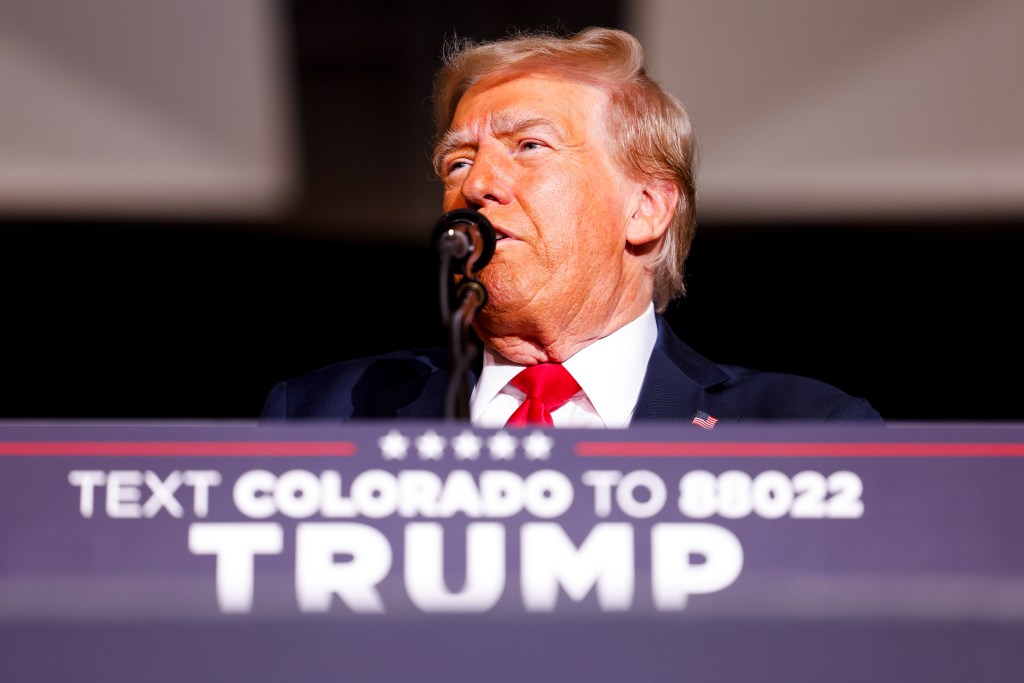
The annual World Economic Forum in Davos is witnessing a notable shift as China emerges as a prominent figure in global trade discussions. Amid escalating tensions between the United States and Europe, particularly with President Donald Trump‘s recent threats to impose tariffs and pursue territorial claims over Greenland, China is positioning itself as a stable trade superpower.
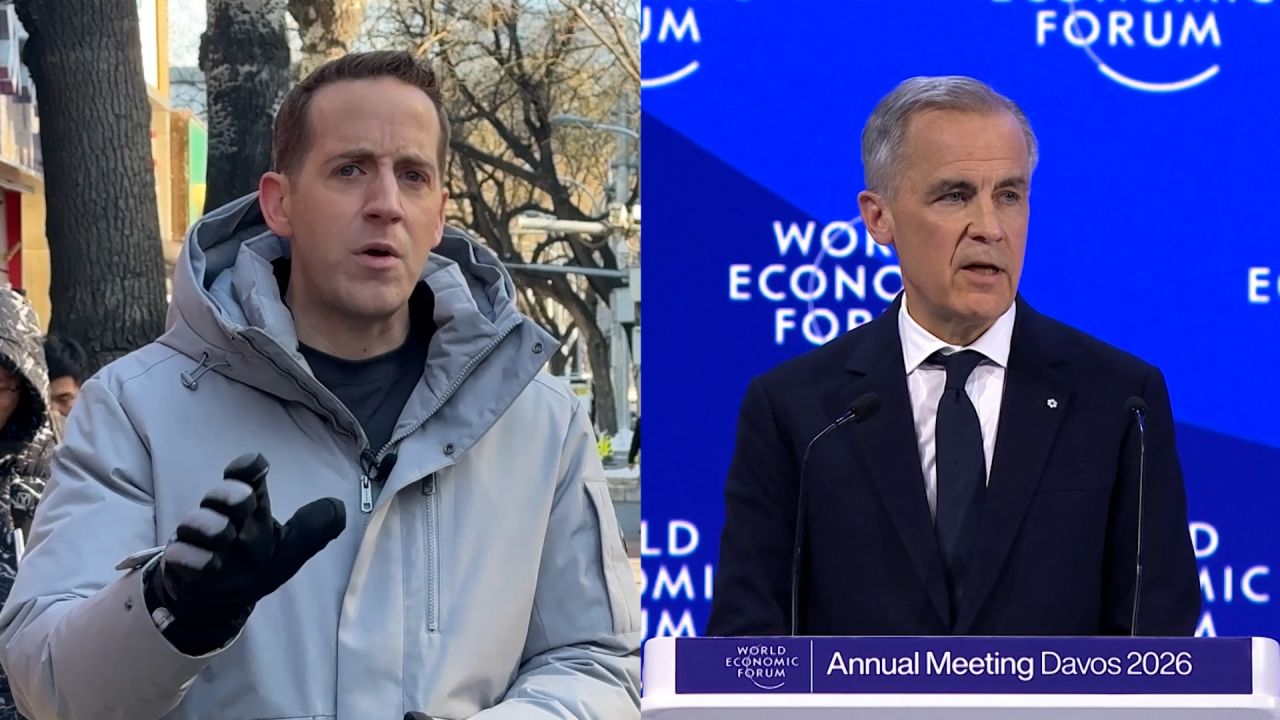
This year’s summit, taking place from January 16 to January 20, 2024, has attracted attention from leaders worldwide who are keen to explore China’s economic offerings. According to CNN reporter Mike Valerio, more Western leaders are beginning to heed China’s proposals, viewing them as a potential counterbalance to the unpredictability of U.S. trade policies.
China’s Strategic Messaging
China’s strategy at Davos involves portraying itself as a reliable partner in an era of shifting alliances. This narrative is particularly appealing to nations feeling the pressure from U.S. tariffs and trade restrictions. By promoting its own economic stability and growth, China aims to attract foreign investment and strengthen its position on the global stage.
The Chinese delegation has been vocal about its commitment to free trade and global cooperation. Notably, President Xi Jinping is expected to emphasize China’s role in fostering international economic ties during his address at the summit. His message will likely resonate with countries concerned about the implications of Trump’s administration’s policies.
The backdrop of the Davos Summit makes this an opportune moment for China. As many countries grapple with the consequences of U.S. trade actions, the allure of Chinese investment and market access grows. With a reported GDP growth rate of around 5.5% for 2024, China presents itself as a beacon of stability in a tumultuous economic landscape.
Global Reactions and Future Implications
The shifting dynamics are drawing varied responses from global leaders. Some view China’s assertiveness as a necessary counterweight to U.S. unilateralism, while others remain cautious about the implications of deepening economic ties with Beijing. Concerns about human rights and transparency persist, creating a complex landscape for discussions.
As the summit progresses, the focus will likely remain on how China can leverage its position to influence global economic policies. The discussions at Davos could set the tone for international trade relations moving forward, especially as Western leaders assess their strategies in light of the changing geopolitical landscape.
The narrative emerging from Davos underscores a significant moment in international relations. With China stepping into the role of trade stabilizer, the implications for global economics and diplomatic relations could be profound, shaping the interactions of nations for years to come.