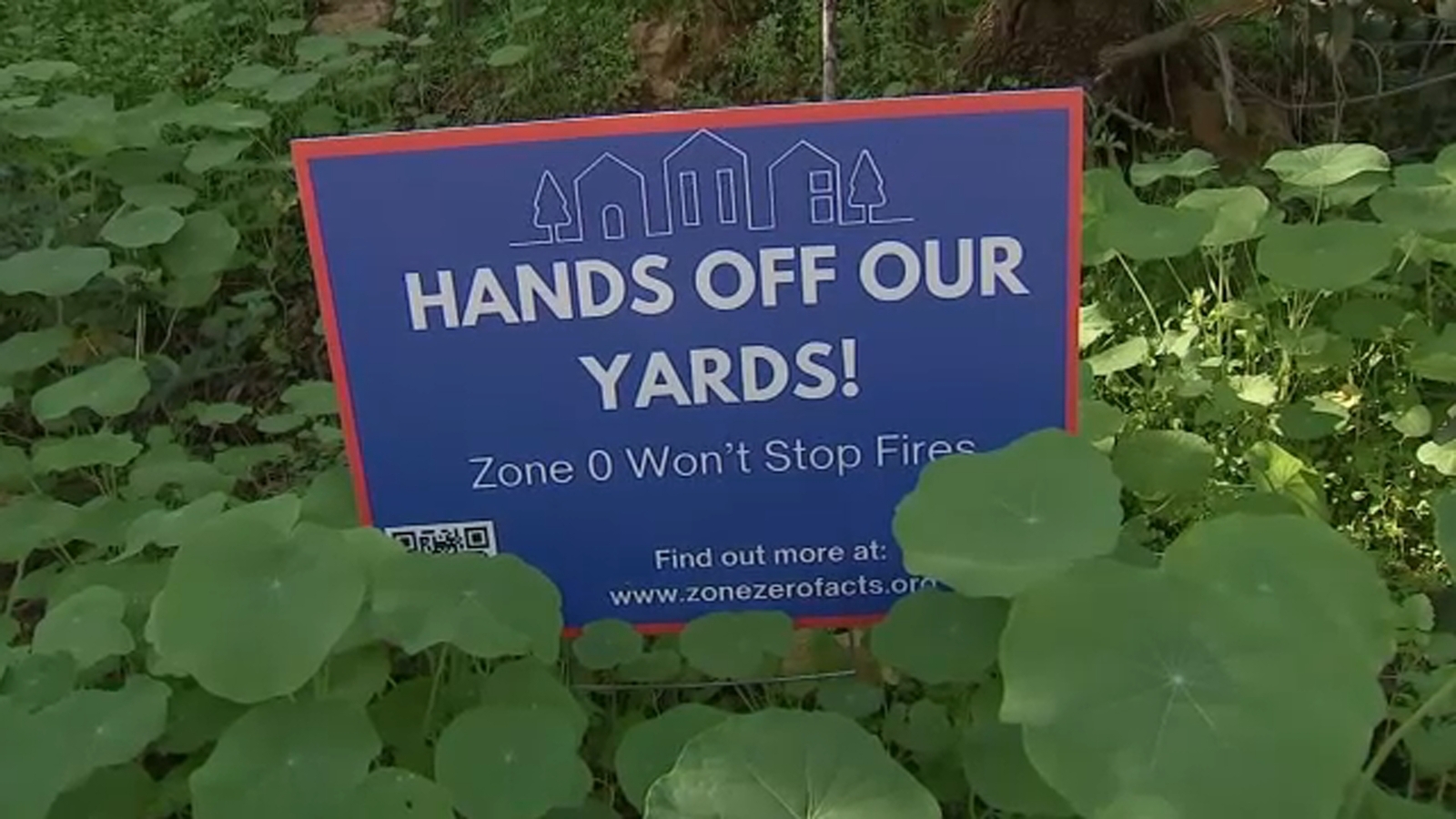
California is taking significant steps to mitigate the risk of wildfires by proposing the new Zone Zero landscaping law, which aims to establish plant-free zones around homes in high-risk fire areas. This initiative follows the devastating wildfires of January 2023, which prompted a renewed focus on fire safety regulations. However, many residents, particularly in Los Angeles, have voiced strong opposition to the proposed regulations, citing concerns about the costs and practicality of implementing such changes.
Under the Zone Zero proposal, the area closest to a home’s perimeter—extending from zero to five feet—will be designated as a defensible zone. The intention is to create an ember-resistant area that can help prevent fires from spreading. Critics argue that the law does not account for the diverse conditions across various neighborhoods. As Thelma Waxman, a resident of Brentwood, stated, “I live in an urban, dense neighborhood, and they’re applying rural wildfire zone regulations to me.” She emphasized that fire risks in urban settings differ significantly from those in rural areas, suggesting that the regulations may not be suitable for all residents.
The draft regulations call for the removal of combustible materials adjacent to structures, as well as the clearing of dead leaves and flammable plants from yards, roofs, and gutters. Additionally, homeowners would need to maintain a minimum distance of ten feet between overhanging branches and chimneys, as well as ensure adequate space between trees and shrubs. Some residents feel that such sweeping measures are excessive and fail to consider the ecological impact. Yael Pardess, who has lived in Mount Washington for nearly thirty years, expressed her concern, stating, “These rules are so contra to our lives here, to our environment, to our birds, to the heat, to the shade.”
The urgency of the Zone Zero initiative is underscored by comments from Wade Crowfoot, California’s Natural Resources Secretary. He pointed to the tragic events of the January wildfires, which showcased the dangers of urban conflagration, where fires spread rapidly from home to home due to combustible materials. Crowfoot stated, “Given just how intense that urban risk is, that was really on display with the LA wildfires—How do we get Zone Zero?”
Public engagement with the California Board of Forestry has been significant, reflecting widespread interest in the proposed regulations. The final version of the Zone Zero law is expected to be released in Spring 2024, and once approved, homeowners will have three years to comply. Enforcement of the new rules will focus on education and outreach, allowing local jurisdictions the flexibility to adopt additional measures as needed.
Amidst the debate, California State Senator Ben Allen, who represents West Los Angeles, acknowledged the challenge of creating policies that balance fire risk reduction with respect for property rights. He remarked, “The challenge for us in government is how do we come up with a policy that is as least restrictive as possible while also taking the steps necessary to dramatically reduce fire risk?”
The insurance industry has expressed strong support for the regulations, reinforcing the argument that stricter landscaping requirements are essential for reducing fire hazards. Critics like Waxman have raised concerns over the influence of insurance companies on policymaking, questioning whose interests are truly being prioritized. She stated, “So who do they listen to? The scientists at UCLA, who advise me, or the insurance company that is holding California hostage?”
The new Zone Zero regulations are projected to affect approximately 2 million structures, accounting for about 17% of all structures in California. While proponents argue that the initiative could enhance fire safety, opponents maintain that compliance with these regulations does not guarantee insurance coverage. As the discussion continues, the impact of the Zone Zero law on residents’ lives and the environment remains a crucial concern for many Angelenos.