California will offer free admission to over 200 state parks on January 15, 2024, in a move that directly counters recent changes made by the Trump administration regarding national park access on federal holidays. This announcement, made by Governor Gavin Newsom during a press conference in San Francisco, aims to honor the legacy of Martin Luther King Jr. on a day that celebrates his contributions to civil rights.
The governor emphasized that private funding from the California State Parks Foundation, a nonprofit organization dedicated to park advocacy, enabled the state to waive vehicle entry fees for this holiday. Vehicles with a capacity of up to nine passengers will be permitted free entry into participating parks on MLK Day, providing an opportunity for families and individuals to enjoy the natural beauty of California’s state parks. A comprehensive list of these parks is available on the California State Parks’ website.
While the state parks initiative offers respite from fees, some locations may still charge for specific activities. Parks that feature off-highway vehicle areas, per-person entry fees, or guided tours—such as Hearst Castle—will maintain their standard pricing.
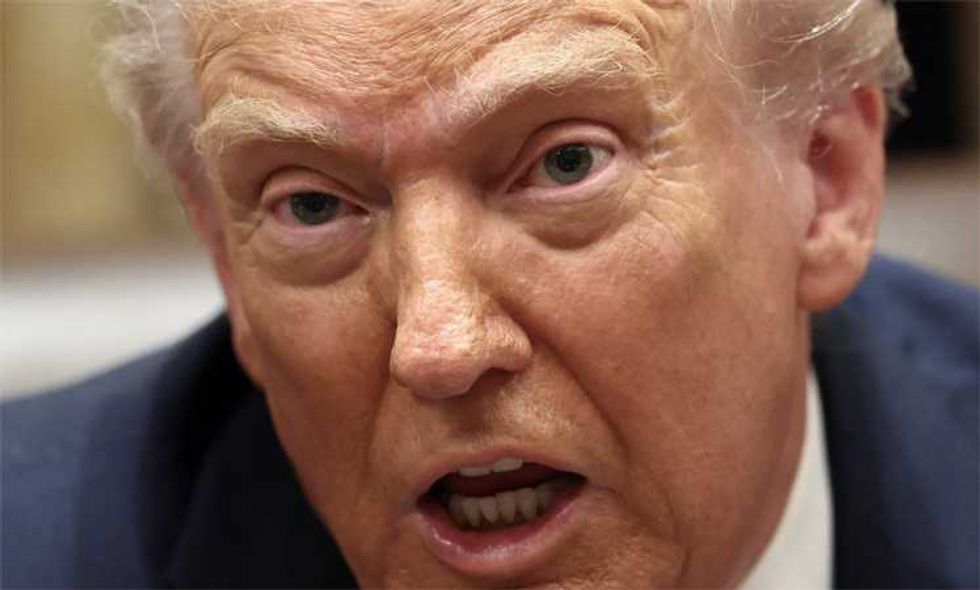
The decision to offer free access comes after the Trump administration cut free admission to national parks on both MLK Day and Juneteenth, which commemorates the end of slavery in the United States. Instead, Trump’s birthday, which falls on June 14, has been added to the list of free entry days for 2026. Governor Newsom criticized this change, stating, “MLK Day [has] now been shifted to Trump Day. Again, what more evidence do we need on what the hell is going on in the United States of America?”
The NAACP has also condemned the removal of these holidays from the list of free entry days, arguing that it diminishes Black resilience and erases significant elements of Black history. This sentiment echoes broader concerns regarding the administration’s treatment of national parks and their historical narratives.
In recent months, the Trump administration has faced scrutiny over various actions affecting national parks. For instance, a new park pass featuring Trump’s image prompted a lawsuit from an environmental nonprofit, which argues that this portrayal is illegal. The Department of the Interior has warned that altering the pass by covering Trump’s image could invalidate it. Furthermore, in May, the administration directed park officials to remove signs that depict the country’s history in a negative light, further igniting controversy.
As California prepares to welcome visitors to its parks on MLK Day, the state’s actions reflect a commitment to preserving and honoring the legacy of civil rights while providing accessible recreational opportunities for all.