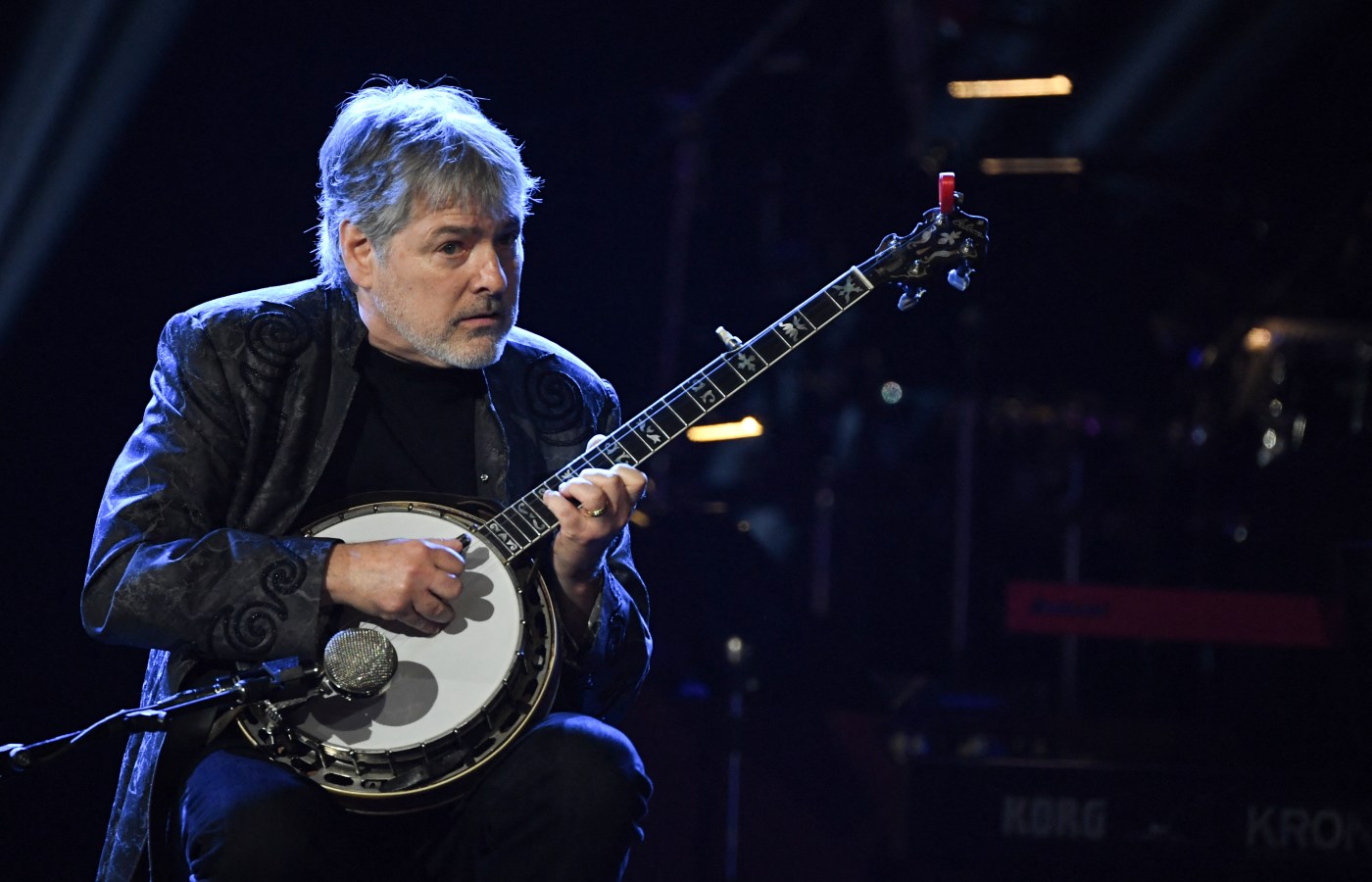
Béla Fleck, a multi-Grammy-winning banjo player, has canceled his upcoming performances at the John F. Kennedy Center for the Performing Arts. This decision follows the recent addition of former President Donald Trump’s name to the venue, causing significant uproar among artists and audiences alike. Fleck stated that the situation had become “charged and political,” diverging from the center’s traditional focus on music.
In a statement released on Tuesday, Fleck announced he would withdraw from three scheduled shows with the National Symphony Orchestra next month. He expressed hope for future collaborations under different circumstances, emphasizing the need for art to remain apolitical.
Richard Grenell, the interim president of the Kennedy Center and a known supporter of Trump, responded to Fleck’s cancellation with strong words on social media platform X. Grenell claimed that the center believes in inclusivity for all, stating, “The Trump Kennedy Center believes all people are welcome — Democrats and Republicans and people uninterested in politics.” His comments reflect a broader debate about the role of political influence in cultural institutions.
Impact of Political Changes on the Arts
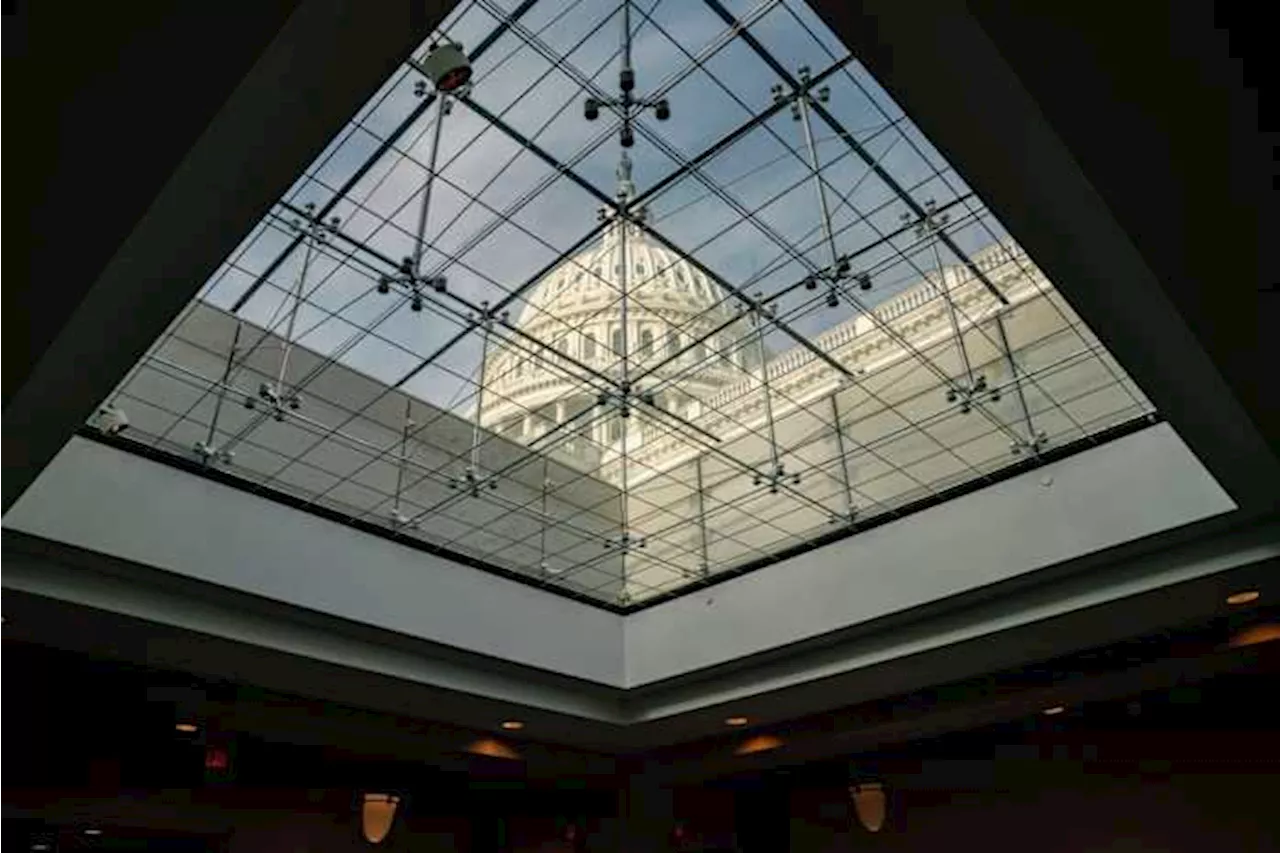
The Kennedy Center has faced a wave of artist withdrawals since Trump appointed his own supporters to its board in February 2025, positioning himself as chairman. This restructuring was part of Trump’s efforts to eliminate what he termed “woke” programming from the institution. The backlash intensified last month when Trump’s name was added to the exterior of the building, which serves as a “living memorial” to President John F. Kennedy following his assassination in 1963.
The cancellations have not been limited to Fleck. Renowned jazz drummer Chuck Redd announced he would not perform his traditional Christmas Eve show at the venue, a performance he has held for nearly 20 years. Other artists who have pulled out include New York City-based acts such as the Asian AF comedy troupe, jazz musician Wayne Tucker and his band, The Bad Mothas, as well as the dance company Doug Varone and Dancers.
Industry Reactions and Future Prospects
Stephen Schwartz, the Oscar-winning composer known for works like “Wicked” and “Pippin,” has also joined the boycott. He stated there was “no way” he would “set foot” in the Kennedy Center, as he believes it no longer represents the “apolitical place for free artistic expression” it was intended to be.
The current situation presents a critical crossroads for the Kennedy Center, as it grapples with maintaining its artistic integrity amid growing political pressures. As the debate continues, it remains unclear how this wave of cancellations will affect the center’s programming and reputation moving forward. The cultural landscape may be forever altered by these developments, challenging the balance between artistry and political affiliation in public institutions.