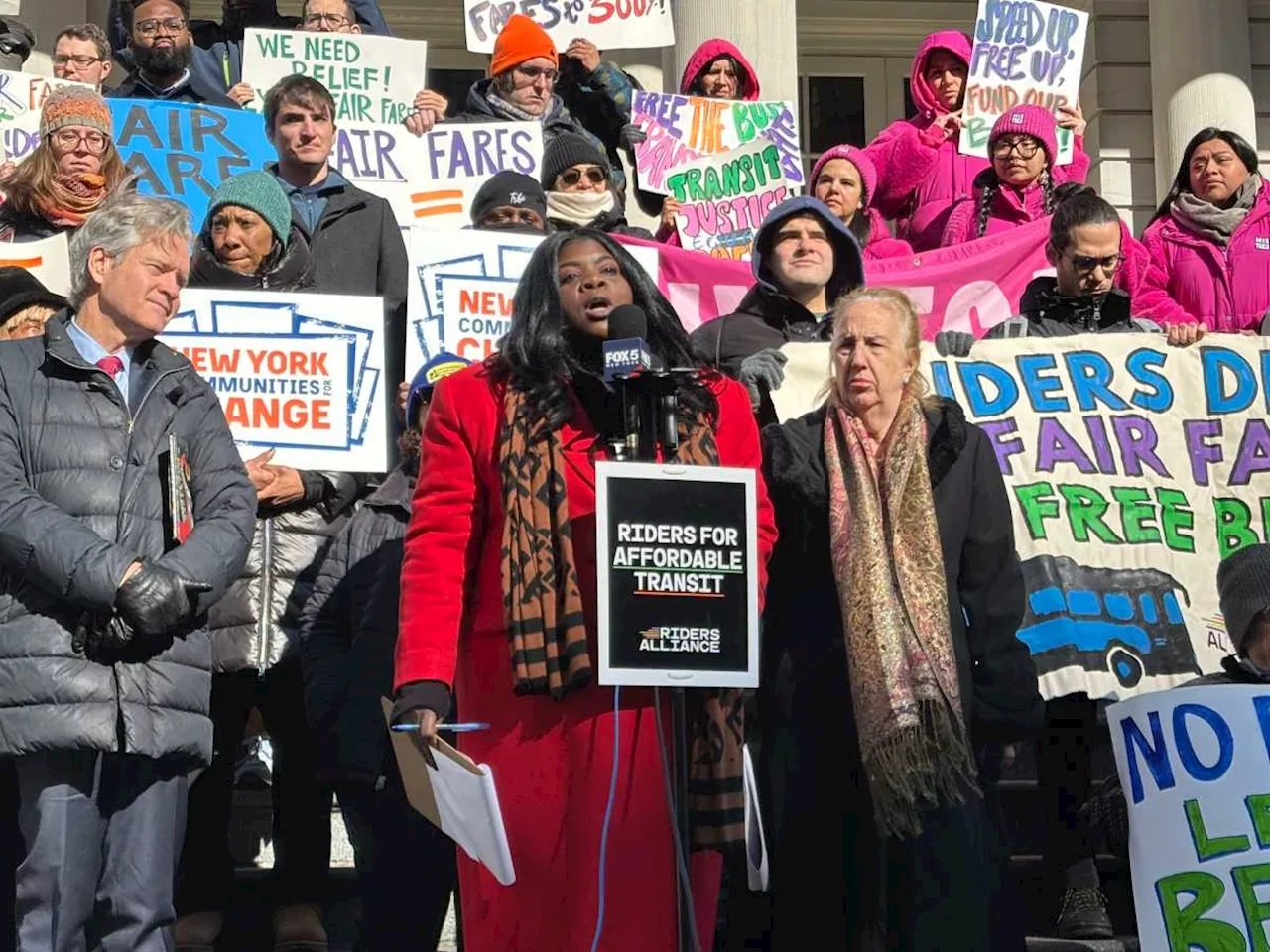
A newly formed coalition gathered at New York City Hall on February 4, 2026, to demand that Mayor Zohran Mamdani take swift action to enhance public transit affordability and accessibility. The group, named the Riders for Affordable Transit, rallied on “Transit Equity Day,” a day commemorating the birthday of civil rights leader Rosa Parks. Their primary focus was to expand the city’s existing Fair Fares program, which currently offers reduced fares to low-income riders.
During the rally, advocates presented three core requests to city officials. They emphasized the necessity for reliable transit, improved access for individuals with disabilities, and financial relief for struggling New Yorkers. Danna Dennis, a senior organizer with the Riders Alliance, highlighted the pressing need for greater accessibility, stating, “We need more elevators, more ramps. And when we talk about access, we’re talking about money, because a lot of us New Yorkers are struggling.”
The coalition, which includes organizations such as Vocal New York and the Community Service Society, aims to build momentum for expanding the Fair Fares program. Currently, the program provides half-fare benefits to riders earning up to 100% of the federal poverty level. Advocates are pushing for a revised program that would offer free rides to individuals earning up to 150% of this threshold and half-fare benefits to those making between 150% and 300%.
Kara Gurl, planning and advocacy manager at the Permanent Citizens Advisory Council to the MTA, noted that increasing eligibility to 300% of the federal poverty level could potentially double the number of participants to approximately 2 million. “Right now, far too few riders are enrolled,” Gurl said, underscoring the need for broader access.
While previous administrations, including that of former Mayor Eric Adams, have made efforts to expand Fair Fares, advocates argue that these measures have not gone far enough. The coalition is also advocating for automatic enrollment for New Yorkers receiving other public benefits, such as the Supplemental Nutrition Assistance Program. Vocal New York Chair Reginald Thomas Brown stated, “When eligible, they need to be automatically enrolled, instead of having to find out on their own.”
In response to the coalition’s demands, a spokesperson for Mayor Mamdani, Sam Raskin, confirmed that the administration is currently reviewing the proposals. “The Mayor shares the advocates’ goals of making public transit fast, reliable, and affordable,” Raskin stated. However, he also noted the challenges posed by addressing a budget shortfall of $12 billion, which has impacted the city’s ability to fund essential services.
As discussions continue, the Riders for Affordable Transit coalition remains committed to advocating for a more equitable public transit system, one that prioritizes the needs of New Yorkers facing economic hardship. Their campaign aims not only to enhance accessibility but also to ensure that public transportation remains a viable option for all city residents.